Essential Tips for Choosing the Right Water Pump for Your Needs

When it comes to choosing the right water pump for your specific needs, understanding the nuances of water pump water is essential. Water pumps are critical devices that facilitate the movement of water for various applications, ranging from residential tasks such as irrigation and drainage to commercial uses including industrial processing. With an array of options available in the market, selecting the right pump requires careful consideration of several factors such as flow rate, pressure, and the type of water being pumped.

In this guide, we will explore key tips to help you navigate the complexities of water pump selection. Whether you're looking for a pump for garden irrigation or a more demanding industrial application, knowing your requirements and the features of different pump types will empower you to make an informed decision. Understanding these essential elements will not only enhance your efficiency but also ensure the longevity and reliability of the service you expect from your water pump water.
Essential Tips for Choosing the Right Water Pump for Your Needs

Understanding the Different Types of Water Pumps Available

Essential Tips for Choosing the Right Water Pump for Your Needs

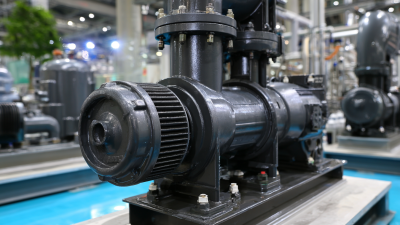
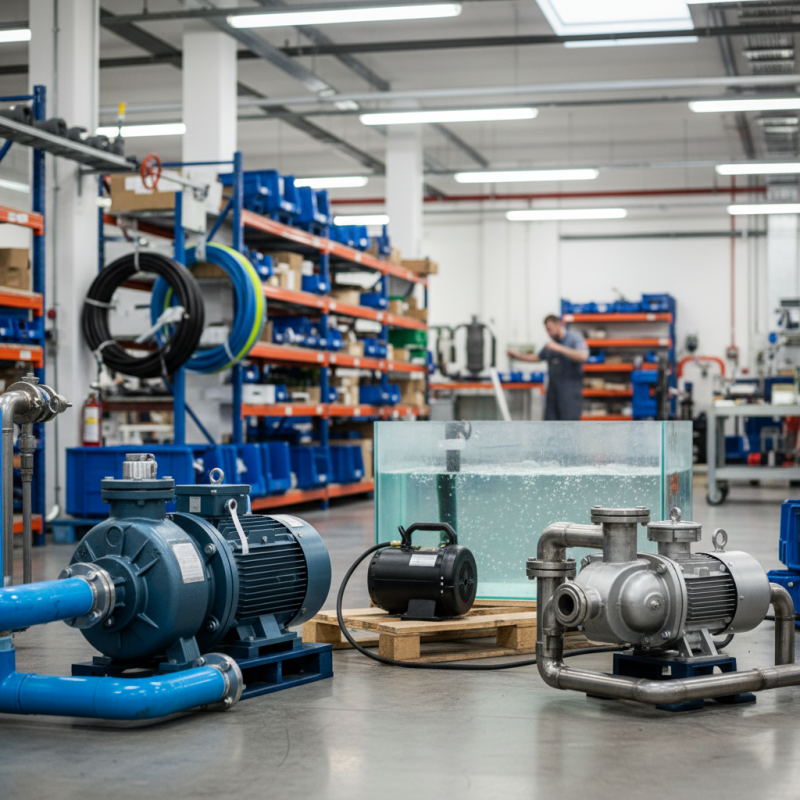
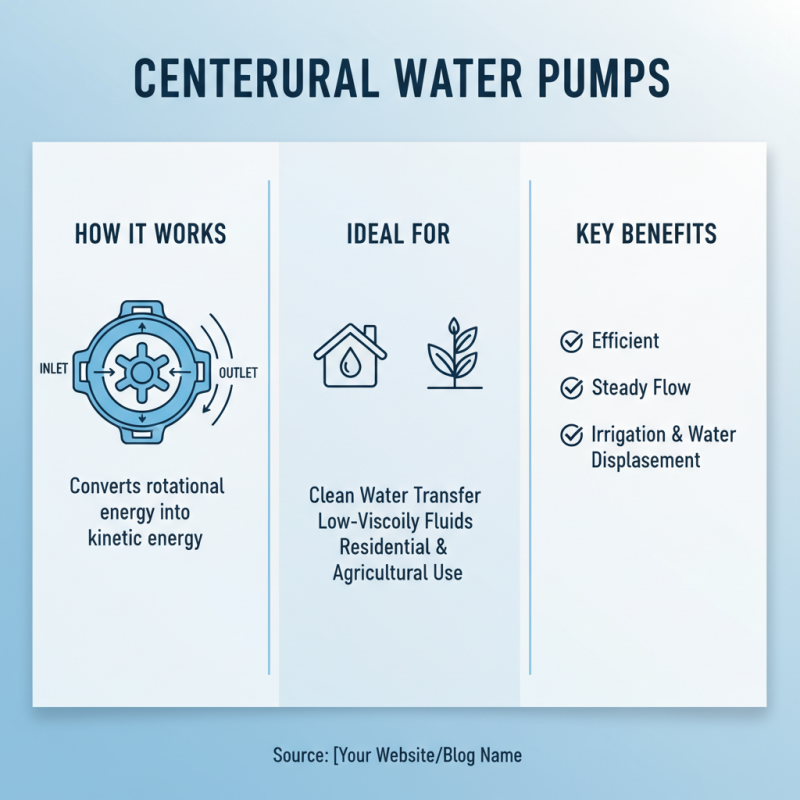
When selecting the right water pump, it's crucial to understand the various types available, as each serves specific applications. Centrifugal pumps are among the most commonly used types and are ideal for transferring clean water or low-viscosity fluids. They operate by converting rotational energy into kinetic energy, making them effective for both residential and agricultural uses. These pumps are efficient and offer a steady flow, making them a go-to choice for irrigation systems and general water displacement tasks.

On the other hand, submersible pumps are designed to be submerged underwater, making them perfect for pumping out flooded basements or deep wells. They can handle a mixture of solids and liquids, which means they are often used in sewage systems or in construction sites for dewatering. Unlike centrifugal pumps, submersible pumps are more versatile in handling challenging environments due to their sealed design, which protects the motor from water damage. Understanding how these varied types function and their specific applications can significantly aid in making an informed decision tailored to your particular needs.
Key Factors to Consider When Selecting a Water Pump

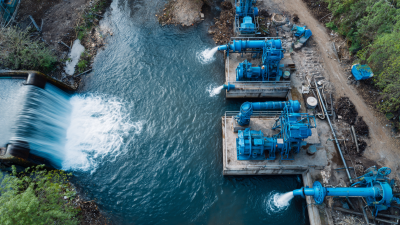
When selecting the right water pump for your needs, it is crucial to consider several key factors to ensure optimal performance and efficiency. First, determine the specific application for which the pump is required. This could range from irrigation in agriculture to water supply in residential settings. According to a report by the American Society of Agricultural and Biological Engineers, water pumps can vary significantly in flow rate and pressure, making it essential to match the pump's specifications to the intended use. For instance, agricultural pumps typically require higher flow rates to effectively irrigate large areas, often needing capacities greater than 1,000 gallons per minute.

Another critical factor is the source of the water and its characteristics. Understanding whether the water is coming from a clean source, such as a municipal supply, or a more challenging one, such as a well or a pond, can influence your choice. A survey by the National Ground Water Association suggests that sediment and debris in water can affect pump longevity and performance, emphasizing the need for filtration systems or specialized pumps designed for dirty water. Additionally, considering elements like the distance the water must travel and elevation changes will influence the horsepower needed to ensure efficient operation. Overall, thorough research and analysis of your specific needs will lead to an informed decision when selecting the right water pump.

Assessing Your Water Flow and Pressure Requirements

When selecting the right water pump, one of the crucial factors to consider is your specific water flow and pressure requirements. According to the Hydraulic Institute, the optimal flow rate for most household applications ranges between 3 to 10 gallons per minute (GPM). To determine your needs accurately, assess the number of outlets that will be used simultaneously. For instance, if you plan to run a washing machine, dishwasher, and an outdoor sprinkler system all at once, you may require a pump that can accommodate a higher flow rate to maintain adequate pressure without compromising performance.

Additionally, understanding the pressure requirements is equally vital. The typical residential water pressure is around 40 to 60 pounds per square inch (PSI). Pumps designed for higher pressures are essential for situations such as irrigation systems or multi-story buildings where gravity alone doesn't suffice. The American Society of Mechanical Engineers (ASME) states that for effective irrigation, pressure should ideally be maintained between 10 to 30 PSI, depending on the type of sprinklers or drip systems employed. Therefore, accurately calculating both your flow and pressure needs will guide you in selecting a pump that not only meets but enhances your overall water delivery system efficiency.

Essential Tips for Choosing the Right Water Pump for Your Needs - Assessing Your Water Flow and Pressure Requirements

Pump Type Max Flow Rate (GPM) Max Pressure (PSI) Power Source Typical Applications
Submersible Pump 15 50 Electric Draining, Sewage
Centrifugal Pump 20 75 Electric or Diesel Irrigation, Water Supply
Diaphragm Pump 10 30 Air or Electric Liquid Transfer, Chemical Handling
Gear Pump 8 60 Electric or Mechanical Viscous Fluids, Oil Transfer
Positive Displacement Pump 5 90 Electric, Hydraulic High Viscosity, Metering Applications

Evaluating Energy Efficiency and Operating Costs

When selecting a water pump, evaluating energy efficiency and operating costs is crucial for ensuring a wise investment. Energy efficiency measures how effectively the pump converts electrical energy into hydraulic energy. A more efficient pump can significantly reduce electricity consumption, leading to lower utility bills over time. It is essential to look for pumps that have high efficiency ratings, indicated by their pump curves, which illustrate the relationship between flow rate and energy use.

Operating costs extend beyond just energy consumption; they also encompass maintenance, repair, and the lifespan of the pump. A pump that requires frequent maintenance can quickly become an expensive liability. Therefore, it’s advisable to consider models that are designed for durability and ease of service. Additionally, calculating the total cost of ownership—including installation costs and potential upgrades—can provide a clearer picture of the overall financial commitment. By prioritizing both energy efficiency and long-term operating costs, you can choose a water pump that not only meets your immediate needs but also offers sustainable performance over the years.

Installation and Maintenance Tips for Water Pumps

Essential Tips for Choosing the Right Water Pump for Your Needs

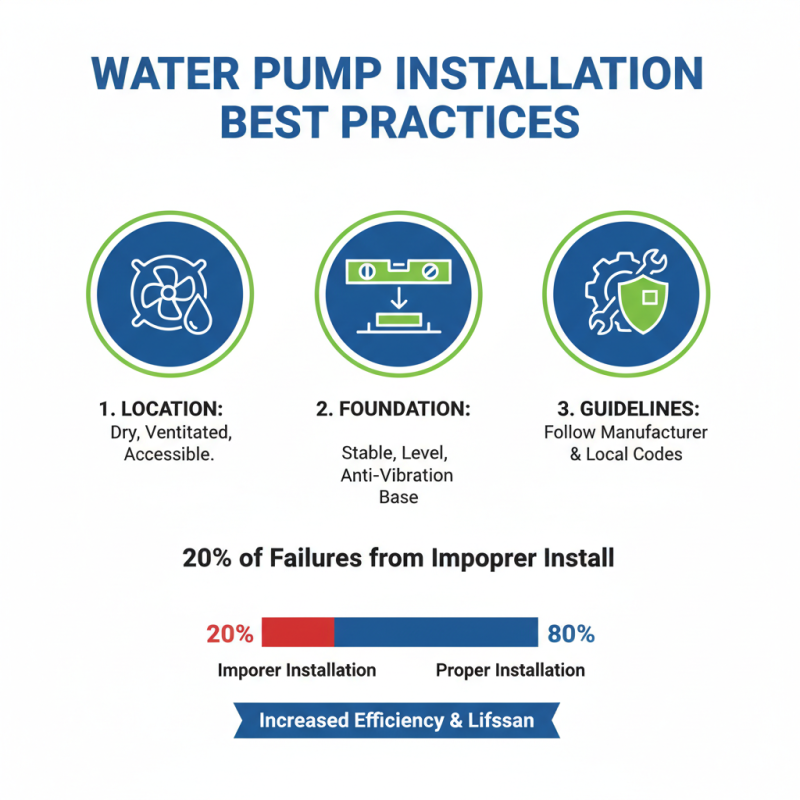
When installing a water pump, proper attention to detail can significantly enhance its efficiency and lifespan. First and foremost, ensure that you select a location that is dry, well-ventilated, and easily accessible for future maintenance. The foundation should be stable, level, and capable of supporting the pump's weight, which prevents vibrations that can lead to mechanical failures. According to a report by the Pump Manufacturers Association, nearly 20% of pump failures can be traced back to improper installation practices. This underscores the importance of following manufacturer guidelines and local codes during installation to mitigate risks.

Maintenance is equally crucial in prolonging the life of your water pump. A regular inspection schedule, ideally every six months, can help identify potential issues before they become serious problems. Key areas to focus on include checking the pump's seals for leaks, monitoring the bearings for wear, and ensuring that the filters are clean and unobstructed. A study published in the Journal of Water Resources suggests that implementing a consistent maintenance schedule can reduce operational costs by as much as 15%, significantly improving resource efficiency. Keeping detailed records of these maintenance activities can also aid in troubleshooting and facilitate smoother operations over time.

Our dedicated sales and support staff are here to help you identify the ideal pump solution for your needs.

Contact Us