2026 Top China Poultry Waste Rendering Plant Solutions?
The poultry industry in China faces significant challenges in waste management. The increasing volume of waste generated necessitates efficient rendering solutions. Experts like Dr. Li Wei, a prominent figure in the field, emphasize, “Effective rendering systems are crucial for sustainability in the poultry sector.”
The China Poultry Waste Rendering Plant industry is evolving rapidly. With advancements in technology, new methods emerge for transforming waste into valuable products. However, many plants struggle to implement these innovations consistently. There is a gap between knowledge and practical application, leading to inefficiencies.
Environmental regulations also add pressure to these operations. Facilities must adapt or face penalties. The journey towards effective waste management is complex. Challenges remain, yet the potential for improvement is vast. Focused solutions can help make the China Poultry Waste Rendering Plant sector more sustainable and profitable.
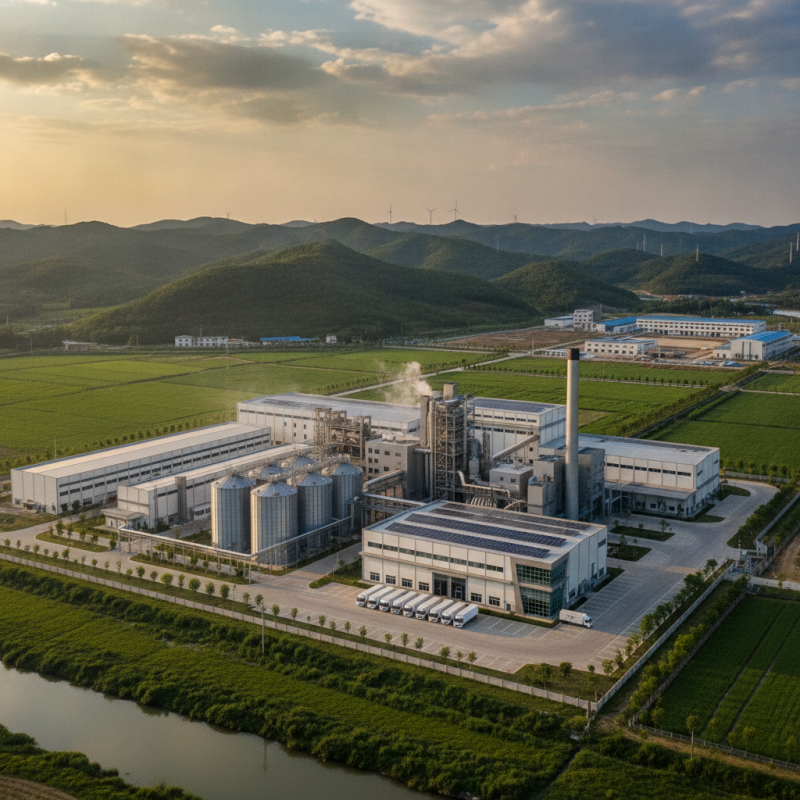
2026 China Poultry Waste Rendering Market Overview and Trends
The poultry waste rendering market in China is evolving rapidly. In 2026, the demand for efficient rendering solutions will be greater than ever. With the increasing output of poultry products, effective waste management becomes critical. The rendering process transforms waste materials into valuable ingredients, aligning with sustainability goals.
Trends indicate a shift towards advanced technologies in rendering plants. Automation and IoT can enhance efficiency and reduce costs. Such innovations promise to manage large volumes of waste while ensuring compliance with environmental regulations. However, the adoption of new technologies may face challenges. Not all facilities can afford the investment, leading to disparities in operational capabilities.
Moreover, the market lacks standardized practices. Variability in rendering processes can affect product quality and safety. This inconsistency raises concerns for stakeholders. Addressing these issues is key for future growth. Focusing on training and knowledge sharing among industry players can help bridge the gap. Investing in research may also unveil better practices for waste management in poultry processing.
2026 China Poultry Waste Rendering Market Overview
Key Technologies in Poultry Waste Rendering for Efficient Processing
Efficient poultry waste rendering is essential for sustainable poultry processing. As the poultry industry expands, proper waste management remains a challenge. Key technologies in rendering processes can greatly enhance efficiency and reduce environmental impact.
One innovative approach involves advanced thermal treatments. These methods break down organic materials into valuable byproducts. Steam and dry rendering techniques are popular. However, they require precise temperature control. Inadequate temperature settings can lead to suboptimal waste conversion. This underlines the importance of rigorous training for operators.
Another vital technology is the integration of enzymatic digestion. This process utilizes specific enzymes to accelerate waste breakdown. While promising, it is not universally applicable. Variables such as waste composition and enzyme effectiveness need careful study. Adopting these advancements can boost productivity but may also present unforeseen challenges, requiring ongoing evaluation and adaptation.
Regulatory Framework Impacting Poultry Rendering Plants in China
The poultry rendering industry in China is evolving under a stringent regulatory framework. Recent data indicates that by 2026, the rendering capacity is expected to improve significantly, driven by environmental regulations. According to a report by the China Animal Agriculture Association, over 70% of rendering plants are now adapting to new emission standards.
Key regulations have been introduced to minimize environmental impacts. For instance, plants must comply with wastewater treatment guidelines and proper waste disposal measures. This leads to increased operational costs. Data shows that plants face up to a 20% hike in investment required to meet compliance.
Tip: Regular training for staff on regulatory updates can aid compliance and promote efficiency.
Challenges persist, as many smaller plants struggle to adapt. Their lack of resources can impede regulatory compliance. A staggering 50% of these facilities may shut down if they fail to meet the new standards.
Tip: Collaborating with experts in environmental management can help navigate these complexities effectively.
Ultimately, the balance between economic viability and adherence to regulations is crucial. This dynamic landscape requires constant adaptation and innovation in the rendering sector.
Economic Analysis of Poultry Waste Utilization and Sustainability
Poultry waste poses significant challenges and opportunities in the meat industry. With rising environmental concerns, effective waste rendering solutions are essential. Utilizing poultry waste can transform it into valuable resources. This process can contribute to sustainability, reducing landfill burden. Therefore, a comprehensive economic analysis of poultry waste utilization is necessary for growth.
Tips: Analyze local regulations on waste management and rendering practices. Understanding these rules can optimize operations.
Many rendering plants face hurdles. Poor technology may lead to inefficiencies. Not all rendering methods produce high-quality end products. This can impact profitability. It’s crucial to invest in innovative technology to enhance processing capabilities.
Tips: Engage with industry experts to assess technological advancements. Their insights can guide sustainable practices.
Moreover, the overall economic benefits of rendering poultry waste need consideration. Properly managed, poultry waste can lower production costs and generate additional revenue streams. However, financial risks exist. Not every strategy guarantees success. Therefore, continuous evaluation and adaptation are vital for sustainable waste management.
Tips: Conduct regular cost-benefit analyses to ensure project viability. This helps in making informed decisions about investments.
Future Directions in Poultry Waste Rendering: Innovations and Challenges
The poultry industry in China generates substantial waste, and effective rendering is crucial for sustainability. Innovations in processing techniques focus on transforming waste into valuable by-products. In recent reports, the poultry waste rendering market is projected to grow at a CAGR of 4.5% from 2023 to 2027, highlighting the demand for advanced rendering solutions.
One major challenge is the complex nature of poultry waste. The composition varies significantly, affecting the efficiency of rendering processes. New technologies, like enzymatic treatments, show promise in breaking down organic matter more effectively. However, these methods require substantial investment and thorough testing to ensure reliability in large-scale operations.
Regulatory frameworks also play a vital role in shaping the future of poultry waste rendering. Stricter environmental regulations are increasingly common, pushing facilities to adopt cleaner technologies. These transitions are often met with resistance due to high initial costs. Continuous research is needed to find cost-effective solutions that align with regulatory requirements while optimizing waste utilization.
2026 Top China Poultry Waste Rendering Plant Solutions
| Technology | Efficiency (%) | Waste Reduction (%) | Energy Consumption (kWh/ton) | Investment Cost (USD) | Operational Challenges |
| High-Temperature Rendering | 95 | 85 | 450 | 500,000 | High energy requirements, odor control |
| Wet Rendering | 90 | 75 | 350 | 400,000 | Cost of water, sludge management |
| Solvent Extraction | 92 | 80 | 600 | 600,000 | High cost of solvents, regulatory issues |
| Enzymatic Rendering | 88 | 70 | 300 | 450,000 | Limited enzyme availability, process control |