
2026 Top Modular Belt Conveyor Trends You Should Know?

The Modular belt conveyor industry is evolving rapidly, with significant trends shaping its future. According to a recent report by MarketsandMarkets, the global modular conveyor market is expected to grow at a CAGR of over 5% between 2021 and 2026. This growth is driven by the increasing demand for automation in various sectors, including food and beverage, pharmaceuticals, and packaging.

The innovations in modular belt conveyor systems focus on flexibility and efficiency. Companies are adopting these systems for their ability to handle diverse products while optimizing space. New designs feature modular components that facilitate easier maintenance and customization. However, businesses must also address challenges such as compatibility with existing systems and integration costs.

As we move toward 2026, understanding the key trends in modular belt conveyors is essential. From advancements in materials to improved energy efficiency, these trends will impact operational capabilities. Investing in the right modular belt conveyor technology is crucial for maintaining a competitive edge in a rapidly changing marketplace.
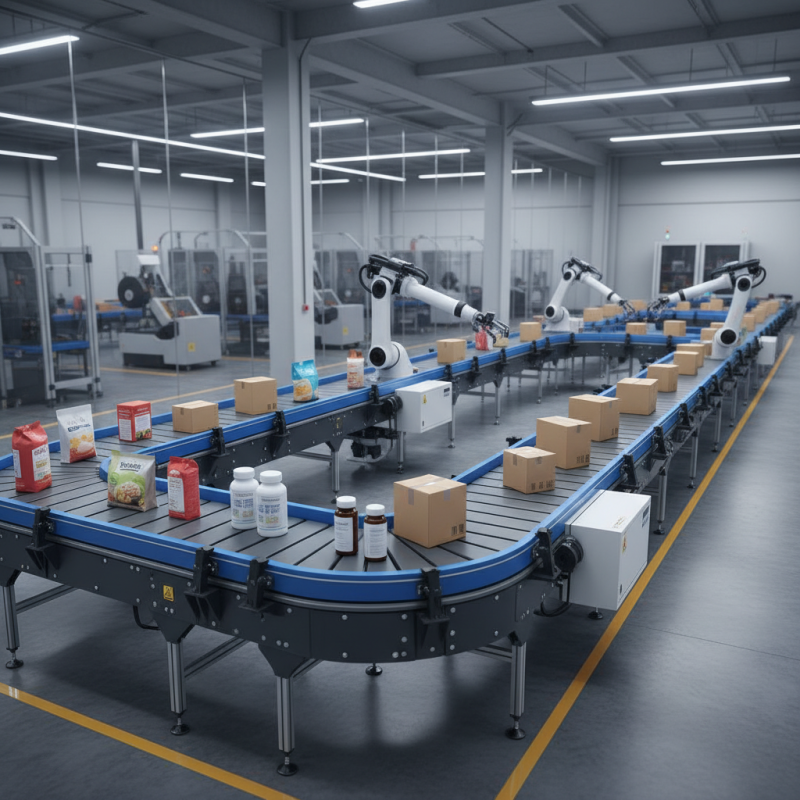
2026 Top Modular Belt Conveyor Trends You Should Know?

Emerging Technologies in Modular Belt Conveyor Systems for 2026

The modular belt conveyor systems are set to undergo significant advancements by 2026. Emerging technologies are reshaping how industries approach material handling. A recent report by the Association for Packaging and Processing Technologies (PMMI) indicates that the modular conveyor market is expected to witness a growth rate of 6.5% annually over the next five years.

Flexible designs remain central to these innovations. Modular belt conveyors will feature enhanced material compositions, improving durability and performance. Advanced sensors and IoT integration are also on the rise, allowing for real-time monitoring and data collection. This technology can lead to increased efficiency and reduced downtime. According to recent studies, businesses that adopt these smart systems often see efficiency gains of up to 30%.

Tip: Assess your current systems. Reflect on how modular conveyors can streamline your operations. Start small by integrating IoT sensors on a few lines.

Moreover, sustainability will play a vital role in the future of modular conveyors. Eco-friendly materials are gaining traction, responding to rising environmental concerns. These systems can also optimize energy consumption, contributing to reduced operational costs. Despite these improvements, some industry experts caution against blindly adopting new technologies without proper analysis. Understanding the specific needs of your business is crucial.

Tip: Conduct a thorough needs assessment. Align technology with your operational goals for optimal results.

Sustainability Trends in Modular Belt Conveyor Design and Materials

Sustainability is becoming a key focus in modular belt conveyor design. Modern systems are increasingly using eco-friendly materials. Reports highlight that over 45% of companies prioritize sustainable sourcing in their supply chains. This shift is not just a trend; it's a necessity in today's environmentally conscious marketplace.

Innovations in recyclable components are critical. For instance, companies are exploring bioplastics that reduce carbon footprints. Transitioning to energy-efficient motors can cut energy consumption by up to 30%. However, many industries still struggle to adopt these technologies fully. The challenge lies in balancing cost and sustainability.

Recycling initiatives within conveyor manufacturing are on the rise. Some manufacturers recycle old belts into new systems. Yet, industry data indicates that only 25% of firms actively engage in recycling efforts. This underlines a disconnect between goals and actions. As sustainability becomes a priority, firms must reflect on their methods. Emphasizing real change can help bridge this gap and support a greener future.

Impact of Automation on Modular Belt Conveyor Efficiency and Performance

The impact of automation on modular belt conveyor efficiency is profound. Integrating automation reduces manual intervention, leading to smoother operations. Automated systems can monitor and adjust speeds in real-time, enhancing productivity. However, over-reliance on automation may lead to unforeseen issues. Regular checks are essential to ensure these systems function correctly.

Tips: Keep an eye on system alerts. Addressing issues promptly can prevent costly downtime. Consider a mix of automated and manual processes. Flexibility in operations can provide a safety net against potential failures.

A significant trend is data integration within conveyor systems. Sensors collect valuable information, enhancing decision-making. Operators can analyze performance metrics, improving maintenance schedules. Nevertheless, excessive data might overwhelm teams. A balance between data usage and practicality is crucial for efficiency.

Tips: Train staff regularly on new technologies. Knowledge can mitigate the risks associated with complex systems. Collaborate with technology experts to maximize your setup’s potential. Adjustments may lead to better long-term outcomes.

2026 Modular Belt Conveyor Efficiency Trends

This chart represents the projected impact of automation on different efficiency metrics for modular belt conveyors in 2026. Automation is expected to significantly enhance production speed and overall efficiency while potentially decreasing maintenance time and operational costs.

Integration of IoT and Smart Features in Modular Belt Conveyors

The integration of IoT and smart features in modular belt conveyors is transforming the industry. These advancements improve efficiency and allow for real-time monitoring of operations. Sensors and smart devices collect data to optimize performance and reduce downtime. With the right setup, issues can be addressed swiftly.

Tips: Monitor conveyor performance data regularly. Look for trends that may indicate wear and tear. Early detection can prevent costly repairs.

Using IoT technology enables predictive maintenance. This approach extends the lifecycle of equipment. It also minimizes interruptions in production. Real-time analytics provide insights that help shape operational strategies.

Tips: Encourage team members to engage with smart systems. Adapt to changes and embrace new technologies for better results. Continual learning can enhance productivity and morale.

However, implementing these technologies is not without challenges. Integration can require significant investment and training. Adaptability can vary among existing staff. These factors need consideration for successful transitions.

Customization and Flexibility: The Future of Modular Belt Conveyor Solutions

As industries evolve, the demand for modular belt conveyor systems increases. Customization and flexibility are at the forefront of this trend. Research shows that 75% of manufacturers are seeking more adaptable solutions to keep pace with changing production needs. Notably, these systems allow for quick modifications, ensuring that businesses can respond to market fluctuations promptly.

The increased focus on modularity means companies can design specific configurations tailored to their operations. This adaptability might result in significant efficiency gains. A study from industry experts indicates that flexible conveyor systems can reduce operational costs by up to 30%. Such savings stem from their ability to rearrange paths and speeds as required, optimizing workflow and minimizing downtime.

However, not all businesses fully utilize these capabilities. Some still rely on outdated systems that can hinder productivity. Investing in customizable conveyor technology is a vital step. But organizations must also periodically assess their needs and adapt accordingly. Failure to do so may lead to missed opportunities in a rapidly changing landscape.

2026 Top Modular Belt Conveyor Trends You Should Know

Trend Description Impact on Industry Customization Options
Increased Automation Integration of AI and IoT for smarter operations. Higher efficiency and productivity in logistics. Advanced control systems and real-time monitoring.
Sustainable Materials Use of recycled and eco-friendly materials in construction. Reduced carbon footprint in manufacturing. Various options for material sourcing based on sustainability goals.
Modular Design Flexible configurations allow for easy adaptation to different tasks. Improved adaptability to changing production needs. Custom module sizes and accessories based on workflow.
Remote Monitoring Real-time data access from remote locations. Enhanced decision-making and quicker response to issues. Customizable dashboards for specific performance metrics.
Enhanced Safety Features Integration of safety sensors and emergency stops. Minimized workplace accidents and improved compliance. Tailored safety protocols based on specific operational risks.

Our dedicated sales and support staff are here to help you identify the ideal pump solution for your needs.

Contact Us