In the world of outdoor equipment, choosing the right pump for pumping out water is crucial. Experts agree on its importance. John Smith, an industry specialist, once said, “Using the right pump can save both time and effort.” His words highlight the necessity for quality and efficiency.
When it comes to water management, not all pumps are created equal. A reliable pump for pumping out water should meet specific needs. Heavy rain or flooding can create urgent situations. In such cases, having the right equipment is imperative. Homeowners often feel overwhelmed when selecting a pump, leading to mistakes in purchasing.
Understanding the features and specifications is essential. The market offers a variety of options. Yet, many buyers overlook efficiency ratings and compatibility. Many think quality comes with a higher price tag, but that's not always true. In the end, considering user reviews and expert advice can make a significant difference. Water management shouldn't be daunting; it requires informed choices.
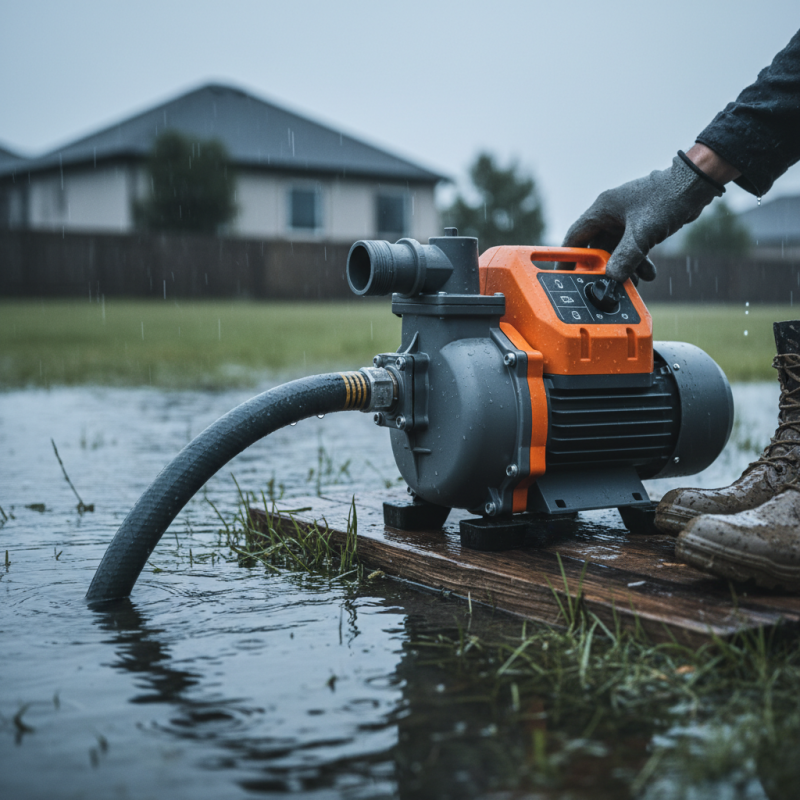
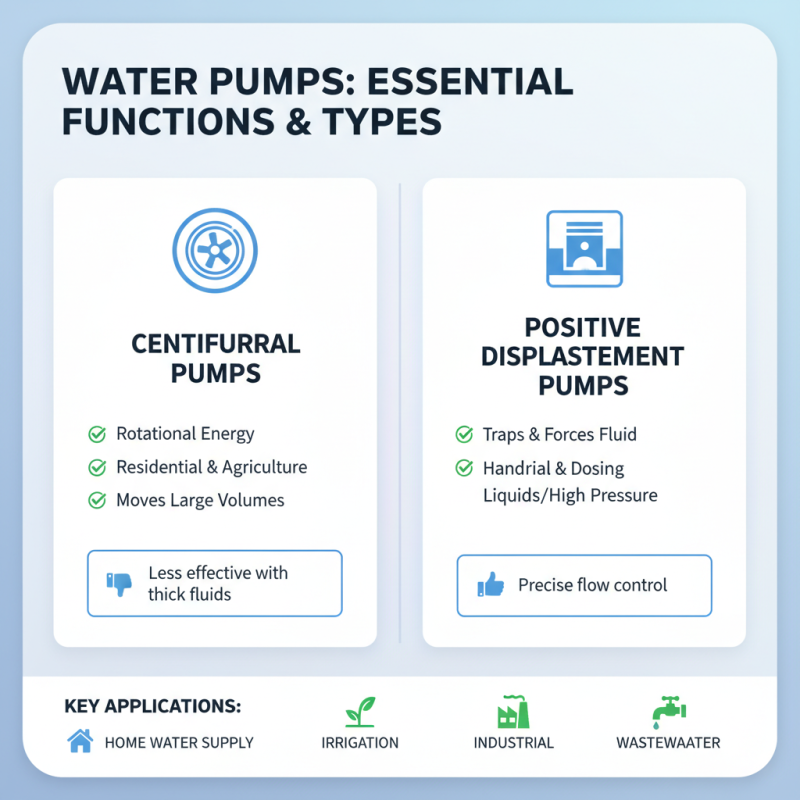
Water pumps serve various essential functions, making them vital in many applications. They can be broadly classified into categories such as centrifugal and positive displacement pumps. Centrifugal pumps rely on rotational energy to move water. They are common in residential and agricultural use. These pumps can handle large volumes of water quickly. However, they may struggle with thicker fluids.
Positive displacement pumps work differently. They trap a fixed amount of water and force it through the discharge pipe. These are ideal for applications requiring precise dosing. They can pump viscous liquids efficiently. Yet, they tend to be more complex and may require more maintenance. It's crucial to choose the right pump type based on your specific needs.
Understanding each pump's functionality is key. Every pump has its strengths and weaknesses. For instance, centrifugal pumps can be more energy-efficient, but they may not perform well in all situations. Meanwhile, positive displacement pumps are reliable but may have higher operating costs. Evaluating these factors can lead to better decisions in selecting the perfect pump for your needs.
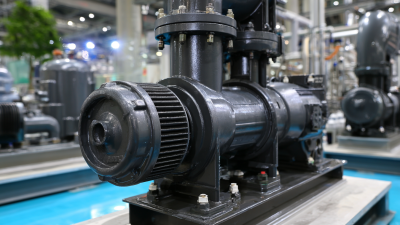
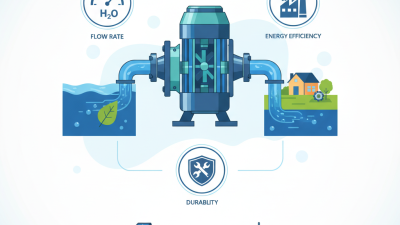
When selecting a water pump, understanding key features is crucial. Flow rate, measured in gallons per minute (GPM), is fundamental. A pump that moves water efficiently can save time and energy. For instance, a recent industry report indicates that pumps with a flow rate of 25 GPM are ideal for most household needs. However, keep in mind this may vary based on your specific situation.
Durability is another essential factor. Look for materials that resist corrosion and wear. The expected lifespan of a quality pump can reach up to 15 years or more. Failure to choose the right material can lead to frequent replacements, which can be costly. In some cases, neglecting the need for maintenance can shorten this lifespan significantly.
Consider the pump's power source as well. Electric pumps are popular for ease of use. However, a gas-powered model might excel in remote locations. Awareness of the energy source can prevent operational hiccups down the line. Moreover, analyzing noise levels is vital, especially for residential areas. An imperfect choice could lead to community complaints and dissatisfaction. Ultimately, careful consideration of these features will enhance your water pumping experience.
When considering water pumps for 2026, it's crucial to understand performance metrics. Look for flow rates that suit your needs. A high flow rate means more water moved in less time. However, some models can be overly powerful, leading to energy waste. Balance is key.
Durability is another essential factor. Some pumps endure harsh conditions better than others. Materials used in construction affect longevity. Corrosion-resistant options may last longer, but they can come at a higher cost. It's wise to weigh lifespan against initial investment.
Noise levels also play a significant role in your choice. Some pumps operate quietly, while others produce disruptive sounds. If quiet operation is important, remember to review specifications carefully. Evaluating how each model performs in various conditions is vital too. Performance can vary, and user experiences indicate unexpected challenges. Test real-world scenarios before committing to a purchase. Keep these insights in mind when selecting a pump for your water needs this coming year.
Maintaining water pumps is crucial for their longevity. Routine checks can prevent major issues. Inspect seals and hoses for wear and tear regularly. You don’t want unexpected leaks to initiate panic. Clean the pump's intake screen periodically to avoid clogs. A dirty screen reduces efficiency and strains the motor.
Ensure that your pump operates in a well-ventilated area. Overheating can shorten its lifespan significantly. For outdoor pumps, protect them from various weather conditions. Use covers during harsh weather, but always allow airflow. Pay attention to the noise level during operation. Unusual sounds often indicate underlying problems needing your attention.
Lastly, keep an eye on the fluid levels. Low levels can lead to pump burnout. Some people forget this simple step. Regular maintenance does not have to be time-consuming. A few minutes each month can save you money and frustration later. Don't overlook these small details; they really matter.
This bar chart displays the pumping capacities of the top five water pumps in 2026. Understanding the capacity of different pumps can help you choose the right one for your needs.
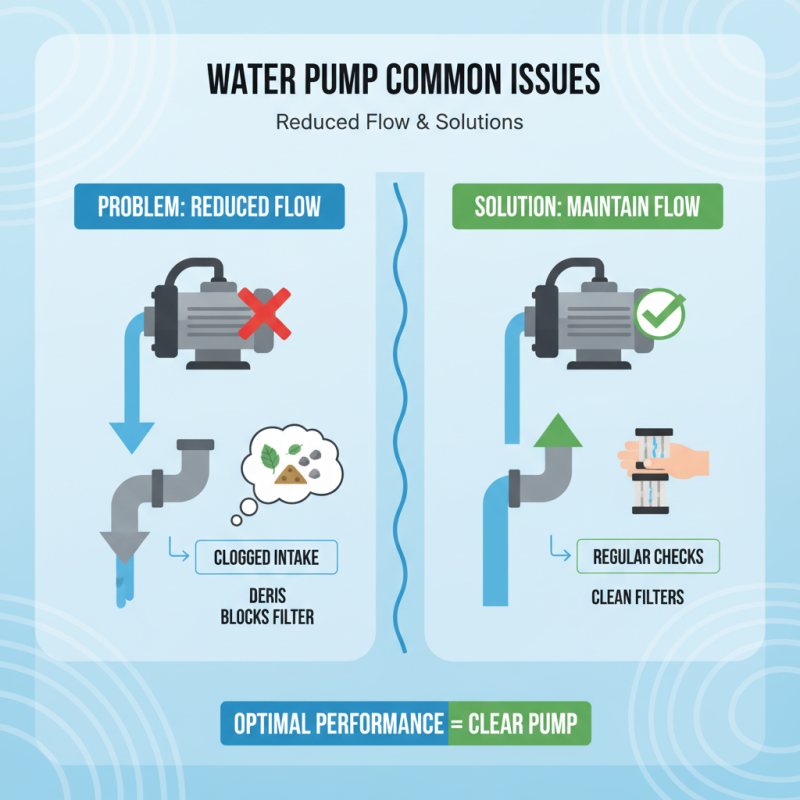
When using water pumps, common issues can arise. One frequent problem is reduced flow rate. This can stem from a clog in the intake. It’s crucial to check for debris regularly. Make sure the filters are clean to maintain optimal performance.
Another issue is the pump not starting. This could be due to electrical faults. Inspect the power source and connections. Sometimes, it's just a blown fuse. Always have a few spares on hand.
Tips: If your pump runs dry, it can cause serious damage. Make sure it’s submerged properly. Regular maintenance checks can save you from bigger headaches later. Remember, the more you understand your pump, the fewer issues you’ll face. Don’t ignore any strange noises. They can indicate deeper problems. Always trust your instincts and act promptly.
We are here to help you with all your queries and concerns, just write to us using the below form and we will get back to you as soon as we can.