
2026 Top Trends in 3 Phase Power Distribution Solutions?

In the ever-evolving landscape of energy management, the importance of 3 Phase Power Distribution cannot be understated. This system, pivotal in various industrial and commercial applications, facilitates a more efficient energy supply. As we approach 2026, emerging trends reflect the growing demand for reliability, efficiency, and sustainability in power distribution solutions.

Recent advancements in technology suggest that the future of 3 Phase Power Distribution will lean heavily toward smart solutions. These developments promise enhanced monitoring and control capabilities. The shift towards renewable energy sources also plays a significant role. Yet, challenges remain. Integrating these technologies within existing infrastructure can be complex and costly.

Moreover, with increased reliance on digitalization, cybersecurity concerns have surfaced. Ensuring the safety of 3 Phase Power Distribution systems is crucial. The landscape is rapidly changing, with ongoing innovations and hurdles. Stakeholders must stay informed and adapt to maintain an edge in this competitive market.
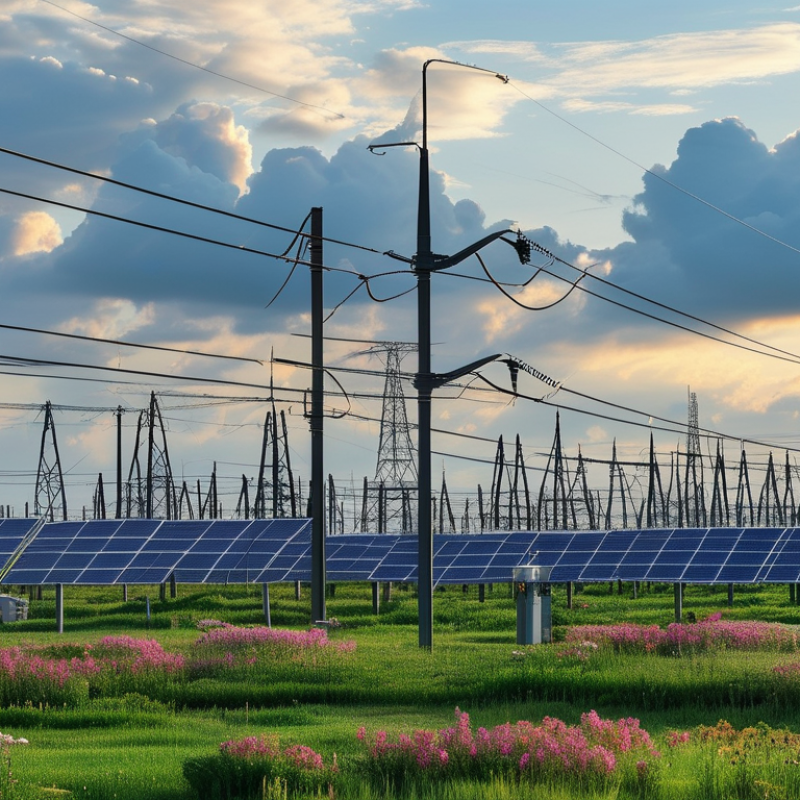
2026 Top Trends in 3 Phase Power Distribution Solutions?

2026 Predictions for 3 Phase Power Distribution Efficiency Improvements

As we look ahead to 2026, the landscape of three-phase power distribution is set to evolve significantly. Efficiency improvements will be at the forefront. One promising area is the integration of advanced sensors. These devices can monitor power quality in real-time. By identifying inefficiencies, they enable quicker responses to potential issues. This proactive approach can reduce downtime and enhance system reliability.

Another trend is the adoption of digital twin technology. Virtual models can simulate various scenarios for power distribution systems. Operators can explore different setups without risking real-world outages. This technology allows for precise adjustments to enhance efficiency. However, it requires careful implementation to ensure accuracy. Over-reliance on simulations may overlook practical challenges.

Lastly, renewable energy integration will reshape distribution strategies. Balancing supply from solar or wind with existing infrastructure is complex. It demands innovative solutions to maintain stability while adopting green technologies. The shift towards cleaner energy sources could lead to unforeseen challenges. Addressing these will require collaboration across the industry. The path to improved efficiency is promising but not without hurdles.

Advancements in Smart Grid Technologies for 3 Phase Power Systems

The evolution of smart grid technologies is significantly reshaping 3 phase power distribution systems. According to recent industry reports, the smart grid market is expected to reach $100 billion by 2026. This growth is fueled by advancements in automation and communication technologies. Enhanced monitoring systems are becoming standard. These systems provide real-time data and improve reliability.

A significant aspect of these technologies is their ability to integrate renewable energy sources. As per the International Energy Agency, up to 30% of global power generation could come from renewables by 2030. However, integrating these sources into existing grid structures poses challenges. Many regions still rely on outdated infrastructure. Modernizing these systems is crucial for accommodating the fluctuation in energy supply and demand.

Data analytics is a game changer for operational efficiency. Smart meters and sensors allow utilities to analyze usage patterns. Reports suggest that utilities can reduce operational costs by up to 25% with better data insights. Yet, there are ongoing concerns regarding cybersecurity. As the grid becomes smarter, vulnerabilities increase. Addressing these issues is essential for the future of 3 phase power distribution systems.

2026 Top Trends in 3 Phase Power Distribution Solutions

Trend Description Impact Implementation Status
Smart Meters Advanced metering infrastructure enabling real-time monitoring and control. Increased efficiency and reduced service costs. Widespread rollout in major urban areas.
Decentralized Power Generation Integrating local renewable energy sources into the grid. Enhancement of energy security and sustainability. Pilot projects expanded in residential areas.
Grid Resilience Technologies Technologies aimed at improving grid robustness against disruptions. Reduced downtime during outages. Ongoing investment and upgrades planned.
Automated Fault Detection Systems that automatically detect and locate faults in the network. Faster response times to outages and improved reliability. Rolling out in select regions.
IoT Integration Implementing Internet of Things devices for enhanced monitoring and analytics. Better data insights leading to improved operational efficiency. Pilot testing in multiple cities.

Impact of Renewable Energy Integration on Power Distribution Networks

The integration of renewable energy sources has transformed power distribution networks in significant ways. Traditional grids struggle to accommodate the variable output from solar and wind energy. This variability can lead to instability if not managed properly. As a result, power distribution systems must adapt to these changes or face inefficiencies.

New technologies are making it possible to enhance energy storage and grid flexibility. For instance, battery storage solutions can help balance supply and demand during peak times. Smart grids also enable real-time monitoring and data analytics. These tools provide a more reliable way to predict energy flow and manage disruptions. However, implementing these solutions isn't flawless. There is still a learning curve, and some systems may face integration challenges.

The increased complexity of managing distributed energy resources raises concerns. Stakeholders must navigate regulatory hurdles and invest in infrastructure upgrades. Education and training for workers in the field also present obstacles. In this evolving landscape, it's crucial to address these imperfections to create a robust power distribution system that effectively incorporates renewable energy.

2026 Top Trends in 3 Phase Power Distribution Solutions

This chart illustrates the impact of renewable energy integration on various aspects of power distribution networks by the year 2026.

Trends in Energy Management Systems for 3 Phase Power Distribution

As energy efficiency becomes a priority, energy management systems (EMS) for three-phase power distribution are evolving rapidly. Recent studies indicate that organizations integrating EMS can achieve up to a 30% reduction in energy costs. This is crucial in an era where energy prices fluctuate and sustainability is a key concern. Leveraging real-time data analytics, EMS allows for precise monitoring and optimization of power usage across systems.

The emergence of artificial intelligence in EMS is transforming how businesses manage energy. AI-driven insights are proving to be revolutionary. They enable predictive maintenance and enhanced load forecasting. These innovations lead to improved system reliability. However, integrating these advanced systems can pose challenges. Companies often face hurdles with data security and compatibility with existing infrastructure. A report from the International Energy Agency noted that 40% of businesses struggle to select the right EMS due to these complexities, highlighting an area ripe for improvement.

Additionally, the trend towards renewable energy sources complicates traditional three-phase power distribution. As organizations blend conventional and renewable systems, effective EMS becomes even more critical. This transition requires careful planning and expertise. Companies must consider factors such as grid stability and electricity cost variance. Embracing these changes offers not just operational efficiencies but also aligns with global sustainability goals.

Regulatory Changes Shaping the Future of Power Distribution Solutions

The landscape of power distribution is evolving. Regulatory changes are pivotal in shaping future solutions. Governments worldwide are increasingly focusing on sustainability and efficiency. These regulations dictate how power is generated, distributed, and consumed. The shift towards renewable energy sources prompts utilities to rethink their grid structures. Adopting three-phase power distribution solutions is gaining traction.


Evaluating compliance with new regulations can be challenging. Companies must adapt their infrastructure to align with evolving standards. This may involve upgrading equipment or investing in smart technology. Ensuring reliability while navigating these changes is crucial. There's a balance between innovation and compliance, and many organizations struggle with this. The pressure to meet regulatory demands while enhancing performance is real.


Flexibility in design and operation can ease this transition. Integrating digital solutions can help monitor compliance in real-time. These tools empower companies to make informed decisions quickly. Ultimately, staying ahead relies on embracing change and fostering a culture of continuous improvement. This commitment can drive better outcomes in the face of regulatory challenges.

Our dedicated sales and support staff are here to help you identify the ideal pump solution for your needs.

Contact Us