
Best Auto Oil Pan for Your Vehicle Needs?

When it comes to choosing the best auto oil pan for your vehicle, the stakes are high. Industry expert John Thompson states, "An efficient oil pan is vital for engine longevity." This highlights the importance of selecting a quality auto oil pan. A good oil pan not only holds the oil but also plays a crucial role in regulating engine temperature and maintaining oil pressure.

Many drivers overlook the significance of an auto oil pan, believing it to be just another part. However, a poorly designed or damaged pan can lead to leaks and engine failures. Each vehicle has unique requirements, and understanding these needs is essential.

Investing in the right auto oil pan can enhance your engine's performance. It can also prevent costly repairs down the line. Take time to research options and consult professionals when necessary. An informed choice can make all the difference in maintaining your vehicle's health.
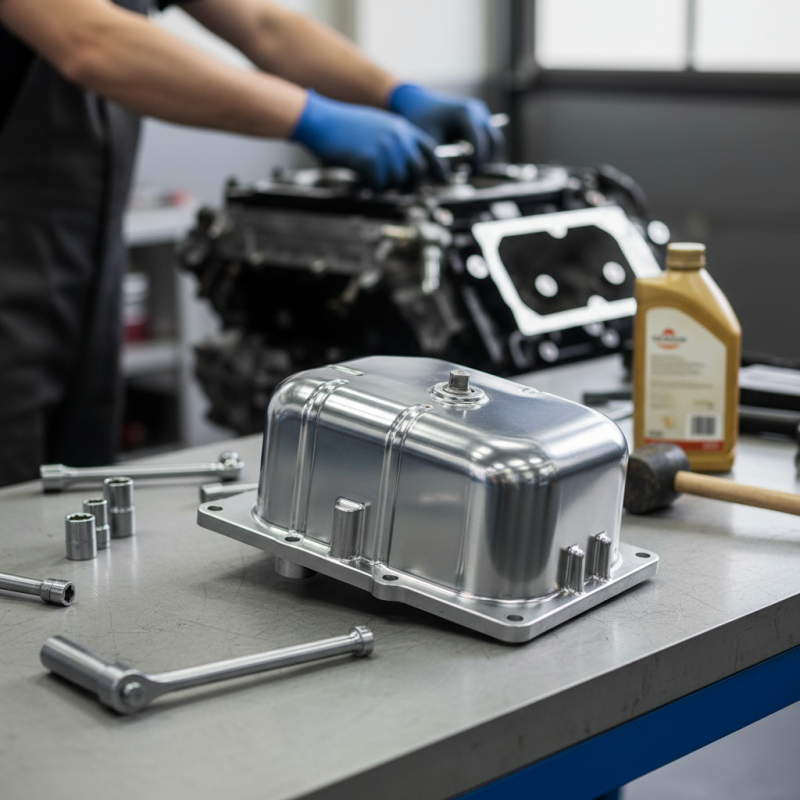
Best Auto Oil Pan for Your Vehicle Needs?

Understanding the Function of an Auto Oil Pan in Vehicle Performance

The oil pan plays a vital role in your vehicle's performance. Positioned at the bottom of the engine, it stores the engine oil, allowing it to circulate efficiently. A well-functioning oil pan ensures proper lubrication, cooling, and cleaning of engine parts. Without it, components may suffer from excessive wear and tear. This could lead to costly repairs down the line.

Regular inspections of the oil pan can prevent leaks and damage. An oil leak can seriously compromise engine performance. Check for signs of oil spots under the vehicle or changes in oil levels. If you notice any irregularities, act promptly.

Tip: Ensure you always use the correct type of oil for your vehicle. It can make a significant difference in engine health. Changing the oil regularly is crucial too. Consider doing this every few thousand miles or as recommended by your vehicle’s manual. The right care extends your engine’s life and enhances performance. A neglected oil pan and oil can lead to engine issues that are often easily avoidable.

Types of Oil Pans: Materials and Designs Explained

When selecting an oil pan, understanding the types of materials and designs is crucial. Steel oil pans are durable and resistant to wear. They often come with a thicker structure, providing solid protection for your engine. Aluminum pans, on the other hand, are lightweight and offer better heat dissipation. This helps regulate engine temperature efficiently. However, they can be more prone to damage from impacts.

The design of the oil pan plays a significant role in its performance. Shallow designs are common in performance cars, allowing for quick oil access. Deeper pans are essential for vehicles with larger engines, as they ensure adequate oil supply during heavy usage. Some designs include baffles that minimize oil slosh, keeping oil around the pickup tube. But poor design can lead to oil starvation during acceleration or turns.

While selecting an oil pan, consider your vehicle's needs. The best choice balances durability, weight, and design. However, filtering through options can be overwhelming. Each material and design presents its unique challenges. Careful consideration ensures that you find a pan that not only fits your vehicle but enhances its performance.

Best Auto Oil Pan for Your Vehicle Needs

Type Material Design Best For
Standard Oil Pan Steel Traditional shape Most vehicles
Built-in Baffle Oil Pan Aluminum Baffled design Performance vehicles
Deep-Sump Oil Pan Cast Iron Deep design Heavy-duty applications
Sump with Oil Cooler Aluminum Integrated cooler High-performance engines
Plastic Oil Pan Plastic Composite Lightweight design Eco-friendly vehicles

Factors to Consider When Choosing an Oil Pan for Your Vehicle

When selecting the best auto oil pan for your vehicle, consider its material, design, and compatibility with your engine. Steel and aluminum are common materials. Steel pans are often more durable, while aluminum offers lighter weight and better heat dissipation. The right choice may depend on your driving style and climate.

Pay attention to the oil pan's design. Some feature integrated baffles or windage trays to reduce oil sloshing during turns. This is vital for maintaining lubrication in high-performance situations. If you often drive in challenging conditions, opt for a design that offers enhanced stability and protection for your engine.

Tips: Always check for any leaks after installation. A damaged oil pan can lead to engine failure. Consider using a gasket designed for your vehicle model to prevent leaks effectively. Regular inspections can catch any potential issues early. Remember, every vehicle has different requirements. It's essential to find an oil pan that matches your specific needs and driving conditions.

Best Auto Oil Pan Options Based on Key Features

This chart compares the average values of important features to consider when choosing the best auto oil pan, including material, capacity, weight, price, and drainage feature functionality.

Installation Tips and Best Practices for Oil Pan Replacement

When replacing an oil pan, proper installation is key. Start by ensuring your vehicle is on a level surface. Safety is paramount; always engage the parking brake. Use a jack and stands to elevate the vehicle securely. Remove the old oil pan carefully to avoid damaging surrounding components. This step can be tricky, especially if rust is present.

Before installing the new oil pan, inspect the mounting surface. Clean any leftover gasket material thoroughly. Using a proper gasket is essential to prevent leaks. Double-check that all bolt holes align perfectly. Tighten the bolts gradually in a crisscross pattern to distribute pressure evenly. This ensures a secure fit and reduces the risk of warping.

Often, DIYers overlook the need for a fresh oil filter. Changing the filter while replacing the oil pan enhances performance. After assembly, fill the engine with fresh oil. Run the engine briefly and monitor for leaks. If any appear, reassess your installation. Sometimes, small adjustments make a significant difference. Taking the time to reflect on each step improves your skills for future projects.

Maintenance and Care for a Long-Lasting Auto Oil Pan

Maintaining your auto oil pan is essential for optimal vehicle performance. Regular inspections can prevent issues like leaks or rust. It's vital to check for oil residue, as it indicates potential problems. If you notice any, address them promptly to avoid costly repairs.

Using a proper oil pan gasket can enhance durability. Over time, gaskets can wear out, leading to leaks. Replacing a damaged gasket is a simple task that can save money. Ensure you clean the oil pan thoroughly during maintenance. This can help you identify any cracks or corrosion that may develop.

Additionally, consider the environment where you park your vehicle. Exposure to harsh weather can deteriorate the oil pan faster. A protective cover can shield it from elements like salt or debris. Regular cleaning can remove contaminants that accumulate over time.

Remember, a well-maintained oil pan contributes significantly to your engine's health, ensuring a smoother ride.

Article Source:

Our dedicated sales and support staff are here to help you identify the ideal pump solution for your needs.

Contact Us