What is the Best Bent-axis Motor in China?
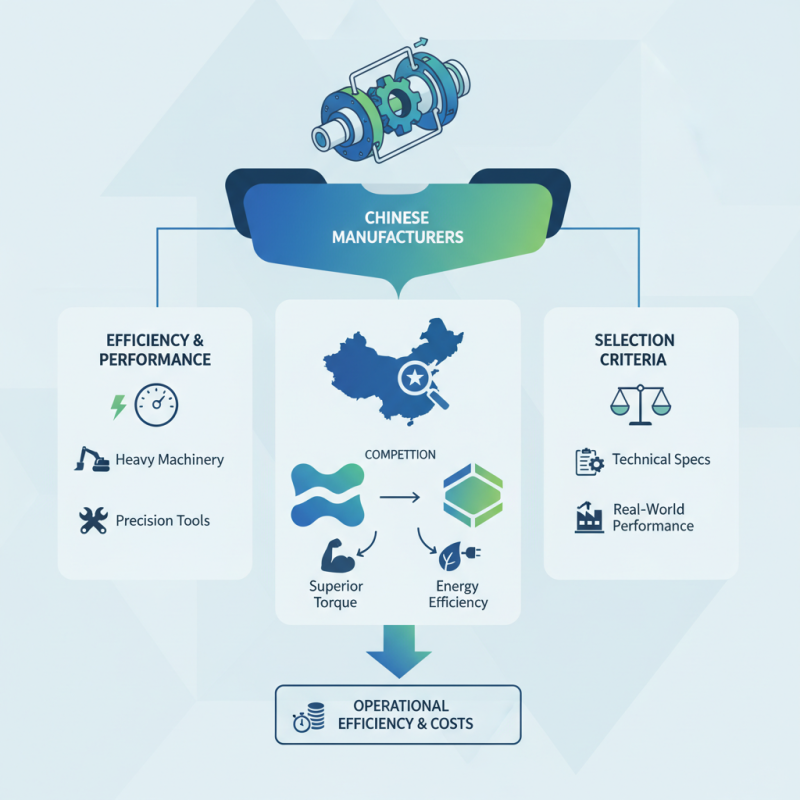
In recent years, the demand for advanced machinery has surged in various industries. Among various technologies, the Bent-axis Motor stands out. This motor type is recognized for its efficiency and performance. It serves numerous applications, from heavy machinery to precision tools.
Chinese manufacturers have rapidly developed models to meet these diverse needs. Competition is fierce, with each brand boasting unique features and specifications. Some offer superior torque, while others focus on energy efficiency. However, determining the best Bent-axis Motor is not straightforward. Each model has strengths and weaknesses that warrant reflection.
Selecting the right Bent-axis Motor requires careful consideration of specific use cases. Prospective buyers must evaluate technical specifications and real-world performance. It’s important to analyze not only the advertised advantages but also potential drawbacks. This decision can significantly impact operational efficiency and costs.
Overview of Bent-axis Motors and Their Applications
Bent-axis motors play a crucial role in various industries, including manufacturing and automotive sectors. These motors are known for their efficiency and high power-to-weight ratio. According to a recent market report, the global bent-axis motor market is expected to grow by 6% annually through 2026. This growth is driven by the increasing demand for advanced hydraulic systems.
Applications of bent-axis motors span across mobile machinery and industrial equipment. They provide superior torque at low speeds, making them ideal for hydraulic applications. The design of these motors allows for variable displacements, which enhances their adaptability. However, the complexity of their construction can lead to maintenance challenges.
Tips: When selecting a bent-axis motor, consider the specific application requirements. A common mistake is overlooking the size and weight constraints. Understanding the operating environment is essential for optimal performance.
Comparison of Bent-axis Motors Performance in China
Key Features and Advantages of Bent-axis Motors
Bent-axis motors are gaining popularity due to their unique design and efficiency. They utilize a bent axis to convert hydraulic energy into mechanical power. This configuration improves overall performance while minimizing power loss. Precision is a standout feature, allowing for better control in various applications.
One of the significant advantages of bent-axis motors is their high torque-to-weight ratio. This makes them ideal for compact designs, often essential in modern machinery. Their construction allows for a smoother operation compared to traditional motors. However, manufacturing complexities can lead to inconsistencies in product quality, which is worth considering.
Another critical aspect is their flexibility in applications. They work well in both high and low-speed conditions. Depending on specific needs, they can be adapted easily. That said, maintenance can be a challenge. Users may need to invest time to keep them in optimal condition. Overall, while bent-axis motors offer impressive features, there are areas for improvement regarding reliability and upkeep.
Leading Manufacturers of Bent-axis Motors in China
Bent-axis motors have gained popularity in various industries due to their efficiency and compact design. In China, several leading manufacturers dominate the market. According to industry reports, the bent-axis motor market is expected to grow significantly, reaching a valuation of over $1 billion by 2025. This growth can be attributed to the increasing demand for hydraulic systems across sectors such as construction, agriculture, and manufacturing.
One notable factor is the emphasis on energy efficiency. Many manufacturers are focusing on reducing energy loss in their designs. This, however, also presents a challenge. While newer models may boast better efficiency, earlier ones still dominate the existing fleet. The transition to advanced motors needs careful consideration.
Tip: When selecting a bent-axis motor, evaluate the
torque and speed characteristics that suit your application best. Not all motors are created equal.
Another aspect worth noting is the importance of after-sales support. Customers sometimes overlook this, settling for lower initial costs. A robust after-sales service can enhance overall satisfaction and performance.
Tip: Always inquire about
warranty and customer service before making a purchase. Reliability extends beyond the product itself.
The Chinese market continues to evolve, yet some manufacturers lag in technology adoption. Staying updated on industry trends is critical for any buyer or manufacturer looking to stay competitive.
Comparative Analysis of Top Bent-axis Motors Available
When comparing bent-axis motors, several factors come into play. The design impacts efficiency and performance. Many motors show a variation in torque and speed, which influences their applications. Some motors operate quietly but struggle with power output. Others are powerful yet can be quite noisy. Such contrasts draw attention to the importance of selecting the right motor for specific needs.
Looking deeper, heat dissipation is a concern. Some motors run hot, which affects longevity. Users report inconsistent performance when motors overheat. In contrast, others maintain cooler operation but might have reduced efficiency. The material quality also varies significantly. Some motors use advanced composites while others rely on standard metals. These choices impact not only performance but also cost.
Furthermore, ease of installation varies across models. A few motors come with complex setups, frustrating users. Simpler motors often attract positive feedback. However, they may lack advanced features found in more complicated designs. Ultimately, the decision should align with the user’s specific requirements, considering both performance and practicality. Each motor has its strengths and weaknesses, making it essential to evaluate thoroughly.
Future Trends and Innovations in Bent-axis Motor Technology
Bent-axis motors are gaining traction in various applications, from industrial machinery to renewable energy systems. Recent reports indicate that the global market for bent-axis motors is expected to reach $4 billion by 2026. Innovations in design and efficiency are driving this growth. Manufacturers are focusing on improving torque density and reducing energy loss.
Developments in materials science are playing a crucial role. Advanced composites and lightweight materials enhance performance while minimizing weight. However, challenges remain in production scalability. Many manufacturers struggle with consistent quality control. Upgrading existing infrastructure may also require substantial capital investment, which could hinder rapid advancements.
Looking forward, integration with smart technologies seems promising. The rise of IoT can provide better predictive maintenance and operational efficiencies. However, the industry must address cybersecurity risks that come with connectivity. As the market evolves, balancing innovation with these challenges will be key to future success.
What is the Best Bent-axis Motor in China? - Future Trends and Innovations in Bent-axis Motor Technology
| Parameter | Value | Remarks |
| Max Efficiency | 92% | High-performance models |
| Operating Pressure | 300 bar | Standard for heavy applications |
| Weight | 50 kg | Compact design |
| Temperature Range | -20°C to 80°C | Suitable for diverse environments |
| Rotational Speed | 3000 RPM | Efficient for rapid operations |
| Control Type | Closed-loop | Enhanced precision |
| Life Expectancy | 15,000 hours | Long operational lifespan |