Which Is the Best China Laser Cleaning Technology Supplier?
Choosing the best China Laser Cleaning Technology supplier requires more than comparing machine prices. A polished brochure may show bright metal, fast scanning, and impressive power ratings. It may not reveal beam stability, operator training, or long-term service quality. Real evaluation begins with the workpiece.
A capable supplier should explain how laser wavelength, pulse width, energy density, and scanning speed affect each material. Stainless steel, painted aluminum, stone, and historic bronze need different cleaning strategies. A reliable team will request photographs, coating details, sample dimensions, and contamination type before recommending equipment. That practical step matters.
Professor Reinhart Poprawe, a respected laser-processing expert, said, “The laser is a tool; the process makes the difference.” This idea should guide every supplier comparison. The strongest companies do not simply sell a laser source. They provide testing, process documentation, safety guidance, spare parts, and responsive technical support.
Look closely at the details. Can the supplier perform sample trials? Are cleaning results measured under controlled conditions? Does the system offer stable pulse control and repeatable scanning? What happens after installation?
Not every answer will be perfect.
That is worth admitting.
Supplier claims can also sound stronger than the available evidence. Buyers should verify factory experience, export records, certifications, warranty terms, and customer references. A lower quotation may hide limited support or expensive replacement parts. A higher price may reflect better optics, software, training, and engineering.
This guide examines leading Chinese suppliers through those practical criteria. It focuses on performance, transparency, application knowledge, and dependable service. The goal is not to praise the loudest brand. It is to identify the supplier most likely to deliver safe, repeatable, and commercially useful cleaning results.
What Is Laser Cleaning Technology?
What Is Laser Cleaning Technology?
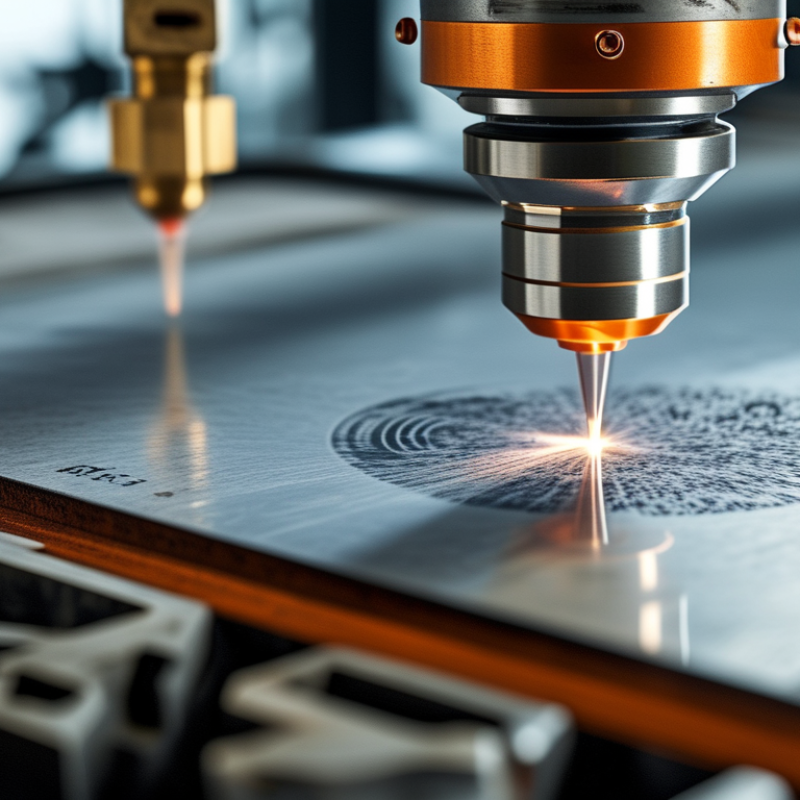
Laser cleaning technology removes rust, paint, oil, oxides, and surface dust with focused light energy. It directs short laser pulses onto a contaminated surface. The beam heats the unwanted layer faster than the base material. The residue then evaporates, cracks, or separates from the surface.
This process is precise and usually produces little secondary waste. Unlike abrasive blasting, it does not depend on sand or harsh chemical contact. The surface remains mostly untouched. That matters near welds, molds, electrical parts, and detailed metal structures. In a practical trial, operators adjust power, pulse width, scanning speed, and focal distance. Too much energy can discolor or damage the substrate. Too little energy leaves contamination behind. That balance is easy to underestimate.
Laser cleaning is not magic. Material testing remains essential, especially for painted alloys, stone, plastics, and layered coatings. A reliable technology supplier should explain these limits clearly. Technical guidance should include sample testing, operating parameters, ventilation needs, protective equipment, and maintenance requirements. Documentation should be specific, not filled with broad promises. The best equipment is not always the most powerful. It should match the cleaning task, production speed, surface condition, and operator skill. Some systems may look impressive during a demonstration but perform differently on uneven surfaces. That gap deserves careful review before purchase.
How China’s Laser Cleaning Systems Work
Which Is the Best China Laser Cleaning Technology Supplier?
How China’s Laser Cleaning Systems Work
China’s laser cleaning systems remove rust, paint, oil, and oxide layers without abrasive contact. A pulsed laser sends short energy bursts onto the surface. Contaminants absorb the light faster than most solid substrates. They heat, crack, and separate from the base material. A scanning head moves the beam in controlled lines, much like a printer crossing metal. Operators adjust pulse energy, frequency, scan speed, and spot size for each material.
The process is precise, but not flawless. Excessive energy can discolor steel or soften a thin coating. Low energy may leave stubborn residue behind. In practical testing, technicians inspect the surface after each pass under bright angled light. They also check temperature, dust capture, and edge areas. Reliable suppliers should provide parameter guidance, safety training, test samples, and clear maintenance instructions. A clean-looking surface is not enough. The substrate must remain stable and ready for welding, coating, or inspection.
Tips: Start with a small test area. Record every setting. Use extraction for loose particles and fumes. Protect nearby optics from dust. Do not assume one program suits every alloy. Surface texture, contamination thickness, and laser wavelength all affect results. Some jobs need slower scanning, even when production targets suggest otherwise.
How to Evaluate a Laser Cleaning Technology Supplier
Choosing the best China laser cleaning technology supplier requires more than comparing machine prices. According to Grand View Research’s 2024 analysis, the global laser cleaning market was valued at about USD 587 million in 2023. It is expected to grow at roughly 8.5% annually through 2030. This growth attracts capable manufacturers, but also creates uneven quality.
Ask for a controlled cleaning trial using your actual material, coating, and contamination. Measure cleaning speed, surface roughness, residual heat, and substrate damage. A polished demonstration can mislead. I would not accept a perfect test panel as proof. Request before-and-after microscope images, parameter records, and repeatability results from several operators. Check whether the supplier understands pulsed laser selection, fluence control, scanning width, fume extraction, and heat-sensitive surfaces. Technical language alone is not expertise.
Reliability depends on evidence after delivery. Review factory quality procedures, component traceability, calibration records, warranty terms, training coverage, and response times. Suppliers should explain compliance with applicable laser-safety requirements, including IEC 60825-1 where relevant. The 2024 MarketsandMarkets industry outlook also links adoption with automation and process efficiency, so ask about data logging, remote diagnostics, and integration options. A lower purchase price may hide slower support or expensive replacement parts. No supplier is perfect. The honest one will identify operating limits, rejected materials, and test uncertainty.
Which Is the Best China Laser Cleaning Technology Supplier?
How to evaluate a laser cleaning technology supplier using practical procurement criteria.
The weighting reflects common industrial purchasing priorities: cleaning performance and laser source reliability should receive the greatest attention, followed by safety compliance, automation compatibility, after-sales support, spare parts availability, and total cost of ownership. Use the same scoring method and evidence requirements for every supplier.
Leading Applications and Supplier Selection Criteria
Choosing the best China laser cleaning technology supplier requires more than comparing prices. Application fit matters. Laser cleaning is used for rust removal, paint stripping, mold maintenance, weld preparation, and delicate surface restoration. Grand View Research valued the global laser cleaning market at about USD 587.7 million in 2023, with a projected 9.2% annual growth rate through 2030. Demand is growing, but product quality still varies.
A reliable supplier should provide measured results for your material, coating, and contamination type. Ask for cleaning trials using steel panels, aluminum parts, or textured molds. Check pulse energy, wavelength, scan width, cooling design, extraction compatibility, and operating stability. MarketsandMarkets also identifies automation as a major growth direction in industrial laser processing. The International Federation of Robotics reported 541,302 industrial robots were installed globally in 2023. This supports suppliers offering programmable interfaces and repeatable process parameters. However, automation claims can sound better than real factory performance.
Tips: Request test videos, parameter records, safety certifications, spare-parts lists, and response-time commitments. Examine the beam delivery system carefully. A low purchase price may hide expensive maintenance. Ask how the supplier handles training and failed components. In my experience, one overlooked detail is dust extraction. Cleaning may look successful, yet airborne residue can damage nearby equipment. A supplier should explain this risk clearly, not merely promise “high efficiency.”