Best Oils for Gear Maintenance Tips You Need to Know?

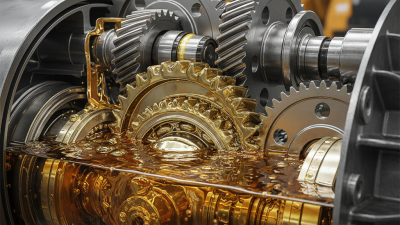
Choosing the right oil for gear maintenance is crucial for the longevity and performance of your equipment. Gears operate under high stress and friction, which can lead to wear and tear over time. Using the appropriate oil can significantly reduce this risk. Different types of gears require specific oils tailored to their unique needs.

Many people overlook the importance of selecting the right oil for gear. It's easy to assume that any lubricant will do the job. However, not all oils possess the necessary properties for optimal gear performance. Some oils may not withstand high temperatures or pressures, resulting in failure. It’s essential to understand the specifications of your gear and choose an oil that aligns with them.

Furthermore, applying oil for gear maintenance isn’t solely about pouring the lubricant and forgetting it. Regular checks and maintenance intervals are necessary. As your gear ages, you might notice changes in performance. Evaluating the condition and adjusting your maintenance routine accordingly is vital. Finding the ideal oil for gear can sometimes involve trial and error. Embracing this process can lead to better outcomes in your equipment's efficiency and lifespan.

Best Oils for Gear Maintenance Tips You Need to Know?

Understanding the Importance of Oil in Gear Maintenance

Oil plays a crucial role in gear maintenance. Proper lubrication prevents wear and tear. It reduces friction, ensuring smooth operation. Without sufficient oil, gears can overheat, leading to costly repairs. Understanding the right type of oil for your equipment is essential.


Many people overlook the importance of regular oil checks. A simple inspection can reveal if your gear is under-lubricated. Pay attention to any unusual sounds during operation. They may indicate that the oil has degraded. Ignoring these signs can lead to significant failures.


Additionally, selecting the appropriate oil additive can enhance performance. Not all oils are created equal. Different gear types require specific formulations for optimal functioning. Being mindful of the choices you make can prolong the life of your gears. Always remember that maintaining your gear is an ongoing process that demands attention and care.

Types of Oils Suitable for Gear Lubrication

When it comes to gear lubrication, choosing the right oil is vital for optimal performance. Different oils suit various applications and conditions. Mineral oil is common due to its affordability and decent performance. However, it may not withstand extreme temperatures, which could lead to gear wear. Alternatively, synthetic oils offer superior thermal stability and resistance to breakdown. They maintain viscosity better under pressure and high temperatures, making them a preferred choice for heavy-duty applications.

Biodegradable oils have gained popularity for their environmental benefits. These oils break down naturally and minimize ecological impact. While they may not always match the performance of traditional oils, they’re ideal for users mindful of their environmental footprint. Understanding the specific requirements of your gear will help in selecting the most suitable oil.

Many overlook the importance of routine oil changes. Fresh oil facilitates smoother operation, prolonging gear life. Users should regularly inspect gear components for signs of wear and tear. Inconsistent oil application can lead to increased friction and eventual failure. Taking the time to choose the right oil and maintain it ensures that your equipment operates efficiently and reliably. Understanding these nuances can elevate your maintenance routine.

Best Oils for Gear Maintenance Tips You Need to Know

Type of Oil Viscosity Grade Recommended For Temperature Range (°C) Notes
Synthetic Gear Oil 75W-90 Heavy-Duty Applications -40 to 40 Excellent wear protection and thermal stability.
Mineral Gear Oil 80W-90 Standard Cars and Trucks -18 to 35 Cost-effective option, suitable for ordinary driving conditions.
Gear Oil Additives N/A Enhancing Performance Varies Used to improve lubrication properties and reduce friction.
Biodegradable Gear Oil 75W-90 Environmentally Friendly Options -30 to 40 Safe for the environment, ideal for outdoor applications.

Step-by-Step Guide to Applying Oil to Gears

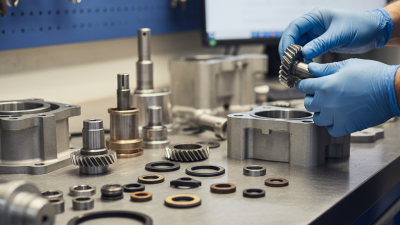
Maintaining gears is essential for optimal performance. Proper oil application can prevent wear and tear. Here’s a step-by-step guide to ensure your gears function smoothly.

Begin by cleaning the gears thoroughly. Dust and debris can hinder oil’s effectiveness. Use a soft brush or cloth to eliminate grime. Applying oil to dirty gears is counterproductive. You want a clean surface to ensure even coverage.

When you apply oil, less is often more. Use a drop or two per gear. Too much oil can attract more dirt. Spread the oil evenly using a cloth. It’s important to check for any excess build-up. An excess can lead to slippage and inefficiency.

Tip: Regular maintenance checks can save time and money. Try to inspect your gears monthly. Look for signs of wear or damage. If you notice unusual sounds, act quickly. Ignoring these could lead to costly repairs.

Common Mistakes to Avoid When Maintaining Gear Oil

Maintaining gear oil is crucial for optimal performance. Many individuals make common mistakes that can undermine their efforts. A common error is not changing the oil frequently enough. According to a report by the Gear Oil Institute, regular oil changes can extend the lifespan of your gear by up to 30%. Ignoring this can lead to inefficient lubrication and premature gear failure.

Another mistake is using the wrong type of oil. It is essential to match the oil viscosity with the manufacturer's specifications. Using inappropriate oil can result in inadequate protection and excessive wear. The Machinery Maintenance Journal highlights that nearly 40% of equipment failures are due to improper lubrication practices. This statistic underscores the importance of choosing the right oil.

Lastly, many neglect the cleanliness of the gear oil. Contaminants can severely impact performance. Regularly inspecting and filtering the oil can help maintain its integrity. A study found that clean oil prevents 80% of wear-related issues. Taking these steps ensures that your gear remains in top condition, enhancing its performance and longevity.

Tips for Choosing the Right Oil for Specific Gear Types

Choosing the right oil for gear maintenance requires understanding gear types. For instance, high-viscosity oils are best for heavy machinery. They provide excellent lubrication under high pressure and temperature conditions. Research shows that viscosity indexes in oils correlate with their performance. A study highlighted that oils with a higher viscosity index can enhance equipment lifespan by up to 30%.

For precision instruments, lighter oils are ideal. They reduce friction and ensure smooth operation. Using an oil that's too thick can lead to sluggish performance and increased wear. A survey from the Machinery Lubrication Journal reported that improper oil selection causes 70% of gear failures. This statistic underscores the importance of selecting the right oil for specific equipment.

Not all oils are created equal. Factors like operating temperature, load conditions, and speed play crucial roles. It's essential to consult technical data sheets for specific oil recommendations. An oversight in oil selection can lead to significant downtime. The best practices suggest testing oils in real conditions whenever possible. Reliability comes from empirical data rather than general assumptions.

Our dedicated sales and support staff are here to help you identify the ideal pump solution for your needs.

Contact Us