
Rail Maintenance Tools are essential for ensuring the safety and efficiency of railway systems. According to industry expert John Smith, "The right tools can significantly reduce downtime and improve repair quality." His insight highlights the critical role these tools play in track repair solutions.
Efficient track maintenance relies on specialized tools designed for specific tasks. From rail grinders to track gauges, each tool serves a unique purpose. Proper selection and use of Rail Maintenance Tools can enhance productivity and ensure trains run smoothly.
However, the industry faces challenges. Many maintenance crews struggle to access the latest technologies. There's a learning curve associated with new tools, which can lead to mistakes. Investing in training and modern equipment is essential for overcoming these obstacles. Ultimately, effective track repair hinges on the right Rail Maintenance Tools and skilled personnel.
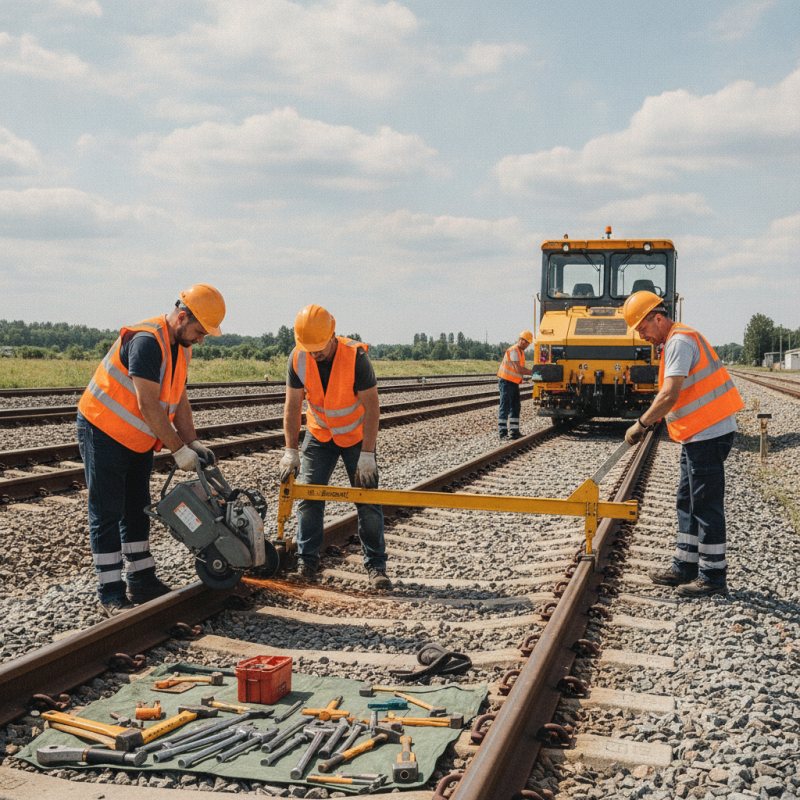
When it comes to effective rail maintenance, having the right tools is crucial. Essential tools like rail saws, track wrenches, and tampers play a vital role in ensuring safe and reliable tracks. Each tool serves a unique purpose and enhances the overall maintenance process. A rail saw can make precise cuts swiftly, while a track wrench is perfect for adjusting bolts.
Tips: Regularly inspect your tools for wear and tear. This will help you maintain their effectiveness and extend their lifespan. Always keep a maintenance log to track the condition and usage frequency of each tool.
Effective rail maintenance also requires understanding the specific needs of the track. Often, teams overlook training on new tools, which can lead to suboptimal usage. Investing time in training can improve efficiency. Get accustomed to how each tool operates for greater accuracy.
Tips: Create a checklist for tool use before maintenance activities. This ensures you have everything needed on hand. Engage team members in discussions about challenges faced with tools to foster idea sharing and improvement.
Rail track repair requires specialized tools designed for precision and durability. There are several key types of tools, each serving a specific purpose. First, rail saws are crucial for cutting through metal tracks. They provide clean cuts and reduce the chances of damaging the surrounding rail. Using a rail saw requires skill and safety measures, as improper use can lead to accidents.
Another essential tool is the track gauge. This device measures the distance between the rails. Accurate measurements ensure trains operate safely on well-aligned tracks. Without it, track misalignments can occur, causing severe safety hazards. The importance of precise measurements can’t be overstated, showing how small mistakes lead to significant issues.
Wrenches and spiking tools are also part of the toolkit. Wrenches tighten bolts that secure the tracks in place. Spiking tools drive spikes into the ties, holding the rails steady. These tools may seem simple, but their role is vital. Neglecting them can lead to loose tracks and subsequent accidents. Regular maintenance and tool assessments are necessary to ensure effectiveness.
When selecting rail maintenance equipment, efficiency is key. Consider the specific needs of your project. Different tools serve varied purposes. Some tools are designed for track alignment, while others focus on rail fastening. Identify what you really need.
Understand the environmental conditions. Weather can affect equipment performance. Temperature fluctuations may require durable materials. Choose tools that can withstand harsh conditions. Regular maintenance of equipment also ensures efficiency over time. Check for wear and tear frequently.
It’s essential to invest in tools that improve safety. Equipment should be user-friendly and intuitive. Training staff to use these tools effectively is crucial. A well-trained team can maximize the benefits of chosen equipment. Reflect on past projects to recognize areas for improvement. This can lead to smarter equipment choices in the future.
Maintaining rail tracks is crucial for safety and efficiency. Proper tools can make a significant difference. However, using these tools effectively requires training and practice. Start by ensuring all team members are familiar with the equipment. Conduct regular training sessions to review proper techniques. This fosters a more knowledgeable workforce.
Next, consider the environment. Different conditions affect the performance of rail maintenance tools. Wet or muddy tracks can create challenges. Be prepared for these variations with appropriate strategies. Always assess the situation before starting any repair tasks. An accurate evaluation leads to smarter choices.
Experience reveals that no tool is a one-size-fits-all solution. Each situation may require a different approach. Learning from past challenges is essential. Documenting what works and what doesn’t helps improve future repairs. Implement a feedback loop to refine techniques continually. Embracing a culture of reflection can elevate overall performance.
Safety in rail track repair operations is paramount. Workers face numerous hazards while maintaining and repairing tracks. Proper safety measures can prevent accidents and injuries. For instance, using personal protective equipment (PPE) such as hard hats, gloves, and high-visibility vests is essential. These items help protect workers from oncoming trains and falling debris.
Additionally, clear communication is crucial during operations. Teams should establish a reliable method to signal their presence. This reduces the likelihood of accidents significantly. Regular safety drills are also necessary. They prepare staff for unexpected situations. Training programs should focus on real-life scenarios. Learning to handle emergencies effectively saves lives.
Finally, it's vital to assess the worksite for safety risks. Each project should start with a thorough evaluation. Identifying potential hazards allows teams to address them proactively. Regular audits help reinforce safety protocols. Continuous improvement is needed. Each incident can teach valuable lessons for the future. Maintaining a safety-first culture ultimately leads to more efficient rail track repairs.
| Tool Name | Purpose | Safety Measures | Maintenance Frequency |
|---|---|---|---|
| Rail Grinder | Smooths rail surfaces | Wear safety goggles and hearing protection | Every 6 months |
| Track Inspection Tool | Checks for defects in tracks | Use high-visibility clothing | Quarterly |
| Spike Puller | Removes spikes from the track | Ensure proper grip and footing | As needed |
| Rail Saw | Cuts rails to required lengths | Use proper blade guards and PPE | Every 3 months |
| Wrench Set | Tightens or loosens bolts | Inspect tools for wear before use | Monthly |
| Track Alignment Tool | Aligns rails accurately | Check for ground stability | Bi-annual |
We are here to help you with all your queries and concerns, just write to us using the below form and we will get back to you as soon as we can.