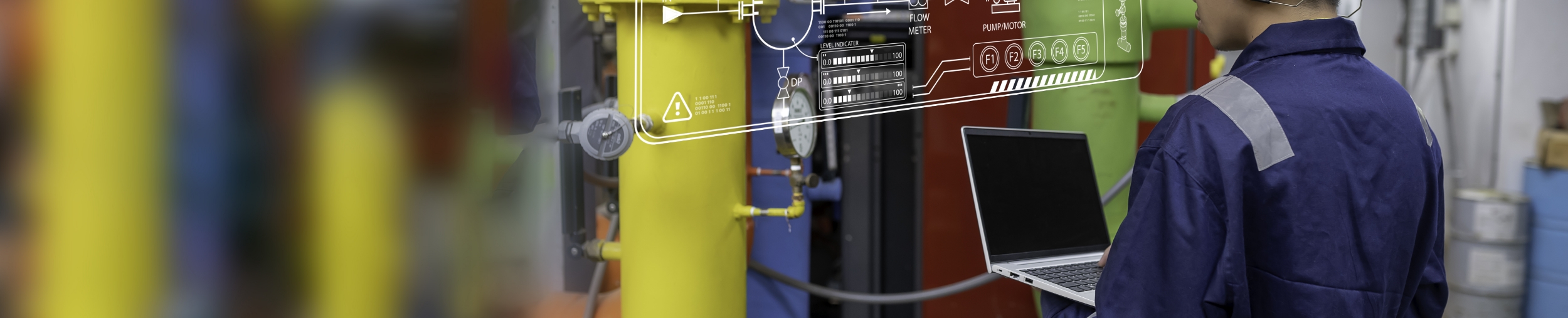
At the upcoming China Import Expo, the focus on innovative technologies will shine a spotlight on the Ultrafiltration System industry. Dr. Emily Zhang, a renowned expert in water filtration, highlights, "Ultrafiltration systems are crucial for achieving clean water in today’s world." This underscores the system's importance for various applications, from industrial processes to household use.
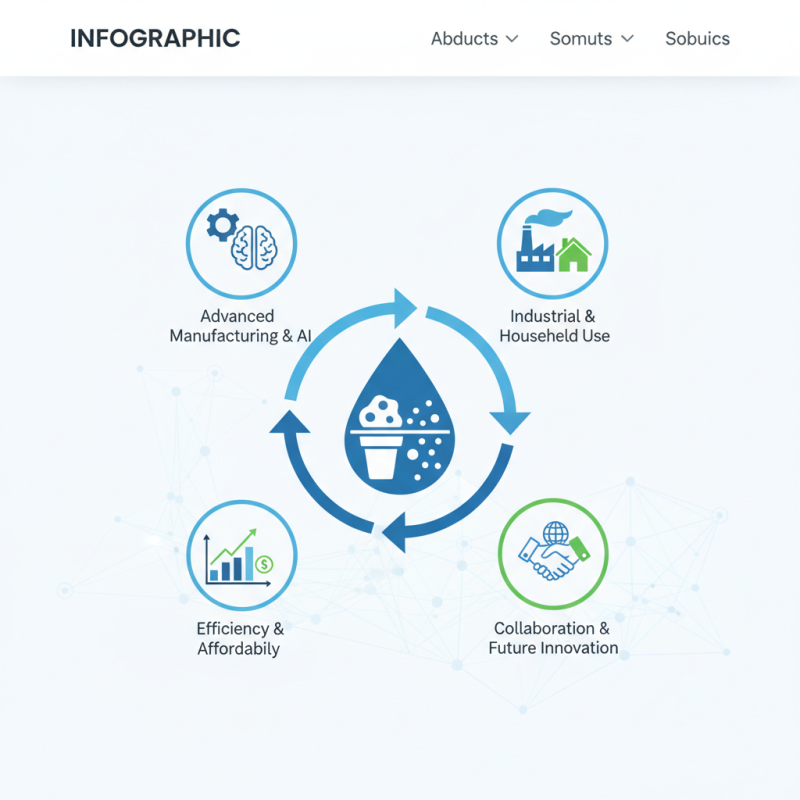
With the integration of advanced manufacturing and AI-driven tools at the Expo, visitors can expect to see groundbreaking ultrafiltration solutions. These systems remove contaminants effectively, ensuring safe drinking water. Attendees will navigate a vast exhibition space of 1.55 million square meters, showcasing how these systems adapt to modern challenges.
However, the industry still faces hurdles. Some ultrafiltration technologies struggle with high operational costs. Companies must innovate to enhance efficiency and affordability. The Expo presents an opportunity for collaboration and improvement, pushing the boundaries of ultrafiltration systems for a better future.
Ultrafiltration technology plays a crucial role in modern water treatment systems. It effectively removes contaminants like bacteria, viruses, and even larger particles from water. The process uses a semi-permeable membrane to allow clean water to pass through while blocking unwanted substances. This technique is versatile, suitable for various applications, including industrial and municipal water systems.
In many cases, ultrafiltration can actually outperform traditional filtration methods. However, it has limitations too. Over time, membranes can become fouled, requiring regular maintenance. Operators need to monitor system performance closely. Sometimes, the initial setup costs can be a barrier for smaller facilities. It's essential to weigh the benefits against potential challenges.
Despite its advantages, ultrafiltration technology is not a one-size-fits-all solution. Each application poses unique requirements. It's vital to conduct thorough assessments before implementation. Ultimately, understanding the strengths and weaknesses of ultrafiltration ensures that the technology is used effectively and responsibly in water treatment.
| Parameter | Value | Description |
|---|---|---|
| Filtration Rate | 100-500 L/h | The volume of water that can be filtered per hour. |
| Membrane Material | Polymeric | Material used for the ultrafiltration membranes. |
| Pore Size | 0.01 - 0.1 μm | Size of the pores in the filtration membrane. |
| Typical Applications | Drinking Water, Wastewater Treatment | Common uses of ultrafiltration systems. |
| Energy Consumption | Low | Energy usage classification compared to other systems. |
| Maintenance Frequency | Every 6-12 months | How often the system needs maintenance. |
Ultrafiltration systems are gaining attention for their effectiveness and efficiency in water treatment. They filter out particles and microorganisms, providing clean water. This is crucial in both domestic and industrial settings. The key features of ultrafiltration systems include high-quality performance and energy savings. They generally operate without the need for chemicals, making them eco-friendly. Their various applications span across industries like food processing, pharmaceuticals, and municipal water treatment.
When selecting an ultrafiltration system, consider the membrane material and pore size. These elements impact filtration efficiency. Look for systems with easy maintenance features. This saves time and reduces costs. Regular cleaning of membranes prolongs lifespan.
**Tip:** Always check the compatibility of the system with your existing setup. Not all systems fit every application. Make sure to understand the initial investment versus long-term savings. Each environment is different, so reflection on your specific needs is essential. Balancing efficiency with budget can be challenging but rewarding.
Ultrafiltration systems are gaining significant attention in 2023. Market trends indicate a steady growth projection as industries seek efficient water purification solutions. These systems excel at removing contaminants while retaining essential minerals. Their versatility makes them suitable for various applications, including drinking water treatment and wastewater management.
The demand for ultrafiltration is driven by increasing environmental concerns. As water quality issues rise globally, businesses are prioritizing cleaner water sources. However, not all ultrafiltration systems are equal. Some may struggle with user-friendliness or require frequent maintenance. This presents a challenge for companies seeking reliable solutions.
Investors are closely watching these systems. Some are optimistic about the growth potential, while others remain cautious. The challenge lies in choosing the right technology without overspending. Users must be aware of their specific needs to make informed decisions. Although ultrafiltration holds promise, businesses must carefully evaluate their long-term requirements.
The China Import Expo showcases innovative ultrafiltration technologies. Leading manufacturers are focusing on advanced membrane materials. Reports estimate the ultrafiltration market to grow by 8% annually. This is driven by an increasing demand for clean water.
Among the exhibitors, many emphasize sustainability. Ultrafiltration systems are essential in water purification and wastewater treatment. Despite the advancements, some systems still face challenges. Membrane fouling and longevity remain concerns for users. Data suggests that over 30% of users encounter fouling as a major issue.
Industry specialists note that ongoing research is vital. They aim to enhance performance and reduce costs. Solutions like automated cleaning processes are being tested. The evolution of ultrafiltration technology is promising, yet imperfect. Manufacturers must consider user feedback and address real-world issues effectively.
Ultrafiltration systems have gained attention for their efficiency in water treatment. Various case studies worldwide illustrate their successful applications. In one project, a municipal wastewater facility implemented ultrafiltration to enhance water quality. The technology removed pathogens effectively, resulting in significant public health improvements. However, the initial setup costs posed challenges. Budget constraints slowed progress, raising concerns about long-term sustainability.
Another case involved an agricultural project utilizing ultrafiltration for irrigation. The farmers reported increased crop yields due to cleaner water. While the results were promising, the maintenance of the system required more frequent attention than expected. This oversight led to temporary downtime and a need for additional training for the staff. It highlighted the importance of continuous education and the adaptation of local practices.
These examples reveal the potential of ultrafiltration systems, yet they also demonstrate the need for careful planning and reflection. Challenges certainly exist, but the benefits can outweigh the drawbacks with proper management. Sharing experiences and lessons learned can help future projects succeed.
We are here to help you with all your queries and concerns, just write to us using the below form and we will get back to you as soon as we can.