When considering how to buy Pu Foam Filler In China, you are entering a crucial phase for your business. The demand for PU foam filler in China has surged, driven by its diverse applications in industries like construction and automotive. Samuel Zhang, a renowned expert in the polyurethane industry, notes, "Understanding suppliers is key to successful sourcing."
Navigating this market can be challenging. Quality control is paramount when selecting a supplier. Many companies overlook the importance of testing samples before placing large orders. The wrong choice can lead to compromised product quality and financial losses.
Choosing the right PU foam filler in China involves thorough research. Factors to consider include certifications, pricing, and supplier reliability. Establishing trustworthy relationships with suppliers can yield long-term benefits. Maintaining an open line of communication is essential but sometimes underestimated. In this evolving market, reflecting on past experiences can guide future decisions.
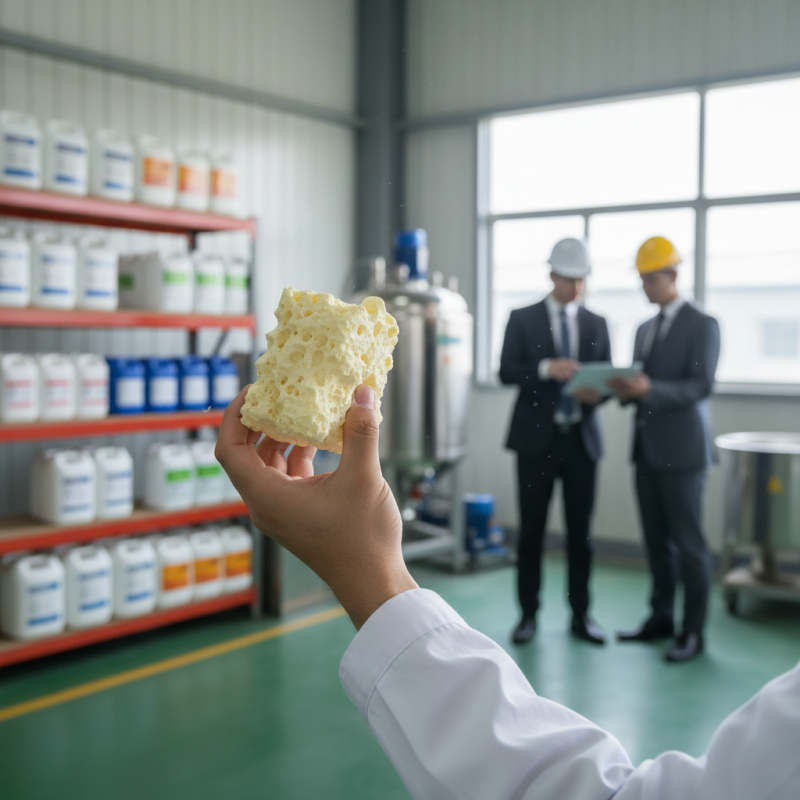
PU foam filler is an important material used across various industries. This versatile substance is primarily made from polyurethane, which gives it unique properties. It is lightweight, strong, and flexible, making it ideal for insulation, cushioning, and soundproofing applications. Companies often utilize PU foam filler for packaging, building construction, and automotive industries. Understanding these applications is crucial when sourcing this material in China.
When buying PU foam filler, it’s essential to consider the quality. Not all fillers are made the same. Check for certifications that indicate high manufacturing standards. Look for suppliers who have experience in the industry. This can greatly impact your purchasing decision.
Tips: Always request samples before bulk purchasing. This helps verify the quality. Additionally, compare different suppliers. Prices can vary significantly. Be wary of deals that seem too good to be true. Quality should not be compromised for cost. Evaluating the supplier's reputation is essential for reliability. Trust comes from solid reviews and recommendations.
PU foam filler has a range of complexities. Sometimes, specifications may not be clear. This can lead to dissatisfaction. Clear communication with suppliers is key. Make sure to ask questions and confirm details before placing orders. The right filler can enhance your product's performance.
Finding reliable suppliers for PU foam filler in China is essential for any business. The journey begins with thorough research. Online platforms can connect you to numerous suppliers, yet not all are trustworthy. Look for companies with positive reviews and a strong online presence. This helps to gauge their reliability and expertise in PU foam production.
Engaging with suppliers directly can uncover more details. Request samples to assess the product quality. Check if they provide certifications, as this confirms standards. A lack of documentation may indicate potential risks. Additionally, establishing a good dialogue allows you to understand their production capabilities and response times. Be cautious of suppliers that seem evasive or too eager to make a sale.
Networking also plays a vital role. Attend industry expos and trade shows in China. Meeting potential suppliers face-to-face builds trust. You can often sense the company's ethos and commitment. Maintain a critical eye during interactions. Reflecting on these experiences can help refine your criteria for a reliable supplier. Finding the right partner could take time, but it is crucial for the success of your business.
When considering the purchase of PU foam filler, evaluating product quality and specifications is crucial. A reliable foam filler should meet industry standards, including ASTM and ISO certifications. According to a recent report by MarketsandMarkets, the global PU foam market is expected to reach $60 billion by 2026, indicating strong demand and competition. To thrive in this market, businesses must focus on sourcing high-quality products.
Density is a key specification to consider. A density of 25-30 kg/m³ is generally adequate for general applications. However, it is recommended to request samples for testing. Visual and tactile assessments can reveal inconsistencies in quality. Additionally, check for certifications that confirm compliance with fire safety and environmental regulations. The composition of the foam should ideally reflect eco-friendly practices as consumer demand shifts towards sustainable materials.
It's also essential to assess supplier reliability. Look for companies with a proven track record and positive reviews. Establishing relationships with multiple suppliers may mitigate risks associated with dependency. If product specifications are not clearly defined, it could reflect a lack of transparency. Understanding these nuances can significantly impact business decisions and overall product satisfaction. Make sure to review all options carefully, as missteps can lead to substantial costs down the line.
When navigating the complexities of importing PU foam filler in China, understanding customs procedures is crucial. China has strict regulations regarding imports. You must be familiar with specific documentation and certification requirements. This includes ensuring that the foam meets local safety and environmental standards.
Tips: Always check the latest regulations. Customs officers can be strict. Ensuring paperwork is complete can prevent delays.
While dealing with customs, be prepared for inspections. Your shipment may be subject to random checks. Understanding what inspectors look for can streamline the process. Engage with a reliable customs broker. They can provide insights into local practices. Lack of familiarity can lead to oversights that might delay clearance.
Tips: Keep your communication transparent. Misunderstandings can arise quickly. Building trust with customs officials can ease tensions.
It's essential to stay updated on changes in regulations. Compliance is key. Even minor discrepancies in documentation can lead to significant issues. Regularly review your procedures and improve where necessary. Learning from past experiences can guide future shipments.
| Aspect | Details |
|---|---|
| Product Type | Polyurethane Foam Filler |
| Key Characteristics | Flexibility, Insulation, Adhesion |
| Regulatory Body | General Administration of Customs (GACC) |
| Import Tariff Rate | 6% - 12% |
| Quality Standards | GB/T 13477-2018 |
| Required Documents | Commercial Invoice, Packing List, Bill of Lading, Import License |
| Customs Clearance Time | 3 - 7 business days |
| Preferred Shipping Methods | Sea Freight, Air Freight |
| Common Challenges | Regulatory Compliance, Quality Assurance, Shipping Delays |
Negotiating prices and terms with Chinese PU foam suppliers requires a strategic approach. Industry reports indicate that over 30% of businesses experience challenges in achieving favorable terms. Understanding market benchmarks can help in making informed decisions. Recent data shows that the average cost of PU foam in China ranges from $1 to $2 per kilogram. This price can fluctuate based on quality, order volume, and supplier reputation.
Effective negotiation involves asking for samples. This helps evaluate the foam's quality before placing bulk orders. Some suppliers may initially provide higher quotes. Buyers should be prepared to counter these offers. It’s beneficial to compare quotes from at least three suppliers. Research suggests that businesses can often achieve discounts of 10% to 20% through effective negotiation techniques.
Timing also plays a crucial role. Suppliers may have seasonal variations in production costs. This can impact pricing strategies. Establishing a good relationship is essential. It may lead to more flexible payment terms, which can benefit cash flow. Remember, each negotiation is unique. Analyzing past interactions and outcomes can refine your strategy moving forward.
We are here to help you with all your queries and concerns, just write to us using the below form and we will get back to you as soon as we can.