
China Best 316l Hygienic Bolts for Global Buyers?

The demand for 316L hygienic bolts has seen significant growth in various industries. A report from Market Research Future indicates a projected CAGR of 4.5% in the global stainless steel fasteners market through 2026. The increasing focus on hygiene standards, especially in food and pharmaceutical sectors, drives this trend.

316L hygienic bolts are essential due to their excellent corrosion resistance and low carbon content. They meet the strict criteria for sanitary applications. However, not all products in the market guarantee the same quality and performance. Buyers must be cautious in their selection, considering factors like material certification and manufacturer reputation.

Moreover, there are challenges regarding sourcing and sustainable practices. As industries push for more eco-friendly solutions, the production process of these bolts should also be scrutinized. Global buyers must reflect on their choices, ensuring they support manufacturers who prioritize quality and sustainability. Quality 316L hygienic bolts can enhance safety and efficiency in critical applications.
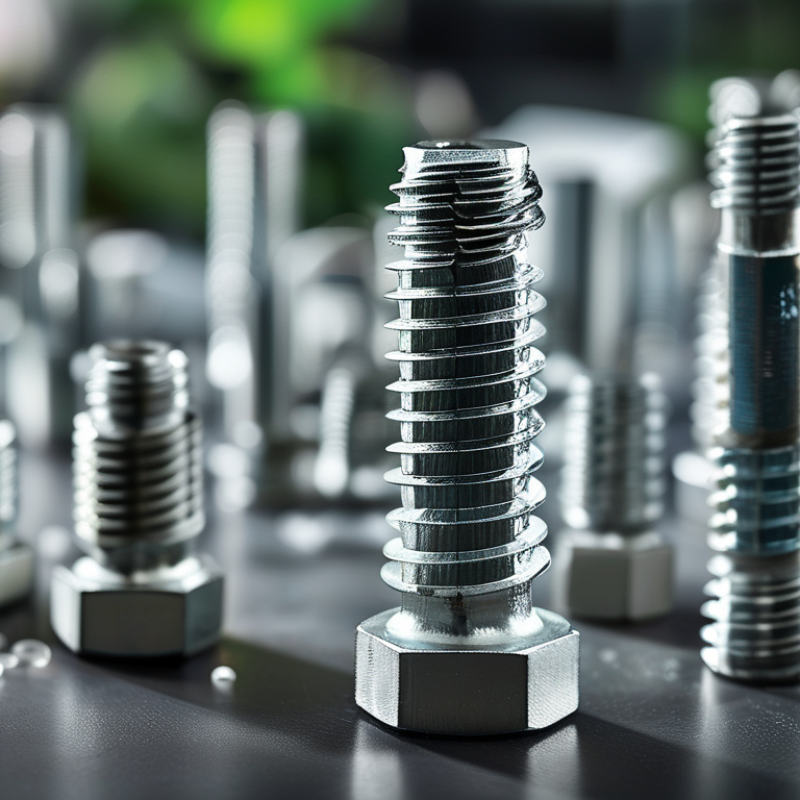
China Best 316l Hygienic Bolts for Global Buyers?

Overview of 316L Hygienic Bolts in China

In China, 316L hygienic bolts are increasingly popular among industries requiring high cleanliness. These bolts are made from low carbon stainless steel. This material resists corrosion and maintains structural integrity. It is particularly suited for food processing, pharmaceuticals, and biotechnology.

Manufacturers in China offer a wide range of 316L hygienic bolts. Their designs cater to various applications. Some bolts provide easy cleaning features, while others focus on durability. Buyers often seek specific dimensions and finishes. However, the variability in quality can pose challenges. Not all suppliers maintain the same standards.

The importance of proper specifications cannot be overstated. It ensures that the bolts perform correctly in critical environments. While many manufacturers strive for excellence, discrepancies do exist. Buyers should conduct thorough research and ask for certifications. Real-world testing can further highlight potential issues. This approach fosters a more reliable supply chain for global buyers.

Key Features of 316L Stainless Steel for Hygienic Applications

316L stainless steel is a favorite choice in hygienic applications. Its low carbon content enhances resistance to corrosion. This makes it suitable for environments like food processing and pharmaceuticals. These sectors require stringent hygienic standards. Using appropriate materials is crucial for safety.

The key features of 316L stainless steel are its durability and strength. It can withstand extreme temperatures and aggressive cleaning agents. This versatility is vital in maintaining hygiene. In many cases, however, sourcing high-quality bolts can be tricky. Buyers must be cautious about the suppliers they choose.

Not all products labeled as 316L are the same. Variations in composition can affect performance. Buyers should consider certifications and material traceability. These factors ensure reliability in critical applications. It's a complex market, but informed choices lead to better outcomes.

Key Features of 316L Stainless Steel for Hygienic Applications

Comparison of Global Suppliers for 316L Hygienic Bolts

When exploring the market for 316L hygienic bolts, it’s crucial to analyze global suppliers. Recent industry reports indicate that 316L stainless steel is favored for its excellent corrosion resistance and durability. This material is essential in industries like food processing and pharmaceuticals, where hygiene is paramount.

A comparative analysis shows that suppliers in China, Europe, and North America each have unique strengths. Chinese manufacturers often provide competitive pricing due to lower production costs. However, quality can be variable, depending on the sourcing and production practices. On the other hand, European suppliers are recognized for their rigorous quality control, yet their prices tend to be higher.

Data from a recent industry survey reveals that approximately 70% of buyers prioritize reliability and quality over cost alone. This is essential when selecting a supplier for critical applications. Conducting thorough research and vetting suppliers can significantly impact end-product performance and compliance with international standards.

Applications and Industries Utilizing 316L Hygienic Bolts

316L hygienic bolts are essential components in various industries. Their resistance to corrosion and high temperatures makes them suitable for applications in food processing, pharmaceuticals, and biotechnology. In food processing facilities, these bolts ensure the safety and cleanliness of equipment. They prevent contamination and are easy to clean, which is crucial in maintaining hygienic standards.

Pharmaceutical companies also rely on 316L hygienic bolts. They work in environments where cleanliness is paramount. Using these bolts ensures that equipment remains uncontaminated during production. Moreover, in the biotechnology sector, these bolts must withstand harsh conditions. They play a critical role in maintaining the integrity of bioreactors and other systems.

In many instances, attention to detail is vital for success in these industries. However, not all manufacturers provide the same level of quality. It's essential for buyers to research suppliers and verify certifications before purchasing. The wrong choice can lead to serious issues, such as equipment failure or contamination. Understanding the specific needs of each application can help ensure the right materials are used.

Quality Standards and Certifications for Hygienic Fasteners in China

In recent years, the global demand for hygienic fasteners has surged, especially in the food and pharmaceutical industries. China's 316L stainless steel bolts meet rigorous quality standards. This material is known for its excellent resistance to corrosion. It is ideal for applications in highly regulated environments.

Quality certifications are crucial for hygienic fasteners. Many manufacturers in China comply with international standards like ISO 9001 for quality management. They also obtain certifications such as FDA, which ensures materials are safe for food contact. According to industry reports, about 70% of global buyers prefer products with these certifications. This trend reflects an increasing emphasis on hygiene and safety in industrial practices.

Despite the strong manufacturing capabilities, some challenges persist. Quality control can vary greatly among suppliers. Issues like inconsistent surface finishes or incomplete certifications have been reported. These lapses highlight the importance of due diligence when selecting suppliers. Conducting thorough audits can help mitigate risks. Ensuring the right certifications and quality practices is vital for maintaining hygienic standards.

China Best 316L Hygienic Bolts for Global Buyers

Dimension (mm) Material Grade Surface Treatment Certification Hygienic Standard
M6 316L Passivation ISO 9001 FDA
M8 316L Electropolished AS 9120 USP Class VI
M10 316L Bead Blasted ISO 13485 3A Sanitary
M12 316L Polished EAC EU Regulation 1935/2004

Our dedicated sales and support staff are here to help you identify the ideal pump solution for your needs.

Contact Us