China Top Oil Pump for Gear Oil Suppliers and Prices

Choosing a dependable oil pump for gear oil requires more than comparing catalog prices. Chinese manufacturers offer many pump designs for industrial gearboxes, lubrication skids, construction equipment, and automated transmission systems. Their differences appear in flow stability, pressure tolerance, sealing quality, materials, and service support.

This guide examines China’s leading suppliers and their typical price factors. It considers pump displacement, motor configuration, gear accuracy, housing materials, and connection standards. Real purchasing decisions often begin with a small detail, such as whether the pump handles cold, high-viscosity oil during winter startup. That detail can affect energy use and equipment protection. Price alone misleads.

Supplier experience matters. Established manufacturers should provide technical drawings, performance curves, inspection records, and clear warranty terms. Buyers should also ask about factory testing, replacement parts, delivery schedules, and customization limits. A low quotation may exclude motors, controllers, fittings, or export packaging. That difference becomes expensive later.

Reliable information should come from manufacturer documentation, verified project experience, and practical testing. Product photos help, but they cannot confirm actual flow performance. We may still miss important differences when suppliers describe specifications inconsistently. Therefore, this overview encourages careful comparison rather than quick selection. It connects supplier capability with application requirements, helping buyers judge value, reliability, and long-term operating cost. The strongest option is not always the cheapest pump. It is the one that delivers stable lubrication, manageable maintenance, and documented performance under real working conditions.
China Top Oil Pump for Gear Oil Suppliers and Prices

Gear Oil Pumps: Definition, Function, and Main Applications

China Top Oil Pump for Gear Oil Suppliers and Prices

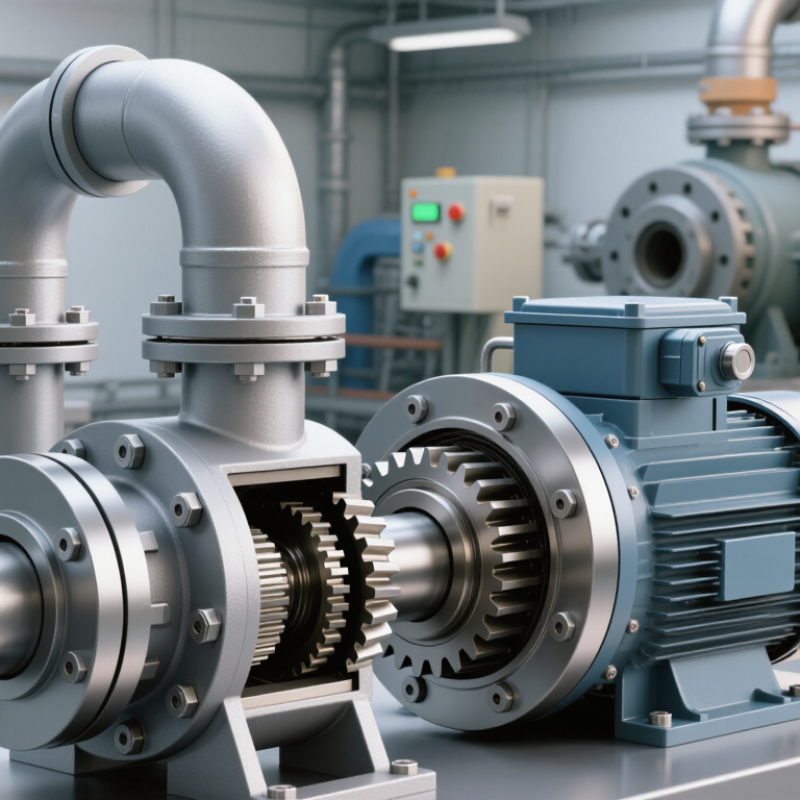
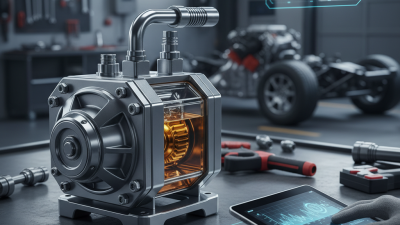
A gear oil pump is a positive-displacement device designed to move thick lubricating oil. It uses meshing gears to capture oil and carry it from the inlet to the outlet. This controlled movement supports steady lubrication, even at low rotational speeds. External gear pumps are common because they offer simple construction, reliable pressure, and practical maintenance. Internal gear designs can provide smoother flow and quieter operation.

The pump’s main function is not merely transferring oil. It must maintain sufficient flow through narrow passages, remove heat, and protect gears from direct metal contact. Viscosity, operating temperature, pressure, and motor speed strongly affect performance. For example, cold gear oil may resist movement and increase starting torque. A relief valve can protect the system when a filter becomes blocked. This detail is often overlooked.

These pumps serve industrial reducers, conveyor drives, agricultural machinery, automotive transmission systems, and wind-power gearboxes. In a factory, a properly selected pump can deliver oil through a small pipe to bearings and gear teeth. Buyers comparing Chinese suppliers should check flow stability, material compatibility, sealing quality, test records, and spare-part availability. Price alone can mislead. A cheaper pump may consume more energy or wear faster. Even experienced engineers sometimes select by rated flow only, which is an imperfect method. The actual duty cycle and oil temperature deserve closer review.
Types of Oil Pumps Used in Gear Oil Systems

China Top Oil Pump for Gear Oil Suppliers and Prices

Gear oil systems need pumps that match viscosity, temperature, and circulation distance. External gear pumps are common for compact lubrication units. Their simple teeth create steady flow and tolerate moderate pressure. Internal gear pumps handle thicker oil with lower pulsation. They are often suitable for reducers and enclosed gearboxes.

Screw pumps provide smoother delivery and lower noise. This matters when oil travels through long pipes or cooling circuits. Twin-screw designs can also manage certain contaminated fluids, but filtration remains essential. Vane pumps offer quiet operation, although their sliding parts may wear faster with dirty gear oil. Centrifugal pumps suit high-flow, low-pressure circulation. They are less effective with cold, highly viscous oil.

Flow is not the only buying factor. The U.S. Department of Energy reports that pumping systems may consume 25% to 50% of industrial electricity. Correct sizing can therefore reduce wasted power. The Hydraulic Institute also emphasizes efficiency testing, system curves, and operating-point control. These details affect supplier prices more than the pump body alone. Material, seal design, motor rating, filtration, and spare parts change the final quotation.

Field experience shows a common mistake: choosing by pressure only. That approach is incomplete. Cold-start viscosity can overload the motor. I would check oil temperature, actual flow, suction conditions, and duty cycles before comparing suppliers. ISO 6743-6 classifications help identify suitable industrial gear lubricants, but site testing still matters. Laboratory figures can look excellent. Real piping may disagree.

Key Factors for Selecting a Chinese Gear Oil Pump Supplier

China Top Oil Pump for Gear Oil Suppliers and Prices

Selecting a Chinese gear oil pump supplier requires more than comparing unit prices. Start with the oil’s viscosity, operating temperature, required flow, and discharge pressure. A pump designed for thin lubricant may struggle with heavy gear oil, especially during cold starts. Confirm the pump type, displacement, speed range, and motor compatibility from technical drawings.

Ask suppliers for material details, seal options, performance curves, and documented factory testing. Cast iron, stainless steel, and hardened gear materials suit different environments. Seal quality matters when oil temperatures rise or dust enters the installation area. Request a sample or inspection report before placing a large order. Clear tolerances matter.

Supplier reliability also deserves close attention. Review production capacity, quality-control procedures, traceability records, and export experience. A responsive engineer can explain pressure loss and noise limits without avoiding difficult questions. Check whether spare parts, manuals, and installation support are available. These details reduce delays after delivery.

Price should include more than the pump itself. Calculate shipping, motor selection, replacement seals, testing, and possible downtime. A low quote can look attractive. It may also hide thinner materials or incomplete testing. I would compare two or three written offers using the same specifications. Even then, assumptions remain. Recheck the flow rate, because many selection mistakes begin with an optimistic estimate.

China Top Oil Pump for Gear Oil Suppliers and Prices - Key Factors for Selecting a Chinese Gear Oil Pump Supplier
Practical comparison benchmarks for industrial gear-oil pump sourcing
Selection Dimension Common Options or Benchmark Typical Technical Data Indicative China Export Price What to Verify Before Ordering
Pump Type External gear pump Positive-displacement design; suitable for lubricating oils and gear oils with stable viscosity. US$80–450 per unit Confirm displacement, pressure rating, shaft configuration, rotation direction, and relief-valve arrangement.
Pump Type Internal gear pump Low-pulsation operation; generally suitable for higher-viscosity lubricants and continuous transfer. US$350–2,000 per unit Check viscosity range, heating requirements, minimum speed, seal material, and allowable differential pressure.
Pump Type Electric drum or transfer pump Compact solution for oil drums, intermediate bulk containers, and maintenance operations. US$90–650 per set Verify motor protection, hose length, nozzle type, power supply, and compatibility with the oil container.
Flow Rate Small equipment and maintenance transfer 5–30 L/min Usually included in the pump price Ask for measured flow at the actual gear-oil viscosity rather than water-based test data only.
Flow Rate Industrial lubrication and circulation 30–150 L/min Typically US$250–1,500 per unit Match flow to system demand and confirm whether the stated capacity is theoretical or rated operating flow.
Flow Rate High-capacity oil transfer 150–500 L/min Typically US$1,200–5,000 per unit Review motor power, inlet diameter, suction conditions, pressure loss, and installation requirements.
Operating Pressure Low-pressure transfer Approximately 2–6 bar Often available in standard configurations Confirm continuous working pressure and maximum pressure separately; do not size from maximum pressure alone.
Operating Pressure Medium-pressure lubrication circuits Approximately 6–16 bar Often US$180–1,800 per unit Request pressure-flow curves, relief-valve settings, and test results at the intended oil temperature.
Gear-Oil Viscosity Light to medium gear oils Approximately 100–680 cSt at operating temperature Normally no major price premium Provide the oil grade, minimum start-up temperature, normal temperature, and maximum viscosity to the supplier.
Gear-Oil Viscosity High-viscosity industrial lubricants Approximately 680–5,000 cSt, depending on pump design and temperature May add US$100–1,000 for heating or special sealing Check cold-start torque, inlet heating, speed limits, and whether the pump requires a bypass line.
Construction Material Cast iron or ductile iron housing Common for general industrial gear-oil transfer applications Typically the lowest-cost configuration Confirm corrosion protection, surface treatment, hardness, and compatibility with additives in the oil.
Construction Material Carbon steel or stainless-steel wetted parts Selected for demanding environments, cleanliness requirements, or improved corrosion resistance. Usually 15%–60% above cast-iron configurations Request a complete wetted-parts list, material certificates, and information about weld or casting quality.
Seal and Elastomer Nitrile rubber, fluoroelastomer, or PTFE-based sealing Selection depends on oil chemistry, temperature, pressure, and service life requirements. Special seal packages may add US$10–150 Confirm seal temperature range and compatibility with synthetic oils, additives, and cleaning fluids.
Drive Configuration Bare-shaft pump Requires coupling, motor, base, and suitable alignment. US$80–1,800 per pump Check shaft diameter, keyway, mounting dimensions, rotation direction, and coupling recommendation.
Drive Configuration Motor-mounted pump package Ready-to-install assembly with motor and, where required, baseplate or coupling guard. US$250–4,500 per set Specify voltage, frequency, phase, motor efficiency class, enclosure rating, and local electrical standards.
Speed Control Fixed-speed motor Simple and economical operation for stable flow requirements. Usually the lowest package cost Confirm rated speed and ensure the pump will not exceed its allowable speed under all operating conditions.
Speed Control Variable-frequency drive compatible Allows flow adjustment and can reduce energy use in variable-demand systems. Typically adds US$100–800 for drive and controls Request the minimum stable speed, maximum speed, motor compatibility, and control-interface details.
Quality Documentation Standard commercial documentation Datasheet, dimensional drawing, operating manual, packing list, and basic test record. Usually included Ensure documents identify the exact model, materials, performance data, and inspection criteria.
Quality Documentation Inspection and traceability package Material certificates, pressure test, performance test, inspection report, and serial-number records. May add US$50–500 per order Agree on inspection scope, sampling level, acceptance limits, and responsibility for third-party inspection fees.
Order Quantity Sample or single-unit order Suitable for fit, flow, viscosity, and installation validation. May carry a 10%–30% unit-price premium Ask whether the sample price can be credited against a later production order.
Order Quantity Small production batch Commonly 5–50 units, depending on model and customization. Often receives a 3%–12% volume adjustment Confirm lead time, spare-parts availability, packaging consistency, and batch-level testing.
Lead Time Standard configuration Approximately 7–30 calendar days after technical confirmation and payment. Normally included in the quoted price Clarify whether lead time starts after payment, drawing approval, or receipt of technical information.
Lead Time Customized or motorized package Approximately 25–60 calendar days, depending on materials, motor availability, and testing. Customization may add 5%–25% Request a production schedule and define delay remedies in the purchase agreement.
Warranty Standard limited warranty Commonly 12–18 months from shipment or 12 months from commissioning, subject to contract terms. Usually included Define covered parts, exclusions, response time, replacement procedure, and responsibility for return freight.
Total Cost of Ownership Purchase price plus operating and maintenance costs Includes energy consumption, seal replacement, spare parts, downtime, freight, duties, and commissioning. Can exceed the initial pump price over the service life Compare efficiency, service intervals, spare-parts pricing, repairability, and technical support—not price alone.
Price ranges are indicative export-market estimates in U.S. dollars for standard industrial configurations. Final pricing depends on pump size, materials, motor, seals, controls, testing, order quantity, packaging, shipping terms, and customization. Technical values should be confirmed against the supplier’s datasheet and application-specific performance curve.

China’s Leading Gear Oil Pump Suppliers and Manufacturing Strengths

China has become a major sourcing base for gear oil pumps used in reducers, compressors, and industrial lubrication systems. Leading suppliers combine machining capacity with practical application knowledge. Their factories commonly produce external gear, internal gear, and high-pressure transfer pump designs.

Manufacturing strength often starts with controlled machining. CNC lathes shape shafts, housings, and gear teeth with consistent tolerances. Some facilities use cast iron, stainless steel, or aluminum alloys for different temperature and corrosion requirements. Assembly lines check shaft rotation, seal seating, and clearance before shipment. Test benches measure flow, pressure, noise, and leakage under working conditions.

Small details matter.

Experienced suppliers usually provide drawings, material records, inspection reports, and performance curves. They can adjust inlet sizes, drive connections, seal materials, and mounting dimensions for specific equipment. However, catalog figures may not match actual field performance. Oil viscosity, temperature, suction distance, and installation alignment can change results. This is where supplier communication becomes important.

A reliable purchasing process should include sample testing and clear acceptance standards. Buyers can request serial traceability, batch inspection, and pressure-test records. Factory audits may reveal differences between polished sales documents and real production control. Some suppliers remain strong in machining but weaker in documentation or after-sales response. That weakness deserves attention before a large order.

Gear Oil Pump Prices, Cost Factors, and Purchasing Considerations

Gear oil pump prices from Chinese suppliers vary widely, usually between USD 80 and USD 1,500. The final cost depends on flow rate, pressure, materials, seals, and motor configuration. Cast iron models often cost less. Stainless steel versions handle harsher working conditions and usually cost more.

A practical quotation should include the pump body, drive unit, coupling, seals, testing, and packaging. Some suppliers list only the bare pump, which can make the offer look cheaper. Ask for a complete technical sheet before comparing prices. Experienced buyers also check viscosity range, inlet size, outlet size, noise level, and estimated service life. A lower price may hide weaker bearings or limited support. I have seen this mistake delay a production line. Supplier reliability matters as much as the initial cost.

Tips: Request three comparable quotations. Share your oil viscosity and operating temperature. Confirm spare-part availability and warranty terms. Ask for test records and delivery details. Do not select the cheapest offer automatically; an unplanned replacement can cost more than the original pump. Also, review payment terms carefully. They can affect the real purchasing cost, especially for customized gear oil pumps.

China Gear Oil Pump Price Benchmarks by Pump Type

Indicative industrial purchasing ranges in USD per pump. Actual prices vary with flow rate, pressure, materials, motor configuration, certification, and order quantity.

Internal and external gear pumps are commonly selected for standard gear-oil transfer applications, while jacketed, high-temperature, and magnetic-drive designs generally cost more because of specialized sealing, cooling, or construction requirements. The bars represent midpoint benchmark prices, and the tooltips show the corresponding typical price ranges.

Our dedicated sales and support staff are here to help you identify the ideal pump solution for your needs.

Contact Us