
In the world of industrial vacuum technology, Roots Vacuum Pumps play a crucial role. Leading experts like Dr. Emily Chen emphasize their significance. She states, “The efficiency of Roots Vacuum Pumps can transform a manufacturing process.” This captures the essence of their impact on various sectors.
Despite the advancements, challenges still persist in the Roots Vacuum Pump industry. Suppose manufacturers do not continuously innovate. In that case, they risk falling behind in an increasingly competitive market. Many suppliers are improving designs, aiming for higher efficiency and better performance.
Companies that prioritize quality and customer feedback stand out. As the industry evolves, it becomes vital for suppliers to adapt to clients' needs. This alignment can lead to remarkable enhancements in performance and reliability. Growing demands for eco-friendly solutions also push manufacturers to rethink their strategies. A commitment to sustainable practices is now essential.
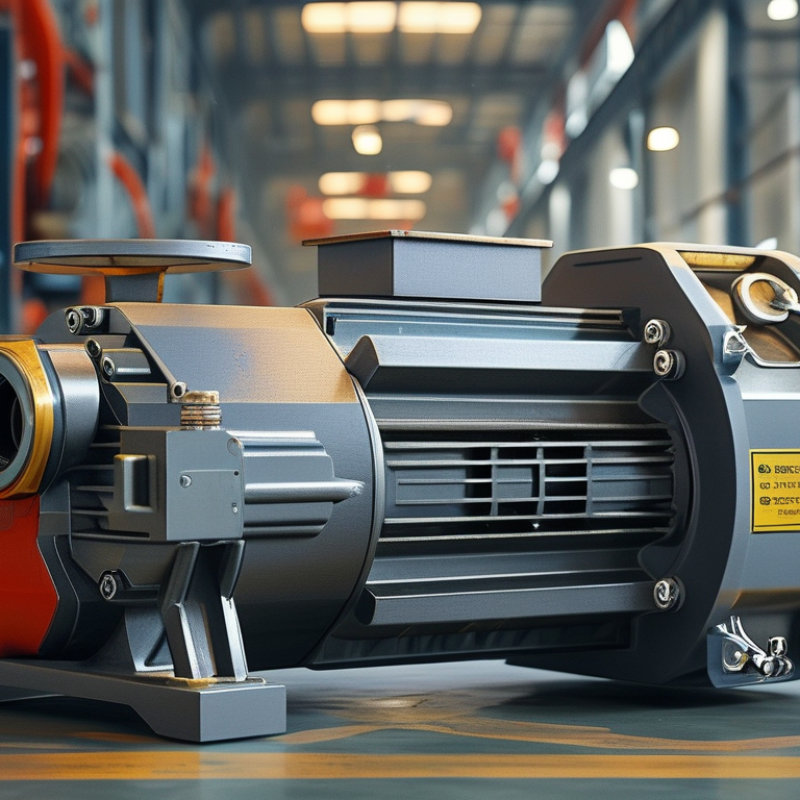
Roots vacuum pumps play a crucial role in various industrial applications. Their efficiency makes them ideal for processes requiring deep vacuum levels. Industries such as food packaging, semiconductor manufacturing, and pharmaceuticals rely heavily on these pumps. A report indicates that the global roots vacuum pump market is expected to grow significantly, with an estimated CAGR of 6.1% through 2025. This growth is driven by the increasing demand for vacuum solutions in diverse sectors.
These pumps operate by using two rotors that create a vacuum. This design allows for a continuous flow of gas with minimal pulsation. The ability to operate without lubricants enhances their appeal, particularly in clean environments. However, while roots vacuum pumps are efficient, they can have limitations. Issues such as sensitivity to dust and vapor can hinder performance. Regular maintenance is essential to mitigate these challenges.
Tips for effective use include ensuring proper inlet designs and reducing contaminants in the vacuum path. Proper sizing is critical to achieve optimal results. Selecting a pump that matches the application requirements can significantly enhance efficiency and lifespan. Users should also monitor temperature and vibrations during operation. Regular checks can prevent costly downtimes and ensure consistent performance.
When selecting a Roots vacuum pump, key features significantly influence performance and reliability. A high-quality pump should provide a stable pumping speed and low energy consumption. Reports from industry experts indicate that energy-efficient models can reduce operational costs by up to 30%. Silent operation is another aspect, ensuring minimal noise disruption during use.
Consider a pump with robust materials and excellent sealing technology. These qualities prevent leaks and enhance lifespan. The choice of bearings also plays a critical role; ceramic bearings tend to offer higher durability under varying thermal conditions. Industry studies have shown that pumps with better thermal resistance reduce maintenance frequencies and costs.
Choosing a reputable manufacturer is essential. Look for companies with proven track records in delivering reliable products. Customers often cite consistent performance as a crucial purchasing factor. Regular maintenance is recommended to maintain efficiency. Routine checks help identify wear early, prolonging equipment life.
China has become a hub for manufacturing Roots vacuum pumps. These pumps are vital for many industrial applications, including semiconductor fabrication and food packaging. Major manufacturers in this sector emphasize innovation and efficiency. Supply chains are often robust, helping ensure timely delivery.
When choosing a supplier, consider their experience and production capacity. Some manufacturers focus on high-quality components, while others may prioritize cost saving. It's essential to evaluate what matters most for your needs. Conducting thorough research can uncover details that may not be immediately obvious.
Working with reliable suppliers is crucial. However, many clients overlook this aspect. A poor choice can lead to subpar equipment and additional costs later. Regularly assessing supplier performance helps mitigate risks. It’s also wise to seek transparency in communication and service. This strategy can foster long-term partnerships beneficial for growth.
| Manufacturer | Location | Year Established | Annual Production Capacity (Units) | Export Markets |
|---|---|---|---|---|
| Manufacturer A | Beijing | 1998 | 5000 | North America, Europe |
| Manufacturer B | Shanghai | 2005 | 3000 | Asia, Oceania |
| Manufacturer C | Guangzhou | 2010 | 7000 | Europe, Africa |
| Manufacturer D | Shenzhen | 2015 | 8000 | North America, Asia |
| Manufacturer E | Nanjing | 2000 | 6000 | Latin America, Europe |
China's vacuum pump market is diverse. Many manufacturers focus on different technologies and applications. Among them, Roots vacuum pumps are crucial for various industries. They offer reliable performance for material handling and gas transfer. A comparison of top brands shows different strengths in design, efficiency, and durability.
When evaluating these brands, consider their operational efficiency. Some may excel in high-speed operations, while others are better for low-maintenance needs. Pay attention to energy consumption as well. Efficient models can lead to cost savings over time.
Choosing the right supplier matters. Look for manufacturers with a solid reputation. Research customer reviews and feedback. Experience and after-sales support are also vital for long-term satisfaction. Don’t rush this decision—take the time to evaluate each option thoroughly.
When selecting a Roots vacuum pump supplier, several factors come into play. Understanding the supplier's experience is crucial. A well-established supplier often has a track record of customer satisfaction. It's essential to review their previous projects and client testimonials. This background provides insight into their reliability and expertise in the industry.
Quality product features should also be a priority. Look into the materials used in their pumps. Durable components reflect a commitment to excellence. Verify the technical specifications as well. This ensures the pump meets the operational needs of your application. Performance metrics like airflow capacity and motor efficiency can heavily influence your choice.
Consider the level of customer support as well. A trustworthy supplier should offer technical assistance and various warranty options. This shows a dedication to customer satisfaction. Don't hesitate to ask questions about service and maintenance. Lack of transparency might indicate potential issues in the long run. Choosing a supplier is a reflective process that requires careful consideration of these elements.
We are here to help you with all your queries and concerns, just write to us using the below form and we will get back to you as soon as we can.