
When considering networking solutions, the choice of transceiver technology is crucial. The 10g Copper Sfp offers a blend of performance and reliability that many enterprises seek. Unlike its fiber counterparts, this option provides a cost-effective solution for short-distance connections. It is particularly effective in environments where copper cabling is already in use.
Choosing the 10g Copper SFP can enhance your network by delivering seamless data transfer. Its ease of installation and compatibility with existing systems makes it a preferred choice among network professionals. However, it’s vital to evaluate specific networking needs. The 10g Copper SFP may not be suitable for every situation. Reflecting on factors like distance, bandwidth, and future scalability can guide your decision.
Investing in the right technology is essential for optimizing performance and minimizing downtime. While the 10g Copper SFP is a solid option, careful consideration of your unique requirements will lead to better networking solutions. Understanding the nuances of this technology can empower your organization to make informed choices.
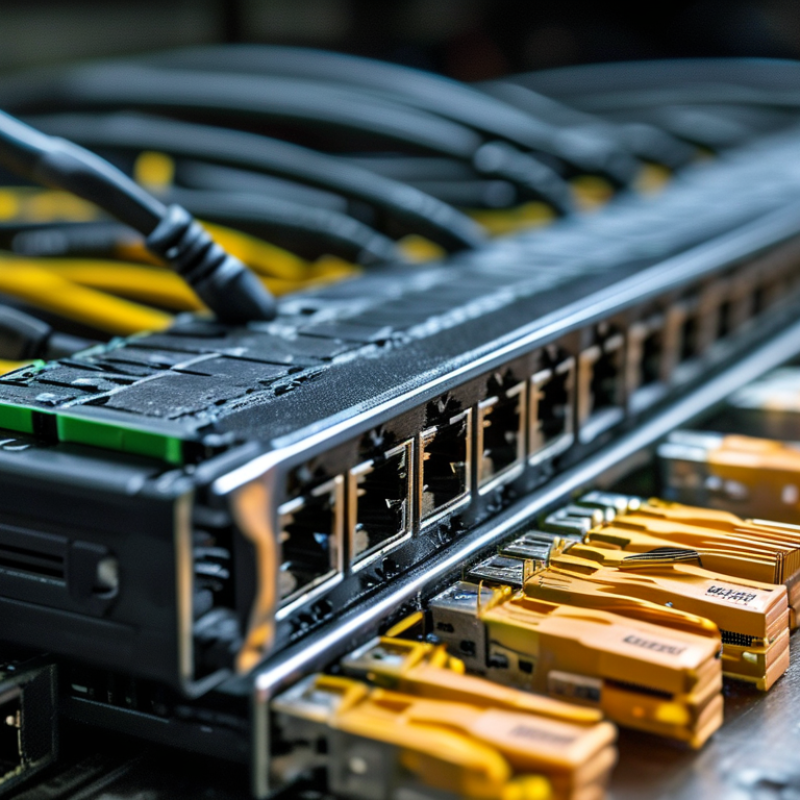
The adoption of 10G Copper SFP is increasingly popular in today's networking landscape. This technology supports high-speed data transfers over copper cabling, offering an affordable solution for businesses seeking advanced networking capabilities. Reports indicate that copper cabling can reduce installation costs significantly. According to a recent industry survey, 10G Copper SFP installations can be up to 50% less expensive compared to fiber optics in certain environments.
One major benefit of 10G Copper SFP is its flexibility. It easily integrates into existing infrastructure. Companies often face challenges during upgrades. However, 10G Copper SFP allows seamless transitions without extensive rewiring. This flexibility can lead to expedited deployment times, a crucial aspect for businesses looking to innovate rapidly. A study from the Ethernet Alliance shows that more than 70% of organizations favor copper solutions for short-distance connections due to their reliable performance.
Despite its advantages, it's essential to consider the limitations of 10G Copper SFP. For example, it generally has a shorter distance range compared to fiber optics. Users may need to assess their networking environment carefully before making decisions. The 100-meter maximum distance can be a drawback in larger facilities. Yet, the balance of affordability, efficiency, and ease of use makes 10G Copper SFP a compelling choice in various scenarios.
When considering networking options, 10g Copper SFP transceivers stand out for their efficiency and versatility. Compared to fiber transceivers, copper options are often more cost-effective and require less installation complexity. They support shorter distances, making them ideal for data centers and enterprise environments. Furthermore, the copper cabling used with these transceivers is widely available and easier to handle.
Depending on your networking needs, weighing the benefits of 10g Copper SFP against other types is crucial. For example, while fiber transceivers offer higher distances and data rates, they come with additional costs. Copper allows for easier maintenance, as technicians can quickly troubleshoot issues without specialized training. It's worth noting that copper may not be suited for all environments, especially those requiring high data integrity over longer distances.
Consider these aspects when making your decision. Ensure your network's architecture aligns with the capabilities of 10g Copper SFP transceivers. Reflect on your specific requirements before committing to a solution. This can prevent future complications and promote optimal performance.
When selecting 10g Copper SFP modules, several key features require careful consideration. The most critical aspects include compatibility, cable length, and power consumption. Compatibility with existing network equipment ensures seamless integration. Many reports indicate that nearly 70% of network downtime stems from equipment mismatches. Therefore, confirming that the selected SFP module matches the network switch or router specifications is vital.
Cable length plays a significant role in network performance. Copper SFP modules typically support distances of 1 to 100 meters, depending on the quality of the cabling. A study by the Institute of Electrical and Electronics Engineers (IEEE) highlighted that network efficiency can diminish as distance increases. Thus, measuring the environment properly before deployment is essential.
Additionally, power consumption is a factor often overlooked. While 10g Copper SFP modules are more economical than fiber counterparts in short-range applications, their operational costs can add up. Research from the Telecommunication Industry Association (TIA) suggests that energy costs can account for up to 30% of overall network expenses. It is prudent to evaluate the energy efficiency of each potential module to ensure a balance between initial costs and long-term savings.
Businesses often face the challenge of selecting the right networking equipment. One effective solution is the 10g Copper SFP. This technology is versatile and suits different networking scenarios.
In large office environments, 10g Copper SFP modules simplify connections between servers and switches. They can stretch over significant distances, up to 100 meters. This is ideal in spaces where fiber optic cables may be excessive. With a copper solution, installation becomes easier and less costly.
Furthermore, in data centers, these modules serve to enhance the performance of existing infrastructure. They provide high-speed data transmission, critical for applications like cloud services and virtualization. However, in high-interference environments, careful planning is necessary. This is a point where reflection on specific use cases and setup conditions can improve reliability.
The cost-effectiveness of 10G Copper SFP solutions is a crucial factor for many organizations. According to a report by MarketsandMarkets, the global market for SFP modules is expected to reach $5.7 billion by 2025. This growth highlights the increasing recognition of copper SFPs due to their affordability and ability to meet high-speed demands. Traditional fiber optics can be costly, with installation and maintenance expenses that add up quickly. In contrast, 10G Copper SFP modules offer an efficient and budget-friendly alternative.
One notable advantage is their plug-and-play feature, which simplifies deployment and reduces labor costs. A study by the Ethernet Alliance shows that 10G Copper SFPs can save up to 30% in total cost of ownership compared to fiber solutions. The simplicity of using existing copper cabling in many networks enhances value. However, high temperatures and distances over 30 meters can challenge performance. Organizations must weigh these trade-offs carefully.
The competitive landscape continually evolves. Many companies may overlook the long-term benefits of 10G Copper SFPs in fast-paced tech environments. Investing in reliable copper solutions may enhance operational efficiency. Ultimately, the decision should align with specific networking needs and budget constraints. Recognizing that not all environments suit copper technology is fundamental. Understanding your specific scenario helps make a more informed choice.
We are here to help you with all your queries and concerns, just write to us using the below form and we will get back to you as soon as we can.