
How to Choose the Best Concrete Batching Plant for Your Needs?

Choosing the right Concrete Batching Plant is crucial for project success. The right plant can enhance productivity and ensure quality. Several factors are important to consider.

First, assess your project needs. Consider the volume of concrete required and any specific mix designs. Each Concrete Batching Plant offers different capacities and functionalities. Research various models and their features. Some plants emphasize speed, while others focus on precision.

Additionally, reliability matters. Examine the manufacturer’s reputation and customer feedback. A trusted brand often provides better support and parts availability. Look for plants that offer advanced technology. This can improve efficiency and reduce waste. Make informed decisions to invest wisely in your operations.
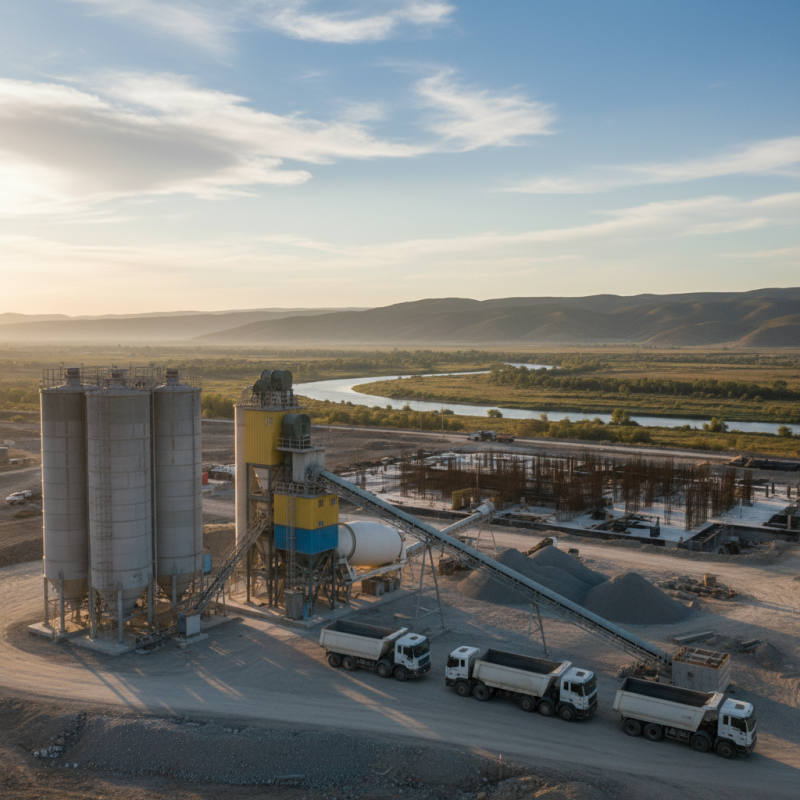
How to Choose the Best Concrete Batching Plant for Your Needs?

Factors to Consider When Choosing a Concrete Batching Plant

Choosing the right concrete batching plant is crucial for project success. Several key factors can guide decision-making. One important aspect is production capacity. According to the National Ready Mixed Concrete Association, plants can produce an average of 40 to 120 cubic yards per hour. This varies by project requirement and site conditions.

Another critical factor is the location of your plant. Proximity to sources of raw materials lowers transportation costs and delays. A report from the Federal Highway Administration suggests that reducing transport time can improve overall project efficiency by up to 30%. However, it’s essential to evaluate the accessibility of these locations to avoid future logistical challenges.

Compliance with local regulations can significantly impact your choice. Each region has its standards regarding noise, emissions, and waste management. Ignoring these can lead to costly penalties. Assessing maintenance needs and the plant's lifespan is also vital. Regular upkeep influences reliability and operational efficiency, which are often overlooked in initial planning phases.

How to Choose the Best Concrete Batching Plant for Your Needs?

Factor Details
Production Capacity Determine the required output per hour or day based on project needs.
Type of Plant Choose between stationary, mobile, or modular batching plants depending on site conditions.
Mixing Technology Evaluate different mixing methods such as twin-shaft, planetary, or drum mixers.
Automation Level Consider the degree of automation required for efficiency and operator comfort.
Site Requirements Assess space availability and site accessibility for installation.
Budget Determine the financial limits including purchase, installation, and operational costs.
Maintenance and Support Verify availability of spare parts, service support, and warranty terms.
Compliance and Certification Ensure the plant meets local regulations and industry standards.

Types of Concrete Batching Plants and Their Specific Uses

When choosing a concrete batching plant, it's crucial to understand the different types available. Each serves specific purposes. For small to medium projects, a mobile batching plant is ideal. It offers flexibility and can be easily transported to various job sites. This makes it a favorite for contractors handling multiple projects.

For larger operations, a stationary batching plant is often more efficient. These plants are designed for high-capacity production and can handle bulk materials. They usually require a larger footprint and are best suited for projects with a continuous demand for concrete. Nonetheless, they may lack the mobility of smaller plants, which can be a drawback.

In some cases, a compact batching plant is the right choice. Its design combines functionality and space-saving features. Yet, it may not suit all project requirements due to limited output. Evaluating your project scale and needs is essential. Consider factors like site conditions, production volume, and budget constraints. Each plant type has pros and cons that can impact overall efficiency and cost.

Key Features to Look for in a Concrete Batching Plant

When selecting a concrete batching plant, several key features warrant attention. Start with the capacity that matches your project demands. A small project may not need a large plant. Conversely, large-scale operations require higher output. Assessing the production speed can also enhance efficiency. Some plants may take longer to produce batches, which could delay your project timeline.

Another essential aspect is the automation level of the plant. Fully automated systems often reduce labor costs and improve consistency. However, they may also come with a steep learning curve. Consider your team's expertise. Manual controls are easier to operate but can lead to inconsistencies in batch quality. Evaluating the plant’s size and footprint is crucial too. Limited space may restrict your options but can aid in cost-efficiency.

Additionally, think about the ease of maintenance. Complex systems may require specialized technicians for repairs. This can introduce delays during breaks and high costs. Look for accessible components, promoting quicker fixes and regular upkeep. Although it might seem challenging to find a balanced plant that meets all criteria, aligning these features with your specific needs can lead to better project outcomes.

Evaluating Your Production Needs and Capacity Requirements

When selecting a concrete batching plant, it's crucial to evaluate your production needs and capacity requirements. Begin by assessing your current projects. Are you dealing with small, medium, or large-scale operations? Understanding the scope of your work will help you determine the necessary production volume. Analyze how many cubic meters of concrete you need daily or weekly. This information is vital in deciding which batching plant suits your specific workload.

Consider peak demand periods for your projects. How often do you require higher outputs? A reliable batching plant must meet these surges without compromising quality. Keep in mind the space and resources available at your facility. Sometimes, limited space can restrict the type of plant you choose. It may call for a more compact design, which fits tighter areas yet maintains efficiency.

Don't overlook potential future growth. A plant that meets your current needs may not satisfy expanding production demands. Reflect on industry trends and your long-term business goals. This foresight can guide you in selecting a plant that remains relevant as your needs evolve. Remember to weigh the pros and cons of flexibility against the cost. This balance is vital for making the best investment.

Budgeting for Your Concrete Batching Plant Purchase and Maintenance Costs

When budgeting for a concrete batching plant, consider both initial purchase costs and long-term maintenance expenses. Industry data suggests that the acquisition cost for a mid-range concrete batching plant typically ranges from $50,000 to $120,000, depending on its output capacity and features. Understanding what you can afford is crucial for making an informed decision.

Maintenance costs can also add up quickly. Regular maintenance might run from $2,000 to $5,000 annually. This figure varies based on plant size and usage. Over time, parts may need replacement, and repairs could be necessary due to wear and tear. It's important to set aside 3-5% of your initial investment annually for these inevitable costs.

Additionally, a common oversight is underestimating operational expenses. Fuel, electricity, and labor can significantly impact your budget. In many cases, these costs account for 30% or more of the total operational expenses. Addressing these variables early can prevent financial strain later. Making a projection for at least three to five years can provide better clarity. Remember, unplanned costs can occur, leading to budget overruns.

Our dedicated sales and support staff are here to help you identify the ideal pump solution for your needs.

Contact Us