Choosing the right metal sewing eyelets for your projects can seem overwhelming. With various styles and materials available, it’s crucial to consider your specific needs. Metal sewing eyelets are not just functional; they add an aesthetic touch to items like bags, clothing, and even crafts.
Before making a choice, think about the type of project you’re working on. Will it require durability or flexibility? Some metal eyelets are better for heavy fabric, while others suit lighter materials. Also, keep in mind that not all eyelets are created equal. Pay attention to the finish and coating, as these factors impact the eyelet’s longevity.
Many people overlook the importance of size. An ill-fitting eyelet can compromise your design. It’s essential to test different sizes before finalizing your choice. In this exploration, you may discover an eyelet style that enhances both functionality and design. Don’t shy away from seeking advice or researching brands to ensure you’re making an informed decision. Your project deserves the best.
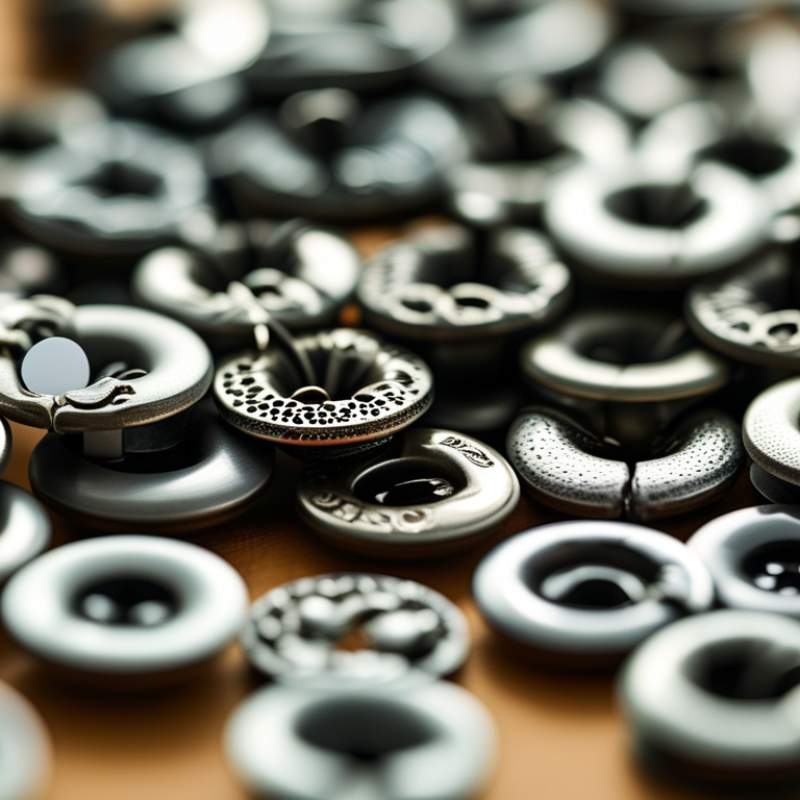
When choosing metal sewing eyelets, understanding the various types and materials is crucial. Metal eyelets typically come in brass, aluminum, or steel. Brass is often favored for its durability and corrosion resistance. Aluminum is lightweight and can be ideal for projects needing a sleek finish. Steel, on the other hand, provides strength but may be prone to rust if not treated properly.
Different types of eyelets serve specific purposes. For instance, some eyelets are designed for heavy fabrics, while others work well on lighter materials. It's essential to consider the fabric's weight and texture when selecting an eyelet. The installation process also varies depending on the type. Some eyelets require special tools, which can be a challenge for beginners. Experimenting with these options can lead to unexpected results, highlighting the importance of hands-on experience.
Crafting with metal sewing eyelets can lead to beautiful projects but requires careful thought. Mistakes in selection can impact the overall aesthetics and function. Reflecting on previous projects can provide insight into making better choices. Each project becomes a learning opportunity, fostering growth in your crafting skills and understanding of metal eyelets.
When selecting metal sewing eyelets for your projects, consider several key factors. The size of the eyelet is crucial. Ensure that it fits the material you plan to use. A mismatched size can lead to weak seams or unsightly appearance. Thickness of the fabric also plays a role; thicker materials may require larger, more robust eyelets.
Material is another important factor. Choose eyelets that are made from corrosion-resistant metals if your project involves exposure to moisture. This guarantees durability. The finish of the eyelet affects its aesthetic appeal. Opt for finishes that complement your design, whether it’s shiny, matte, or antique.
Choosing the right tools is equally important. Using a high-quality setter can make installation easier. A poor tool may lead to uneven placement or damaged eyelets. Take time to practice on scrap fabric; it can save you frustration later. When trying out different eyelets, maintain a record of the results. Reflect on what works best for your specific projects.
| Dimension | Material | Finish | Use Case | Recommended Sizes |
|---|---|---|---|---|
| 1/4 inch | Brass | Polished | Lightweight Fabrics | 1/4 inch eyelet |
| 3/8 inch | Steel | Satin | Heavyweight Fabrics | 3/8 inch eyelet |
| 1/2 inch | Aluminum | Anodized | Canvas and Leather | 1/2 inch eyelet |
| 5/8 inch | Nickel-Plated Steel | Matte | Outdoor Gear | 5/8 inch eyelet |
Choosing the right size and style of metal sewing eyelets is crucial for any project. Eyelets come in various dimensions. Selecting the correct diameter ensures they fit snugly. A large eyelet can create oversized holes, compromising the fabric's integrity. Conversely, a tiny eyelet may not hold material securely. Measure the thickness of your fabric before making any decisions. This helps prevent any unhappy surprises down the line.
When it comes to style, consider the project’s aesthetic. Eyelets are available in various finishes and designs, each impacting your project’s overall look. A shiny finish can add flair but may not suit a rustic theme. On the other hand, matte eyelets can provide a more subtle touch. Don’t rush; your choice should enhance the final product. Reflecting on personal preferences and your project’s requirements can guide you toward the best fit. There's always room to rethink your choices as you progress. The right eyelet can elevate your work, while the wrong one can lead to regrets.
When installing metal eyelets, proper tools are essential. A hole punch is crucial for creating the right-sized openings. Make sure your punch matches the size of the eyelet you intend to use. A mallet is often recommended for setting the eyelets without damage. The wrong tool can lead to uneven holes or bent eyelets. Heavy-duty scissors may also be necessary for thick fabrics.
Technique matters just as much as tools. Start by marking your fabric precisely. A misaligned hole can ruin your project. Position the hole punch carefully, ensuring stability as you press down. If your project involves multiple eyelets, measure distances accurately. Consistency creates a polished look.
Some may find installing eyelets to be frustrating, especially with tougher materials. Practice on scraps before committing to your main fabric. This trial-and-error process helps refine your technique. Keep in mind that even experienced crafters face challenges. Learning from mistakes often leads to better results in future projects.
When using metal sewing eyelets, safety should be a priority. Eyelets are small but can pose risks if not handled properly. According to recent industry reports, improper handling leads to injuries in over 15% of craft-related accidents. Always ensure you are working in a well-lit space to prevent missteps. Wearing protective eyewear can safeguard against small metal shards or debris while cutting or setting eyelets.
Best practices involve choosing the right tools. Use a dedicated setter to apply eyelets, as hand pressure can lead to slips. Reports indicate that using the wrong tools increases the likelihood of eyelet failure in up to 30% of cases. Ensure the eyelets are appropriate for the material you’re using. Some materials require specific types of eyelets, and mismatches can result in tearing or compromised integrity.
Regularly inspect your workspace for hazards. Keep sharp tools away from the edges of tables. Consider a dedicated storage solution for eyelets and tools to prevent accidental injuries. Your work environment can impact your safety and project success. By practicing these safety measures, you minimize risks while enhancing your crafting experience.
We are here to help you with all your queries and concerns, just write to us using the below form and we will get back to you as soon as we can.