2026 How to Choose NBR PVC Rubber Foam Sheet for Your Needs?
Choosing the right NBR PVC Rubber Foam Sheet can make a significant difference in your projects. To navigate this industry effectively, insights from experts are invaluable. John Smith, a renowned materials specialist, once said, "Understanding the specific needs of your application is key to selecting the right foam."
NBR PVC Rubber Foam Sheets offer versatile solutions for various applications. These sheets are known for their durability, thermal insulation, and resistance to oils and chemicals. Whether you need padding for industrial equipment or insulation for pipes, selecting the appropriate sheet is critical. With many options in the market, the decision can feel overwhelming.
There are factors to consider, such as thickness, density, and intended use. Each parameter affects performance and longevity. It’s not just about choosing what seems good. Evaluating your specific needs will help in making the best choice. Keep in mind, the right selection can enhance efficiency and safety in your operations.
Understanding NBR PVC Rubber Foam Sheets: An Overview
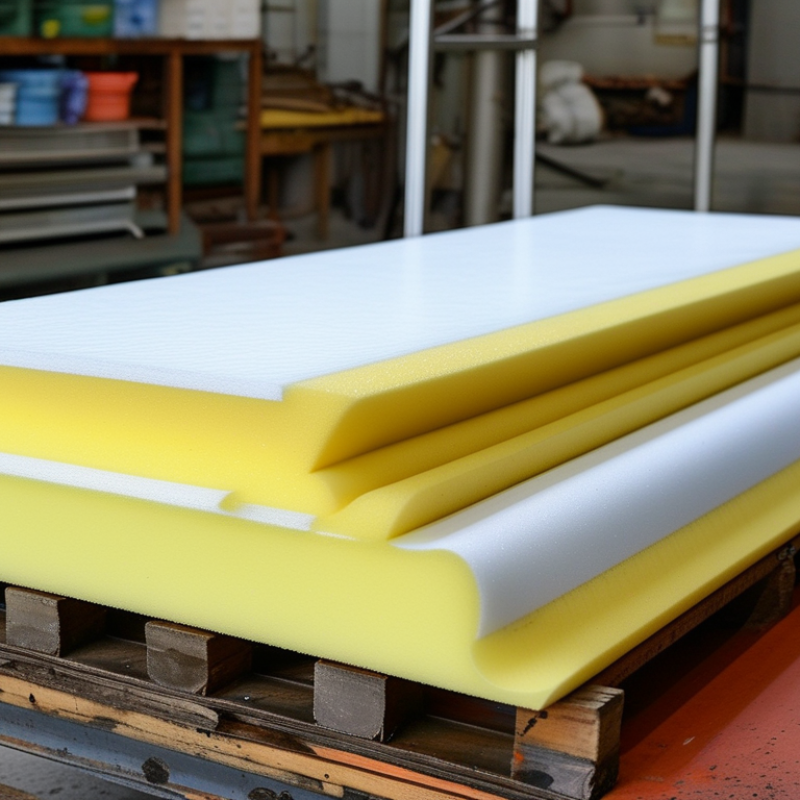
NBR PVC rubber foam sheets are gaining traction in various industries due to their versatile properties. Commonly used in automotive, insulation, and packaging sectors, these sheets offer excellent cushioning, thermal insulation, and soundproofing. According to a recent industry report, the global market for NBR rubber is projected to grow by 4.7% annually, reflecting a rising demand for durable foam applications.
When selecting NBR PVC rubber foam, consider factors like density, thickness, and temperature resistance. Density impacts durability and compression set properties. Industry standards suggest that sheets with a density range of 30-50 kg/m³ suffice for standard applications. Conversely, specialized applications may benefit from denser options, providing higher resilience. This choice affects the material’s performance, especially under stress.
Potential drawbacks should also be taken into account. Some NBR PVC foams may have limited chemical resistance. Prolonged exposure to certain oils or solvents can lead to degradation. Testing for compatibility is crucial. While NBR PVC foam sheets are adaptable, they may not be the perfect fit for every scenario. Balancing the pros and cons ensures that you choose a material that meets your specific needs effectively.
Key Characteristics of NBR PVC Rubber Foam for Selection
When selecting NBR PVC rubber foam sheets, understanding key characteristics is crucial. These materials offer excellent flexibility and resilience, making them suitable for various applications. They resist oils, chemicals, and weathering, which is essential for durability. The density of the foam affects its cushioning properties. Higher density sheets provide better support, while lower density sheets are lighter and more pliable.
Another important factor is thermal insulation. NBR PVC foam can maintain temperature, making it ideal for HVAC systems. Its sound absorption ability also significantly reduces noise, enhancing comfort in any environment. Thickness matters, too. Thicker sheets can provide more protection but may limit flexibility.
Consideration of the sheet's surface is often overlooked. A smooth surface may be easier to clean, while textured surfaces can offer better grip. Reflect on your specific needs. Are you looking for durability, flexibility, or insulation? Assessing these factors can guide your choice effectively. Remember, there might be trade-offs in each characteristic. It's vital to balance these based on your unique application.
Assessing Application Needs for NBR PVC Rubber Foam Sheets
When assessing application needs for NBR PVC rubber foam sheets, consider the specific requirements of your project. These materials excel in insulation, cushioning, and sound absorption. Think about the environment where the foam will be used. Will it be exposed to high temperatures? Will moisture be a concern? Each factor can change the material's performance drastically.
Evaluate the thickness and density of the foam. Thicker sheets provide better cushioning, while denser materials offer improved durability. Consider how flexible the foam needs to be. Is it for a rigid application, or does it need to conform to shapes? Material properties like resistance to chemicals and abrasion should also be analyzed. A mismatch can lead to premature failure or reduced effectiveness.
Many may overlook the importance of proper installation. Even the highest quality foam won’t function correctly if not applied or cut properly. Testing samples can help gauge how the foam behaves under pressure. This process is crucial for achieving optimal performance. Ultimately, taking time to assess your needs can lead to better decisions and outcomes.
Factors to Consider When Choosing NBR PVC Rubber Foam
When selecting NBR PVC rubber foam sheets, several critical factors warrant attention. One major consideration is the material’s density. Typically, a higher density translates to better durability and insulation properties. According to a report by market research analysts, foam sheets with a density above 30 kg/m³ demonstrate superior performance in thermal insulation applications. This is crucial for industries requiring temperature control, such as HVAC systems.
Another factor is the intended application. Different applications demand varying levels of flexibility and strength. For instance, automotive industries often require foam sheets that resist oil and temperature fluctuations. A recent study indicated that NBR PVC foam can withstand temperatures ranging from -30°C to 100°C, making it suitable for such challenging conditions. However, utilizing the wrong grade for a specific task can lead to premature failure and increased costs.
Lastly, consider environmental impact and compliance. Many industries are moving towards sustainable materials. Reports suggest that consumers are increasingly valuing eco-friendly options. Ensuring that NBR PVC foam sheets meet environmental standards, such as REACH or RoHS, is essential. Ignoring these factors could lead to regulatory issues and reputation damage over time.
2026 How to Choose NBR PVC Rubber Foam Sheet for Your Needs? - Factors to Consider When Choosing NBR PVC Rubber Foam
| Factor | Description | Importance Level | Recommended Thickness (mm) |
| Density | Refers to how compact the foam is, affecting insulation. | High | 6-12 |
| Thickness | The measurement of the foam sheet's thickness for specific applications. | Medium | 10-50 |
| Thermal Resistance | Ability to withstand high and low temperatures without degrading. | High | 8-20 |
| Water Absorption | The extent to which the foam can absorb water, affecting durability. | High | 4-8 |
| Compression Set | The foam's ability to return to its original shape after compression. | Medium | 5-15 |
| Chemical Resistance | Resistance to various chemicals that may cause degradation. | High | 6-12 |
Comparing NBR PVC Rubber Foam with Other Foam Materials
When evaluating NBR PVC rubber foam, it's crucial to compare it with other foam materials. NBR, or nitrile butadiene rubber, offers excellent oil and chemical resistance. It performs well in various temperature extremes, making it a preferred choice for industrial applications. According to recent industry reports, NBR PVC foam has a compressive strength range of 300-550 kPa, indicating its robust nature compared to polyethylene foam, which averages about 100-300 kPa.
Both NBR and PVC foams are noted for their durability. However, while PVC foam is lighter, NBR provides superior resilience in harsh environments. In a study, NBR's tensile strength was measured at approximately 5-10 MPa, whereas its competitors, like EVA foam, typically range around 2-5 MPa. This difference can significantly impact long-term performance.
It's worth noting that while NBR PVC foam excels in many metrics, it might lack the flexibility of other materials like polyurethane foam. This can lead to challenges in certain applications where bending or conformability is crucial. Thus, analyzing specific project needs is key. Keep these factors in mind to ensure the best fit for your requirements.
2026 NBR PVC Rubber Foam vs Other Foam Materials
This bar chart compares the density of NBR PVC rubber foam with other common foam materials. Understanding the density can help in selecting the right foam for specific applications based on flexibility, durability, and comfort.