
As the Canton Fair 2026 approaches, the spotlight is on innovative technologies, particularly Vfd For Water Pumps. The fair runs from April 15 to May 5, showcasing advanced manufacturing and electronics. This event presents a unique opportunity for businesses to explore cutting-edge solutions in water management.
The introduction of AI-driven smart search and navigation tools enhances the experience for buyers. These innovations allow attendees to easily locate vendors with specific qualifications like ISO and CE certifications. VFD for water pumps stands out as a critical technology, promoting energy efficiency and precise control in water management systems.
While the benefits of VFD are clear, some may question its implementation process. Challenges can arise in system integration and operational training. However, the advantages of reduced energy consumption and improved pump longevity significantly outweigh these concerns. This year’s Canton Fair is the perfect platform to address such issues and explore the future of VFD technology in water pumping solutions.
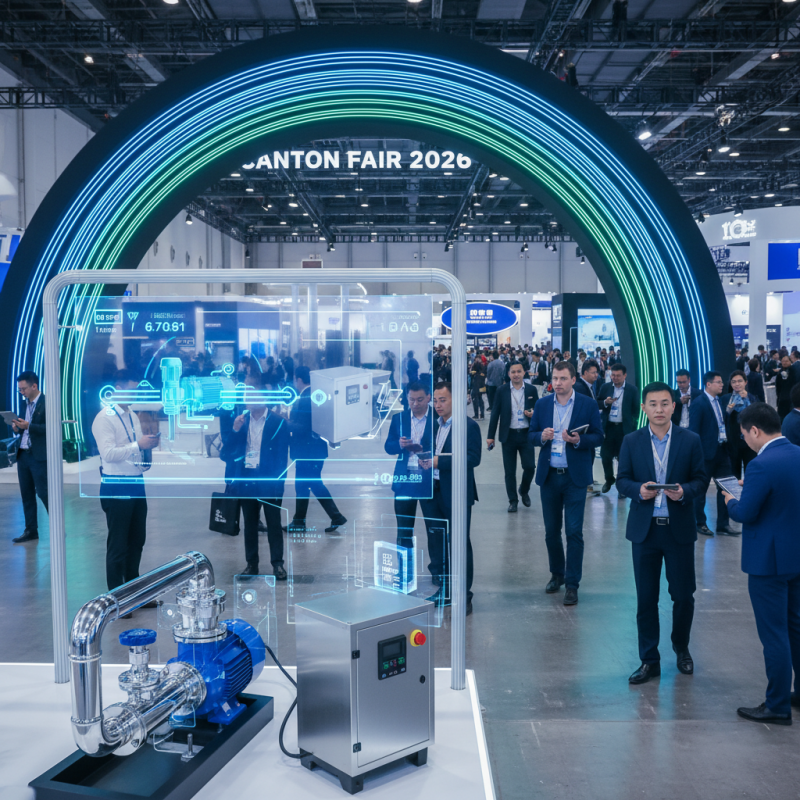
Variable Frequency Drives (VFD) are transforming water pump systems. By adjusting the motor speed, VFDs enhance efficiency and performance. Industry reports indicate that VFDs can reduce energy consumption by 30-50%. This efficiency results in cost savings and a smaller carbon footprint.
A notable advantage of using VFDs is their ability to improve system longevity. Slower start-up and optimized speed reduce wear and tear on pump components. It's documented that systems using VFDs have longer operational life. However, installation and maintenance can be complex. Proper training is crucial for optimal use.
Tips: Always consult with engineering professionals before choosing a system. Ensure regular maintenance checks to maximize equipment efficiency. Remember, an improper setup may lead to inefficiencies. Understanding the technology is key.
Variable frequency drives (VFDs) have gained popularity in water pump applications due to their energy efficiency. According to a report from the U.S. Department of Energy, VFDs can reduce energy consumption by up to 50% in pump systems. This statistic is compelling. Yet, despite the savings, many facilities still overlook VFD implementation.
Case studies reveal intriguing insights. A municipal water utility improved efficiency by 40% after retrofitting their pumps with VFDs. The initial costs were daunting for some stakeholders. However, the long-term savings on energy bills made a difference. This points to a common hesitation in the industry. Many are still unaware of the potential gains.
Economically, there are gaps in understanding VFD benefits. An industry survey noted that only 30% of water utilities have adopted VFD technology. Many hesitate to invest upfront. However, as energy prices rise, the urgency for efficient solutions grows. The data clearly show that VFDs are not just a trend; they are essential for modern water management.
| Parameter | Before VFD | After VFD | Improvement (%) |
|---|---|---|---|
| Energy Consumption (kWh) | 15000 | 10000 | 33.33 |
| Operational Cost ($) | 3000 | 2000 | 33.33 |
| Pump Lifespan (Years) | 10 | 15 | 50.00 |
| Maintenance Frequency (Months) | 6 | 12 | 100.00 |
| CO2 Emissions (kg/year) | 6000 | 4000 | 33.33 |
When evaluating the cost of implementing Variable Frequency Drives (VFDs) for water pump systems, several factors come into play. Initial investment for VFDs can be higher than traditional systems. However, it’s crucial to consider long-term savings. VFDs can significantly reduce energy consumption. Energy usage often accounts for a large part of operational costs. Therefore, the payback period can be surprisingly short.
Maintenance is another aspect worth discussing. Traditional pumps may require frequent servicing, leading to increased costs over time. In contrast, VFDs can extend equipment life by preventing issues like cavitation and overloading. However, improper installation or maintenance of VFDs can lead to potential failures. It’s essential to ensure staff training and proper setup for optimal performance.
Operating efficiency is where VFDs shine. They allow precise control of pump speed. This means water delivery can match real-time demand. Yet, organizations must assess their specific needs. Not all systems are the same, and in some cases, traditional methods may still serve well. A thorough analysis of needs and potential challenges can drive a sound decision.
Variable Frequency Drives (VFDs) are pivotal in water quality management. They regulate the speed of water pumps with precision. This capability leads to improved stability in flow rates. When flow rates are consistent, the risk of contamination decreases. Lower flow fluctuations reduce stress on pipes and joints. This can prolong the lifespan of water distribution systems.
In addition, VFDs allow for energy-efficient operation. By adjusting pump speed according to demand, less energy is wasted. However, implementing VFDs is not without challenges. For instance, the initial costs can be significant. Not all facilities may have the expertise to integrate this technology. Even minor errors in setup can lead to inefficiencies. Operators must continually explore and refine processes to optimize performance.
Moreover, understanding the water quality parameters is essential. Without proper monitoring, VFDs may not fully address specific needs. For example, varying water temperatures can affect pump efficiency. Regular assessments are needed to align pump operation with water quality goals. VFD adoption may enhance water management, but it requires careful planning and ongoing evaluation.
The adoption of Variable Frequency Drives (VFDs) in water pump systems is growing. This trend is driven by the need for energy efficiency and automated control. VFDs enable precise speed adjustments, leading to optimized performance. However, their integration can pose challenges. Technical knowledge and proper training are essential for effective implementation. Many users may struggle with settings and adjustments.
Looking ahead, future trends in VFD technology for water pumps show great promise. Enhanced algorithms could improve efficiency even further. IoT-enabled VFDs are on the rise, allowing for real-time data monitoring. This data can inform maintenance schedules and performance assessments. Yet, with rapid advancements, ensuring security becomes crucial. Manufacturers will need to address potential vulnerabilities.
Moreover, the design of VFDs is evolving. More compact models are becoming available to save space. These smaller devices may still pack powerful features. While these changes offer benefits, they also require users to adapt. The learning curve could be steeper for some. It’s important to weigh the benefits against potential complexities.
As shown in the chart, the advantages of using Variable Frequency Drives (VFDs) for water pumps include significant energy efficiency, cost savings, enhanced control precision, reduced noise levels, and improved longevity. These factors are crucial for optimizing water pump applications and reflect future trends in VFD technology.
We are here to help you with all your queries and concerns, just write to us using the below form and we will get back to you as soon as we can.