Choosing the right Boring Bar Machine can greatly affect your machining efficiency and output quality. According to Jack Thompson, a leading expert in the machining industry, "Selecting the correct boring bar setup is crucial for precision and productivity." This insight emphasizes the importance of making informed decisions.
When evaluating options, consider factors like size, material, and machine versatility. A well-chosen Boring Bar Machine can enhance accuracy while minimizing production time. Each feature has its own set of pros and cons, making it vital to assess what aligns with your specific tasks.
However, the process can feel overwhelming. Many overlook the importance of compatibility with existing tools and technology. Taking the time to reflect on these aspects can save significant time and resources later. Investing in a quality Boring Bar Machine is not just a purchase; it is a step towards long-term success in your operations.
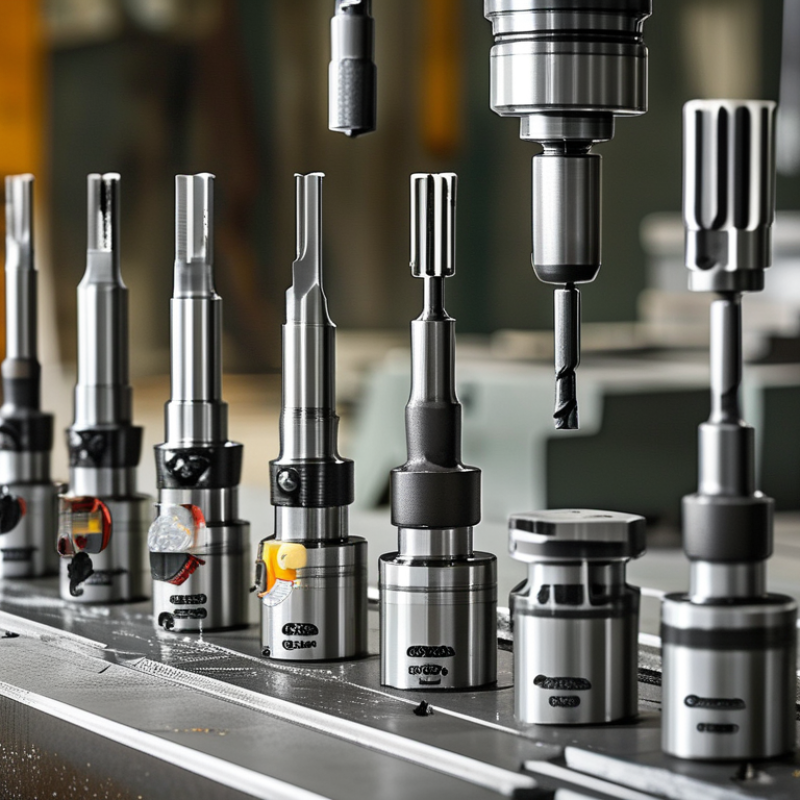
When selecting a boring bar machine, understanding the different types available is crucial for meeting specific machining needs. Broadly, these machines can be categorized into rotary and fixed types.
Rotary boring bars are ideal for large diameters and deep-hole applications, as they allow for precise control and finish. Fixed boring bars, on the other hand, are commonly used in turning applications and are well-suited for shallow holes.
According to a recent industry report, the demand for rotary boring machines has increased by 15% due to advancements in deep-hole drilling technology.
Tip: Always assess the intended application before choosing a machine. Different projects require distinct features. Compatibility with tooling and other equipment is essential.
There are also specialized boring bars designed for specific materials. For instance, carbide-tipped boring bars excel when working with harder metals. The choice of material impacts tool life and performance.
However, it is vital to be cautious about the machine’s speed and feed rate. Overly aggressive settings can cause tool failure and diminish machining accuracy. The market data shows that improper settings lead to a 30% increase in downtime for repair.
Tip: Regular maintenance and assessments are advised. These can prevent unexpected breakdowns and enhance productivity. Consider keeping a log of the machine’s performance metrics for better decisions in the future.
When choosing a boring bar machine, understanding your specific machining needs is crucial. Start by evaluating the materials you work with. Different metals require different machining approaches. For example, softer materials can be managed with less aggressive cuts. However, harder metals may need more robust tools for effective shaping. Think about the size and complexity of the parts you produce. A compact machine may suffice for small parts, but larger components will require a different solution.
Next, consider the precision you need. If your work demands tight tolerances, investing in a more advanced boring bar machine may be necessary. Evaluate your production volume as well. Machines designed for high-volume production have different capabilities compared to those meant for custom jobs. Don't overlook the importance of after-sales support and service. Accessibility to expert guidance can significantly impact your long-term satisfaction with the machine.
Lastly, reflect on your budget constraints. Higher initial costs may lead to better performance and lower operational costs over time. It's essential to strike a balance between cost and capability. Access to reviews from trusted sources can provide insights into the reliability of your options. A well-informed decision will not only enhance productivity but also boost the quality of your end products.
When selecting a boring bar machine, evaluating its features is crucial. The type of material the bars can handle is a primary concern. According to recent industry data, materials like stainless steel and aluminum require different cutting speeds and feeds. Boring bars made from high-speed steel (HSS) perform well for softer materials. However, carbide bars excel in tough alloys.
Consider the diameter and length of the boring bar. Typically, bars range from 0.5 inches to over 4 inches in diameter. Longer bars may introduce deflection, impacting precision. Studies suggest that a bar length-to-diameter ratio exceeding 6:1 significantly affects performance. It often leads to increased vibration and reduced accuracy.
The machine's power and rigidity also play essential roles. A powerful motor can maintain cutting speed under heavy loads, which is vital for efficiency. According to market reports, machines with higher rigidity minimize chatter and improve surface finishes. An often-overlooked aspect is the control system. User-friendly interfaces can enhance operational accuracy and reduce errors. While assessing these features, reflect on your specific operational contexts and potential limitations. Each project may reveal unique challenges, requiring careful consideration of these specifications.
When selecting a boring bar machine, comparing price points is crucial. The costs can range significantly, from $500 to over $5,000. Typically, higher-end models offer advanced features but may not be necessary for every application. A recent survey shows that 65% of manufacturers prioritize budget over brand reputation when buying machinery. This indicates a shift towards value-driven choices.
Investing in the right boring bar machine involves understanding your specific needs. Analyze the materials you'll use and the volume of production. You might find more cost-effective options that fit your requirements. Consider that the most expensive equipment isn't always the most efficient for your projects. It's essential to connect the cost to the actual performance and maintenance.
Tips: Always read reviews and ask for feedback from users. This gives insight into performance and reliability, which data alone may not show. Another consideration is the total cost of ownership, including maintenance and replacement parts. Sometimes, a cheaper initial price can lead to higher long-term expenses. Stay mindful of how each option aligns with your production goals.
| Machine Type | Price Range ($) | Best For | Features | Size (mm) |
|---|---|---|---|---|
| Manual Boring Bar | 200 - 500 | Hobbyists, Small Workshops | Compact, Basic Controls | 300 |
| Semi-Automatic Boring Bar | 500 - 1500 | Small to Medium Enterprises | User-Friendly, Adjustable Speed | 600 |
| Fully Automatic Boring Bar | 1500 - 5000 | Large Manufacturing Plants | High Efficiency, Advanced Features | 1200 |
| CNC Boring Bar | 2000 - 8000 | Precision Engineering | Programmable, High Precision | 1500 |
When selecting a boring bar machine, reliable manufacturers and suppliers make a significant difference. Quality is paramount, and research is essential. According to industry reports, approximately 40% of maintenance issues stem from subpar equipment. This highlights the importance of choosing trustworthy manufacturers, as their products often lead to better long-term performance.
Start by examining the supplier’s reputation within the industry. Look for companies with a history of producing durable and effective tools. Reports indicate that vendors who invest in customer feedback tend to have a higher satisfaction rate. This can guide you in choosing a manufacturer that aligns with your quality expectations.
Also, consider the availability of machine parts and customer support. A well-established supplier often has a robust inventory of replacement parts. About 30% of downtime is linked to waiting for spare parts. Engaging with your potential suppliers and asking questions can reveal their responsiveness. Such interactions may highlight their commitment beyond just selling machinery.
We are here to help you with all your queries and concerns, just write to us using the below form and we will get back to you as soon as we can.