
How to Choose the Best Fabric Belt Conveyor for Your Needs?

Choosing the right Fabric Belt Conveyor can significantly impact your production process. Such conveyors are used in various industries, from food processing to manufacturing. They are designed to transport materials efficiently and reliably.

When assessing your needs, consider the material types you will be handling. Heavy items require sturdier belts, while lighter products can use more flexible options. It's essential to understand the dimensions of your workspace too. This can greatly affect your conveyor design.

Moreover, think about maintenance and durability. A well-chosen fabric belt can minimize operational costs. However, if you overlook the quality, you may face frequent breakdowns. Reflecting on these factors will lead you to make a better-informed decision.
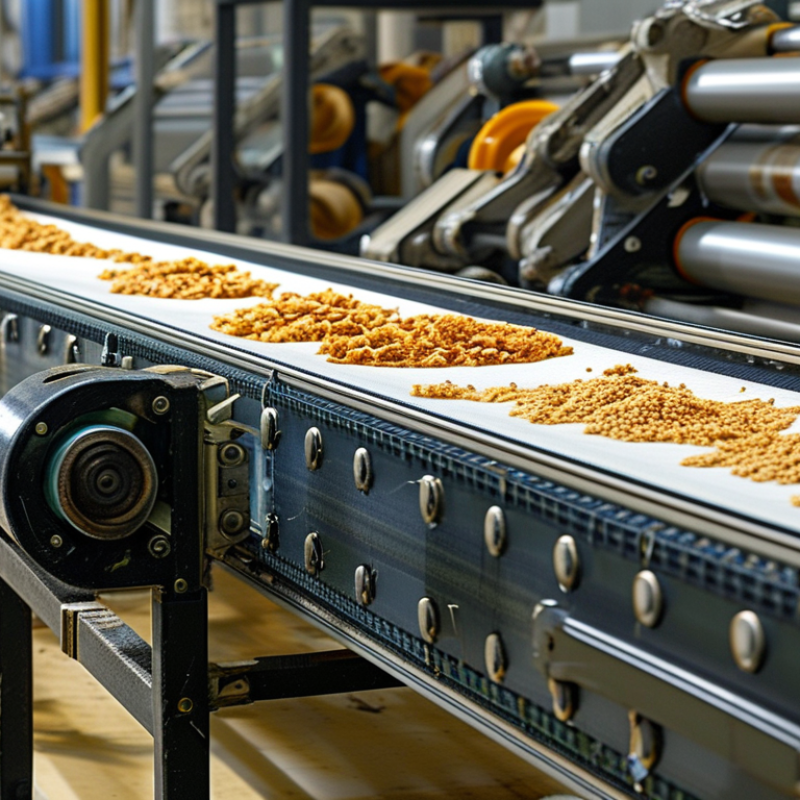
How to Choose the Best Fabric Belt Conveyor for Your Needs?

Understanding the Types of Fabric Belt Conveyors Available

Fabric belt conveyors come in various types, each suited for specific applications. Understanding these types is crucial when selecting the right one for your needs. Among the most common are flat belts and modular belts. Flat belts are ideal for transporting lightweight items. They offer a smooth surface and are easy to maintain. Modular belts, on the other hand, consist of interlocking plastic segments. They are more durable and flexible, making them great for heavy-duty applications.

According to a report by Market Research Future, the fabric conveyor market is expected to grow at a CAGR of 4.1% from 2021 to 2028. This growth highlights the increasing demand for efficient material handling solutions. Different industries require different types of fabric belts. For instance, food processing may favor belts that are easier to clean. Meanwhile, automotive sectors might prioritize high-strength options. Choosing the wrong type can lead to inefficiencies and increased costs.

Consider the weight and size of the materials you will be transporting. The conveyor's speed is also a factor. This complexity requires careful consideration before making a decision. Not all conveyors are created equal. The choice of fabric can affect not just durability, but also operational efficiency. Each type offers unique advantages, but also has limitations that need assessment. Ultimately, the best choice aligns with specific operational requirements.

How to Choose the Best Fabric Belt Conveyor for Your Needs?

Type of Fabric Belt Conveyor Material Load Capacity (lbs) Speed (ft/min) Applications
Light-Duty Fabric Belt Conveyor Polyester 50 30 Packaging, Assembly
Medium-Duty Fabric Belt Conveyor Nylon 250 50 Distribution, Food Processing
Heavy-Duty Fabric Belt Conveyor Polypropylene 500 75 Mining, Heavy Manufacturing
Modular Fabric Belt Conveyor PVC 300 60 Automotive, Electronics

Key Factors to Consider When Selecting a Fabric Belt Conveyor

Choosing the right fabric belt conveyor is crucial for operational efficiency. A few key factors can guide your decision. First, consider the material of the belt. Different applications require varying levels of durability, flexibility, and resistance to wear. For instance, a softer fabric may suffice for lightweight items. However, heavier loads will need reinforced or thicker fabrics to withstand stress.

Next, think about the conveyor's width and length. Ensure it fits seamlessly into your workspace while catering to your material handling needs. Space constraints may challenge the choice of size. In this case, it is wise to measure and plan ahead. Also, assess the conveyor’s speed requirements based on your workflow efficiency. A speed that seems sufficient today might fall short as your operation grows.

Finally, don’t overlook maintenance needs. Some fabric conveyors might require regular upkeep, which can affect productivity. Regular checks help identify wear and prevent sudden breakdowns. Balancing durability and maintenance is essential for smooth operations. Choosing the best fabric belt conveyor involves careful evaluation of your specific requirements. Reflect on these factors to make a well-informed decision.

Evaluating the Material Compatibility for Your Fabric Conveyor

When selecting a fabric belt conveyor, evaluating material compatibility is crucial. Different industries demand varying levels of resistance to temperature, chemicals, and moisture. For example, the Food Industry often requires conveyors that can withstand corrosive cleaning agents. Reports indicate that 70% of conveyor failures are due to material incompatibility, leading to costly downtimes.

Consider the type of materials your conveyor will handle. If you're transporting petroleum products, opt for a fabric resistant to hydrocarbons. According to a study by the Conveyor Equipment Manufacturers Association, over 30% of material handling costs can be attributed to improper equipment choices. Ensuring your fabric conveyor can handle the specific load will optimize efficiency and extend its lifespan.

It's also important to assess the environment where the conveyor will operate. For example, high humidity can degrade some fabric types quickly. A survey found that 40% of maintenance budgets are spent on repairs from neglecting environmental considerations. Think about potential chemical exposure and temperature fluctuations. This can be challenging, as it involves estimating and preparing for unforeseen conditions. Balancing these factors effectively can lead to more informed decisions in procurement and operational strategies.

Assessing Conveyor Size and Layout for Optimal Performance

When choosing a fabric belt conveyor, the size and layout of your operation are crucial. Start by measuring the available space. This helps determine the length and width of the conveyor. A well-fitted conveyor ensures efficiency, preventing overcrowding or wasted space. Consider the height as well. Is it accessible for operators? A conveyor that’s too high or low can lead to injuries.

Layout is another important factor. How will material flow through your workspace? Imagine the journey from loading to unloading. Is the path clear of obstacles? A smooth layout promotes optimal performance. Pay attention to corners and turns; these can be bottlenecks. An ideal layout minimizes downtime and enhances productivity.

Reflect on your operational needs. Are you transporting heavy materials? If yes, the conveyor must be robust. If you frequently switch materials, make sure the conveyor can accommodate these changes. Take time to analyze your requirements. A thoughtful approach can prevent costly mistakes down the line.

Cost Considerations and Budgeting for Your Conveyor System

When selecting a fabric belt conveyor, cost is key. Understand your budget clearly. Assess initial costs and ongoing expenses. You'll need to factor in maintenance, energy consumption, and potential downtime. A lower upfront cost might lead to high future expenses. Every detail matters here.

Investing in quality may seem steep initially. However, durability often translates to savings over time. Cheaper materials can wear out faster. This leads to additional costs in repairs or replacements. Consider how often you'll need to use the conveyor. Heavy, frequent use demands a robust solution.

Budgeting should also include necessary features. Look at the size, load capacity, and special functions. Customizations can add costs but may enhance efficiency. Think deeply about your specific needs. Balancing budget constraints with quality requirements is a reflection of your priorities. Weigh the long-term benefits against short-term savings.

Our dedicated sales and support staff are here to help you identify the ideal pump solution for your needs.

Contact Us