How to Choose the Best LED Screen for Your Business Needs?
In today's fast-paced business environment, choosing the right LED Screen can significantly impact brand visibility. Expert Mark Thompson, a renowned specialist in display technology, emphasizes, “The right LED screen transforms how customers interact with your brand.” This statement highlights the importance of selecting a display that meets specific business needs.
When considering an LED screen, companies often overlook key factors such as size, resolution, and brightness. A screen that is too small or dim may fail to attract attention in a busy environment. Additionally, many businesses struggle to understand the technical specifications, which can lead to poor investment decisions.
Evaluating your audience and the intended use of the LED screen is crucial. Different venues may require different setups. What works in a retail store may not suit an outdoor advertising campaign. Businesses must reflect on their unique needs to make an informed choice. The right decision can enhance customer engagement and improve overall marketing efficacy.
Understanding Different Types of LED Screens Available on the Market
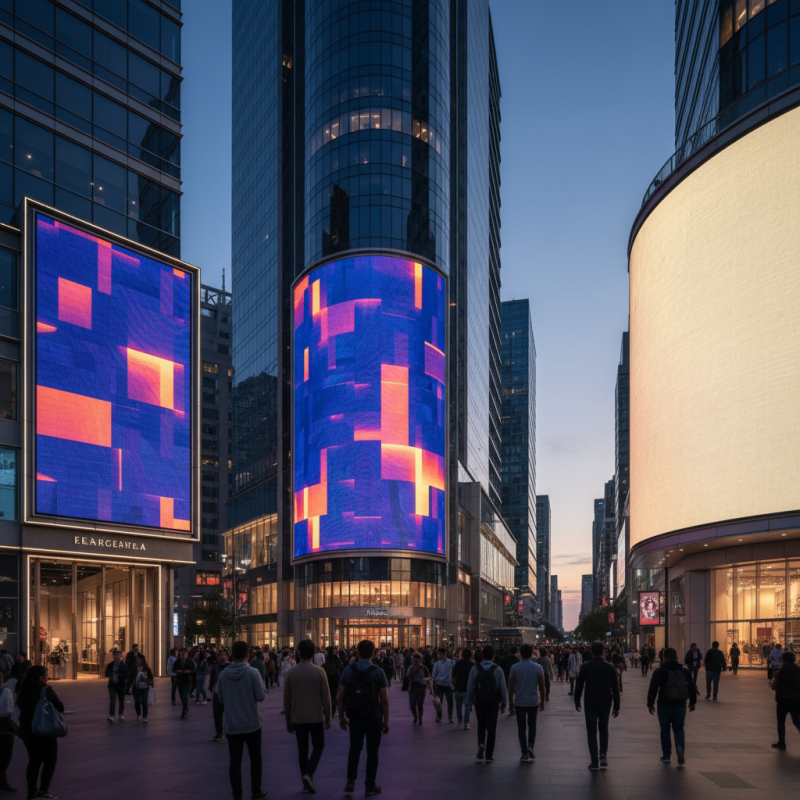
When selecting an LED screen for business, understanding the various types available is crucial. LED screens come in different forms, such as outdoor, indoor, and transparent models. Each type serves distinct purposes. For instance, outdoor LED screens are generally more robust, offering high brightness levels to combat sunlight. The market has seen significant growth in outdoor displays, with a projected increase of 7.5% from 2022 to 2028, according to a recent report by Grand View Research.
Indoor LED screens are ideal for vibrant displays in retail spaces or corporate environments. These screens usually have a higher resolution, providing better image quality closer to viewers. Transparency in LED technology is gaining traction, offering a unique look for storefronts. However, professionals must weigh the visual impact and costs associated with these advanced models. Data from Statista indicates that businesses are increasingly shifting towards advanced display technology, with an expected market growth of 15% by 2025.
Choosing the right type of LED screen can be challenging. Not all settings require the same specifications. It's essential to assess factors like location, purpose, and audience engagement. Some businesses opt for lower-quality screens to save costs but compromise visibility. Investing in higher-quality displays might yield better returns in visibility and consumer interaction. This decision-making process can often reveal gaps in understanding among industry players.
Comparison of Different Types of LED Screens for Business Needs
Assessing Your Business Requirements for Visual Display Solutions
When evaluating your business needs for visual display solutions, it’s essential to understand the specific requirements. Start by identifying the purpose of the LED screen. Is it for advertising, information dissemination, or entertainment? According to a recent industry report, 73% of businesses found that digital signage increased their customer engagement significantly. Knowing the primary function helps narrow down the options.
Consider the environment where the screen will be used. Indoor displays require different specifications compared to outdoor units. Outdoor screens must withstand weather conditions and have high brightness to be visible in sunlight. Customizing your choice based on location can prevent costly mistakes. A study indicated that businesses that align screen capabilities with their environment observed a 40% improvement in viewer retention.
Tips:
- Always assess the viewing distance. Larger screens are necessary for wider viewing areas.
- Don’t overlook resolution. Higher resolution screens can enhance viewer experience.
- Evaluate maintenance requirements. Easy-to-maintain screens save time and money.
Investing time in a thorough needs assessment will ultimately lead to better visual display solutions.
How to Choose the Best LED Screen for Your Business Needs?
| Display Size | Resolution | Brightness (nits) | Viewing Angle | Usage Environment | Average Lifespan (Hours) |
| 55 inches | 1920 x 1080 (Full HD) | 500 | 178° | Indoor | 50,000 |
| 75 inches | 3840 x 2160 (4K) | 700 | 178° | Indoor/Outdoor | 100,000 |
| 100 inches | 3840 x 2160 (4K) | 800 | 160° | Outdoor | 100,000 |
| 32 inches | 1366 x 768 (HD Ready) | 300 | 160° | Indoor | 30,000 |
Key Features to Consider When Selecting an LED Screen
When selecting an LED screen for your business, consider key features that align with your goals. Start with resolution. A higher resolution ensures clearer images. This is especially important for displaying detailed content, such as graphics or videos. If your audience needs to see fine details, don’t compromise on this aspect.
Brightness is another critical feature. In brightly lit environments, opt for screens with higher brightness levels. This ensures your content remains visible, capturing the attention of your audience. If your location has varied lighting conditions, versatility is key.
**Tip:** Assess the viewing distance. A larger screen might be necessary for distant viewing.
Connectivity options also matter. Ensure the screen can integrate smoothly with your existing technology. Check compatibility with various devices. This will save you time and potential compatibility issues later.
**Tip:** Think about future scalability. Choose an LED screen that can adapt to your growing business needs.
Evaluate the installation requirements as well. Some screens may require additional setup or ongoing maintenance. Reflect on the long-term costs associated with installation and upkeep. Choose a solution that aligns with your operational capabilities.
Evaluating Cost vs. Performance in LED Screen Options
When selecting an LED screen, considering cost versus performance is crucial. The initial investment may seem daunting, but a recent industry report from IHS Markit indicates that performance can greatly impact ROI in the long run. Lower-quality screens may save money upfront but can lead to higher operational costs due to increased power consumption and maintenance needs.
Understanding resolution and brightness is also vital. A screen with low resolution may not deliver the visual clarity required for effective communication. According to a study by DisplayMate, high-brightness LED screens provide better visibility even in direct sunlight, which is essential for outdoor advertising.
Tips: Evaluate your specific use case. If your business prioritizes vibrant visuals, invest more in quality and resolution. Also, consider the energy consumption of the LED screens. A more energy-efficient model can save money over time.
Bargain options often sacrifice durability. In many instances, cheaper screens have shorter lifespans and tend to break down more easily. This can result in unexpected expenses for repairs or replacements. It’s essential to weigh up-front costs against performance longevity, as a more expensive screen might ultimately provide better value.
Installation and Maintenance Considerations for LED Screens
When selecting an LED screen for your business, installation and maintenance are critical considerations. Professionals in the industry recommend assessing the mounting options early in the process. The weight and size of the screen affect how it can be installed. Ensuring structural support is vital. Many businesses overlook this, leading to costly reinstallation.
Maintaining the display is just as important. LED screens require regular cleaning to ensure optimal performance. Dust and dirt can significantly reduce visibility and brightness. According to industry reports, a 10% reduction in screen clarity can impact customer engagement levels. Furthermore, monitoring the lifespan of LED components is essential. A proactive maintenance schedule will help prevent unexpected failures.
In addition, trained technicians should handle installation and repairs. Hiring experienced professionals can save time and resources. The upfront cost may seem high, but it pays off in the long run. A poorly installed screen can lead to a decrease in audience reach and impact your brand's reputation. Creating a plan for ongoing support can make a measurable difference in the screen’s longevity and effectiveness.