In the expanding market for renewable energy, the demand for Waterproof Solar Panels continues to grow. A recent report by the Solar Energy Industries Association (SEIA) indicates that waterproof options are essential for outdoor installations, especially in harsh environments. According to expert Dr. Emily Carter, a leading authority in solar technology, “Choosing the right waterproof solar panel can significantly enhance performance and longevity.” This highlights the importance of informed decision-making.
Investing in Waterproof Solar Panels means considering various factors, like durability and efficiency. Data from the National Renewable Energy Laboratory (NREL) shows that waterproof models can endure extreme weather conditions more effectively than standard panels. This is crucial for homeowners and businesses situated in unpredictable climates. However, not all waterproof panels are created equal. Some may offer limited warranties or lack adequate certifications.
It is easy to feel overwhelmed by the choices available. A thorough evaluation of product specifications and user reviews is vital. Real-life experiences reveal that a waterproof solar panel might initially seem costly, but the long-term benefits often justify the investment. Engaging with industry experts can also clarify misconceptions. Ultimately, thoughtful consideration will lead to the best solar panel choice for your energy needs.
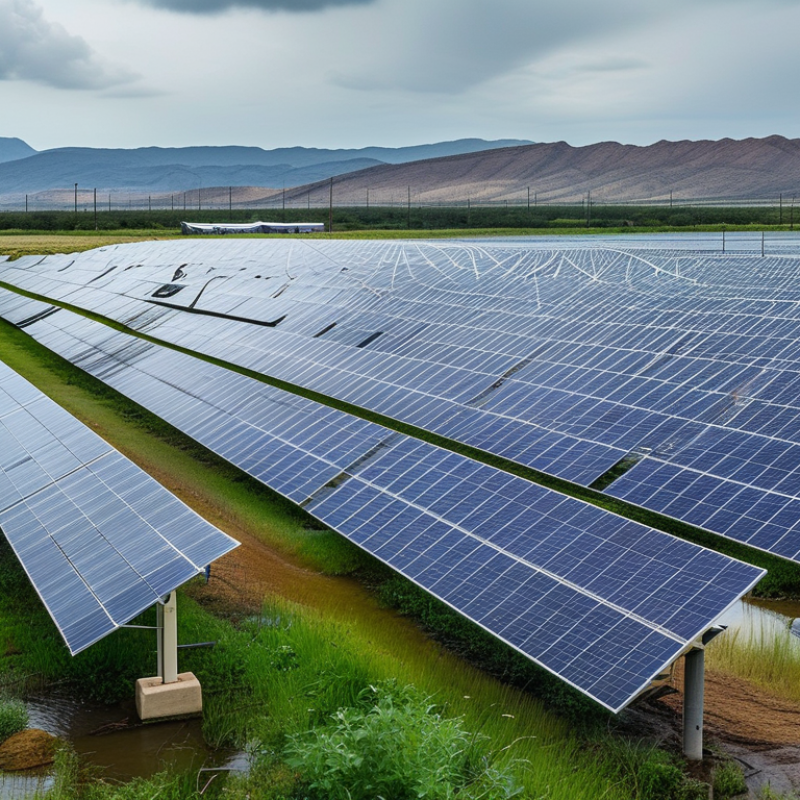
Waterproof solar panels are essential for outdoor applications. They come with a protective casing that prevents water damage. Understanding their construction helps you make informed decisions. Typical materials used include tempered glass and aluminum frames. These components enhance durability, ensuring longevity.
Consider the IP rating when assessing waterproof qualities. A higher rating indicates better protection against water ingress. For example, an IP67 rating means the panel can withstand immersion in water. This is crucial if you plan to install panels in rainy or humid locations. However, many users overlook installation factors that can impact performance.
While waterproof features are critical, not all solar panels are created equal. Some may struggle in extreme conditions, such as high winds or heavy snowfall. Researching the panel's performance under various climates helps set realistic expectations. Proper maintenance is also vital. Regular cleaning and inspections can prevent issues caused by water exposure. Balancing these aspects ensures you choose a suitable waterproof solar panel for your needs.
When evaluating your power needs for solar energy, it’s crucial to consider your specific requirements. Start by calculating your daily energy consumption. On average, a household uses about 30 kWh per day. Consider factors like appliances, lighting, and heating. Are there seasonal variations in your energy usage? A clear understanding of these patterns is essential.
Next, think about the environment of your solar panel installation. Will it be used in an area with a lot of sunlight? Research indicates that solar panels can generate about 1 kWh per square meter per day under optimal conditions. However, shading and weather can impact performance. Are you prepared for those fluctuations? Experts suggest allowing for a safety margin of at least 20% in your calculations.
Your power needs may also evolve. For example, an electric vehicle may increase consumption significantly. Studies show that adding an EV can raise household energy use by 6-8 kWh daily. Have you accounted for potential future needs? Regularly reassessing your energy requirements will help ensure that your solar system remains efficient and aligned with your lifestyle.
When selecting waterproof solar panels, several key features should guide your decision. One primary consideration is the IP rating, which indicates the degree of protection against water and dust. Aim for panels with a rating of at least IP65. This level ensures they can withstand direct water exposure, making them ideal for outdoor setups.
Another critical feature is the material of the panel. High-quality glass and aluminum frames offer durability and enhanced weather resistance. Look for tempered glass; it provides strength against hail and debris. Additionally, check for UV resistance in materials. Panels prone to degradation can lead to improper functioning over time.
Efficiency is also essential. Evaluate how much sunlight a panel can convert into energy. Higher efficiency usually equates to better performance in limited space. Finally, consider warranty length. A longer warranty reflects manufacturer confidence in their product's longevity. Be cautious; a short warranty might indicate potential issues down the line. Ultimately, assess your unique needs alongside these features for a well-rounded decision.
When exploring waterproof solar panels, it's essential to compare the different types available. Generally, three main categories dominate the market: monocrystalline, polycrystalline, and thin-film panels. Monocrystalline panels are known for high efficiency and longevity, with generally around 20-25% efficiency ratings. This type often performs better in low light conditions, making them popular for outdoor installations.
In contrast, polycrystalline panels, while slightly less efficient, usually have a lower cost. Their typical efficiency ranges from 15% to 20%. They can resist heat, key for areas with high sun exposure. Thin-film solar panels, on the other hand, are flexible and lightweight. They might not boast high efficiency—averaging around 10-13%—but their performance in partial shade has its advantages. This can be crucial for irregular roof shapes or installations on uneven surfaces.
A report by the International Renewable Energy Agency noted that advances in technology are improving all panel types. However, the choice often depends on specific needs like space, budget, and installation environment. Each panel type has trade-offs that users must consider. High-quality waterproofing and durability ratings are crucial, as maintenance costs can arise from inadequate performance. Selecting the right panel involves weighing these factors carefully against specific requirements.
When choosing a waterproof solar panel, durability and warranty are key factors. A reliable product should withstand harsh weather conditions, such as heavy rain, snow, and intense sunlight. According to industry reports, high-quality panels can maintain efficiency for over 25 years with appropriate care. Look for panels with sturdy frames made of aluminum, as it offers excellent resistance to corrosion.
Warranties can provide important peace of mind. Many manufacturers offer performance warranties lasting 20 to 25 years. Evaluating these warranties helps gauge product reliability. However, not all warranties cover the same aspects. Some may exclude specific types of damage or wear and tear. Understand the terms thoroughly before making a decision.
Tips: Inspect warranty documents carefully. Check what damages are covered. Always opt for products with longer warranties, as this can indicate better quality. Don't overlook user reviews; they often reveal real-world experiences with durability. Researching thoroughly can save you from unexpected repairs down the line. Proper assessment of warranty details ensures you choose a product that meets your long-term needs.
We are here to help you with all your queries and concerns, just write to us using the below form and we will get back to you as soon as we can.