How to Choose Fire Proof Gypsum Board for Ceilings?
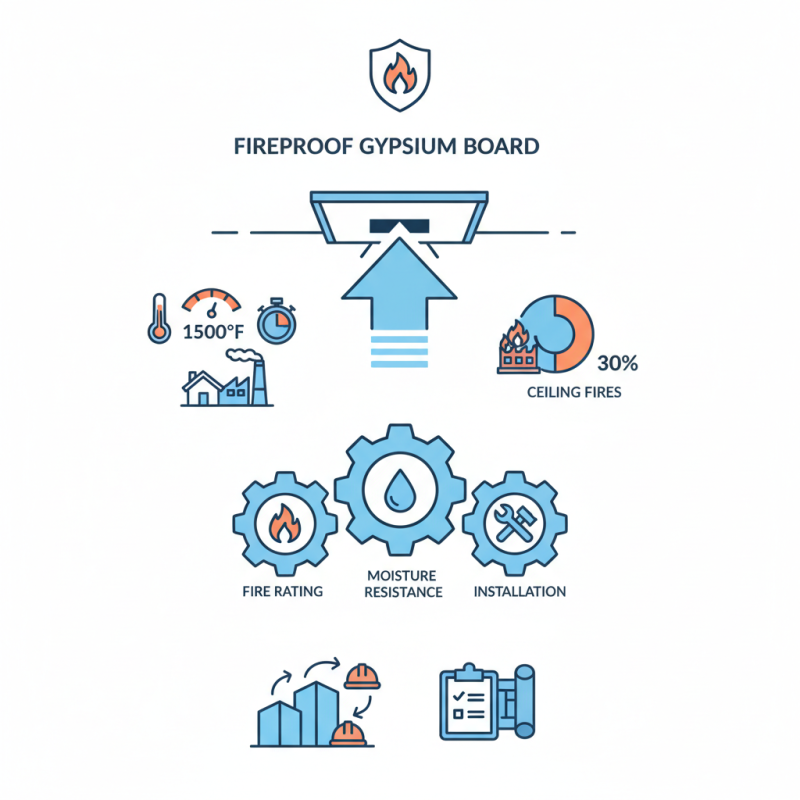
Choosing the right Fire proof gypsum board for ceiling applications is crucial for safety and durability. According to a recent report by the National Fire Protection Association (NFPA), over 30% of commercial building fires originate from ceiling areas. This statistic underlines the importance of selecting appropriate materials that can withstand high temperatures and resist fire spread.
Fire proof gypsum boards are engineered to provide superior fire resistance compared to standard gypsum boards. They typically contain additives that enhance their performance during a fire, giving occupants critical extra time to evacuate. Studies show that fire-rated gypsum boards can withstand temperatures of up to 1,500 degrees Fahrenheit for a considerable duration, making them a reliable choice for many environments, from residential homes to industrial facilities.
When evaluating fire proof gypsum board for ceiling installations, consider factors such as fire ratings, moisture resistance, and installation methods. The importance of these features cannot be overstated. Some boards may not perform as expected under extreme conditions, leading to potential safety hazards. Therefore, thorough research and consultation with industry professionals can help ensure that the chosen products meet all necessary safety standards and local building codes.
Understanding Fire Resistance Ratings of Gypsum Boards
When selecting fire-resistant gypsum boards for ceilings, understanding fire resistance ratings is crucial. These ratings indicate how long a material can withstand fire exposure. Gypsum boards come in various types, categorized mainly by their fire resistance levels. Common ratings include Type L, Type X, and Type C. Each type offers different levels of protection, with Type C generally providing the highest fire resistance.
It’s also important to consider the environment in which the gypsum board will be installed. For instance, Type X boards are often placed in commercial buildings or high-risk areas due to their enhanced durability. However, they may not be necessary in residential settings. Analyzing the specific needs of your project can help find the best option.
Many tend to overlook the installation process. Proper installation of fire-rated boards is just as vital as the board quality. Gaps or improper sealing can compromise their effectiveness. Reflecting on past installations reveals the necessity of attention to detail. Mistakes can lead to significant safety issues, making it essential to choose the right board and install it correctly.
Evaluating the Composition and Properties of Fireproof Gypsum Board
When choosing fireproof gypsum board for ceilings, understanding its composition and properties is crucial. Fireproof gypsum board typically contains gypsum core mixed with additives like glass fibers for enhanced fire resistance. The percentage of these additives can vary significantly. Boards with higher glass fiber content may offer better fire ratings, but they can also be more expensive. It's essential to balance cost with safety needs.
Tip: Check the fire rating of the gypsum board. Look for boards certified by relevant authorities, ensuring they meet safety standards.
In addition to fire resistance, consider the board's durability and moisture resistance. Gypsum boards are often tested against humidity. Understanding both properties can help you make a more informed choice. Remember, not all fireproof boards are created equal. Sometimes, a lower-rated board may suffice for less critical areas, but it’s always best to err on the side of caution.
Tip: Always consult with a professional before making your final selection. Their expertise can guide you in making choices that align with safety requirements and building codes.
Factors Influencing the Cost of Fireproof Gypsum Board for Ceilings
Choosing the right fireproof gypsum board for ceilings requires careful consideration of various factors. First, the material's fire resistance rating significantly affects its cost. Boards with higher ratings offer better safety but are generally more expensive. The thickness of the board also plays a crucial role; thicker boards may provide enhanced fire resistance and durability, thus increasing the overall cost.
Another important factor is the supplier's reputation. Trustworthy suppliers often offer quality products, but they may charge more. Additionally, labor costs related to installation can vary widely based on local demand and complexity. Choosing a simpler installation method might save money overall but could compromise on safety.
Tips: Always verify the specifications of different boards. Seek recommendations from industry professionals. Consider long-term benefits over initial cost—investing in higher-quality materials can lead to lower maintenance costs. Collaborate with a knowledgeable contractor to ensure the best options for your specific needs. Don't hesitate to revisit your choices and adjust based on emerging information.
How to Choose Fire Proof Gypsum Board for Ceilings? - Factors Influencing the Cost of Fireproof Gypsum Board for Ceilings
| Specification | Description | Average Cost (per sq ft) | Fire Rating | Thickness |
| Type X | Good for ceilings in residential buildings with fire resistance. | $0.75 | 1 hour | 5/8 inch |
| Type C | Enhanced fire resistance, suitable for more demanding applications. | $0.90 | 1.5 hours | 5/8 inch |
| Water Resistant | Suitable for humid areas while providing decent fire resistance. | $1.00 | 1 hour | 1/2 inch |
| Specialty Board | Combines fire resistance with acoustic properties. | $1.50 | 2 hours | 5/8 inch |
Comparison of Different Brands and Standards in Fireproof Gypsum Boards
When selecting fireproof gypsum boards for ceilings, several brands and standards are available. Each brand often claims unique features, leading to confusion. It’s crucial to know which product meets your safety needs.
Specific standards dictate fire resistance performance. Look for boards with a classified rating that shows their durability in fire conditions. Some boards offer higher ratings than others due to their composition. Understanding these ratings is vital for effective selection.
Another consideration is installation. Some boards require special techniques or tools for proper setup. This can influence the final cost of your project. Additionally, builders should reflect on how the boards perform in real conditions over time. The right choice ensures not only compliance but safety and reliability in your space.
Installation Guidelines to Maximize Fire Resistance in Ceilings
Choosing the right fireproof gypsum board for ceilings involves understanding installation techniques that enhance fire resistance. Start by ensuring the ceiling area is clean and dry. This minimizes moisture that could weaken the board. Accurate cutting of the gypsum board is essential. Use a sharp utility knife for clean edges and avoid any rough cuts.
When installing, stagger the joints of the boards. This helps distribute impact and potential fire spread. Secure the boards tightly using appropriate fasteners, ensuring they penetrate the underlying structure adequately. Pay close attention to the seams; they should be taped and finished properly. Gaps may compromise fire resistance, so a neat finish is crucial.
Incorporate additional treatments such as fire-resistant paint. This adds another layer of protection for your ceiling. Regularly inspect the installed boards for any signs of damage or wear. If any issues arise, consult a professional. It’s a crucial step to prevent potential fire hazards. Remember, the effectiveness of fireproof gypsum boards largely depends on their proper installation and maintenance.