
In modern warehousing, efficiency and safety are paramount. According to the Material Handling Industry of America (MHIA), 70% of warehouses face challenges with space utilization and labor productivity. This highlights the necessity for effective equipment solutions. Lift trucks stand out as essential tools in enhancing operational workflows. Their design allows for the easy movement of heavy goods, significantly reducing manual labor risks.
Recent reports indicate that 90% of warehouses utilize lift trucks for material handling. This reliance underlines their effectiveness in managing inventory and optimizing storage capacity. Quality lift trucks improve safety and minimize workplace accidents. However, the complexities surrounding their maintenance can pose challenges. It is essential to choose reliable vendors who provide support and durability.
Adopting lift trucks in warehouse settings does not come without considerations. Training operators properly is crucial for maximizing their benefits. Neglecting this aspect can lead to inefficiencies and increased risks. Investing in quality lift trucks, along with effective training and maintenance, will ultimately yield improved warehouse performance.
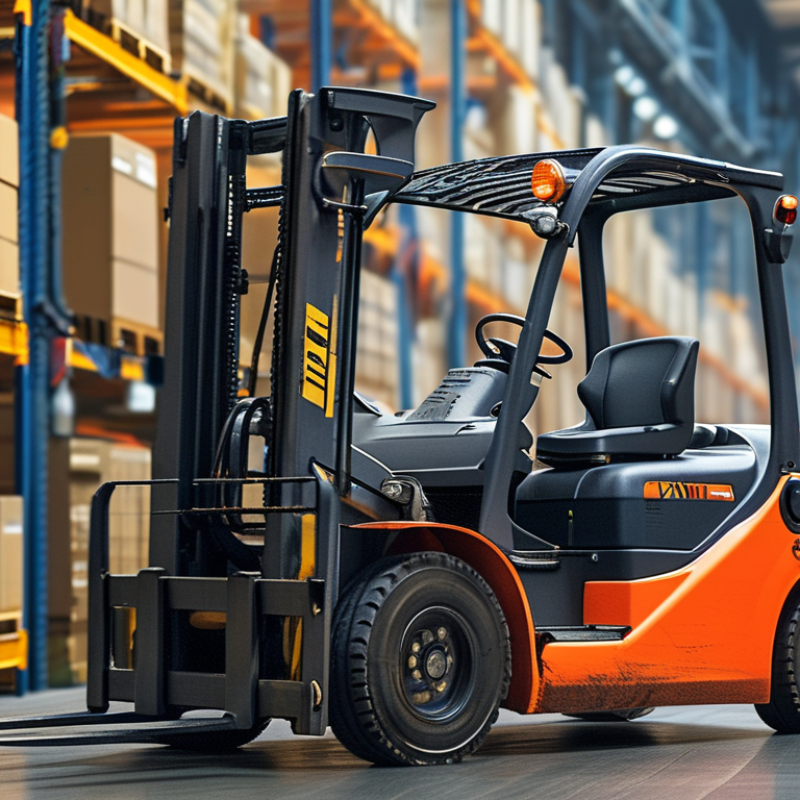
Lift trucks play a crucial role in enhancing warehouse operations. Their ability to lift heavy loads safely and efficiently reduces the risk of injury for workers. This makes the workspace safer and more productive. Moreover, using lift trucks can significantly improve inventory management. For instance, they can reach high shelves, allowing better space utilization. This maximizes storage and minimizes wasted areas in a warehouse.
Another important benefit is the speed of operations. Lift trucks can move products quickly, cutting down the time needed for loading and unloading. This increased efficiency translates to faster order fulfillment. However, relying solely on automation can sometimes overlook the importance of good training. Operators need to understand how to handle these machines properly.
Beyond efficiency, lift trucks can be adapted to various environments. They can navigate narrow aisles or handle different types of loads, from pallets to bulky goods. However, it’s essential for companies to assess their specific needs before investing. Some might find that a different approach suits their operation better. Flexibility and careful planning are key to maximizing the benefits of lift trucks in warehouse setups.
Lift trucks have become essential for optimizing warehouse operations. A variety of lift trucks are available, each designed for specific tasks. Understanding these types can enhance efficiency in any warehouse.
Standard lift trucks are commonly used for transporting pallets and heavy items. They have a robust design, ideal for loading and unloading tasks. However, they may struggle in tight spaces. Narrow aisle lift trucks, on the other hand, excel in confined areas. Their compact size allows for greater maneuverability, which can maximize storage capacity. Consider the layout of your warehouse to make the best choice.
Retractable fork lift trucks offer versatility. They can extend and retract forks for different load heights. Yet, their complex mechanics can lead to maintenance challenges. Additionally, all-terrain forklifts are perfect for outdoor conditions. They can handle various surfaces but may not be suitable for delicate loads. Evaluating these options carefully is crucial for finding the best fit for your warehouse needs.
When selecting a lift truck for your warehouse, there are several key features to consider. Stability is crucial. Look for models designed to handle heavy loads efficiently. The base should be wide enough to prevent tipping. Also, the center of gravity impacts how well the truck performs.
Another important factor is the lifting capacity. Each warehouse may present unique challenges. You need a truck that can meet your specific load requirements. Some jobs may require higher elevations. Evaluate the truck's maximum lift height carefully. Safety features are essential, too. Look for options with emergency brakes and secure operator compartments.
It's also wise to consider the truck's maneuverability. A compact design may work best in tight spaces. However, larger trucks often have more power. Balance is key. Don’t neglect employee training. A knowledgeable team can make a significant difference. It's tempting to prioritize price, but investing in quality pays off.
This bar chart illustrates key features to consider when choosing a lift truck for your warehouse needs, such as load capacity, lift height, battery life, maneuverability, and maintenance costs.
Choosing lift trucks for your warehouse needs can enhance efficiency and reduce operational costs. Lift trucks offer versatility for various tasks, from transporting goods to stacking inventory. Their cost-effectiveness stems from their ability to increase productivity and reduce labor costs.
For optimal use, it’s essential to select the right type of lift truck. Consider your warehouse layout, ceiling height, and the weight of the loads. The wrong choice can lead to inefficiency and increased risks. Keep in mind that training operators properly is vital to maximize safety and performance.
Tips: Regular maintenance is crucial. A well-maintained lift truck reduces the risk of costly repairs. Also, review inventory turnover rates. This can help identify the most effective lift truck for your specific needs. Evaluating these factors continually ensures your operations remain cost-effective and efficient.
When operating lift trucks in warehouses, safety should always come first. These machines are powerful but can pose significant risks if not used properly. For instance, ensuring that operators are trained and certified is essential. Inadequate training can lead to accidents that harm both the operator and nearby workers.
Proper personal protective equipment (PPE) is crucial. Always wear safety vests, helmets, and steel-toed shoes. This equipment guards against injuries from falling objects and accidents. Operators should also routinely inspect their lift trucks before use. Check brakes, lights, and horns to ensure everything functions well.
Tips:
Keep aisles clear to promote safe navigation. This reduces the risk of collisions. Also, communicate with team members through hand signals or radios. Clear communication prevents accidents. Staying aware of your surroundings is vital in a busy warehouse. Lastly, remember to maintain a safe speed while driving the lift truck. Speeding can lead to loss of control, creating hazardous situations.
We are here to help you with all your queries and concerns, just write to us using the below form and we will get back to you as soon as we can.