Choosing the right Core Drill Bit is essential for any drilling project. A core drill bit can significantly impact the efficiency and quality of your work. Understanding your specific needs is crucial. Various materials and tasks require different core drill bits. Selecting the wrong one can lead to delays and frustration.
Consider the material you'll be drilling. For concrete, a diamond core drill bit is often the best choice. It offers durability and precision. If you need to drill into wood or metal, other types may be more appropriate. There are many options available, but not all are suitable for your project.
Make sure to assess the size and depth of the core you need. Inadequate tools can limit your preparations. Reflecting on your experiences, you may realize that relying solely on specifications can be misleading. Testing a few options can provide better clarity and understanding. Core drill bits are crucial, so the right choice will save you time and headaches in the long run.
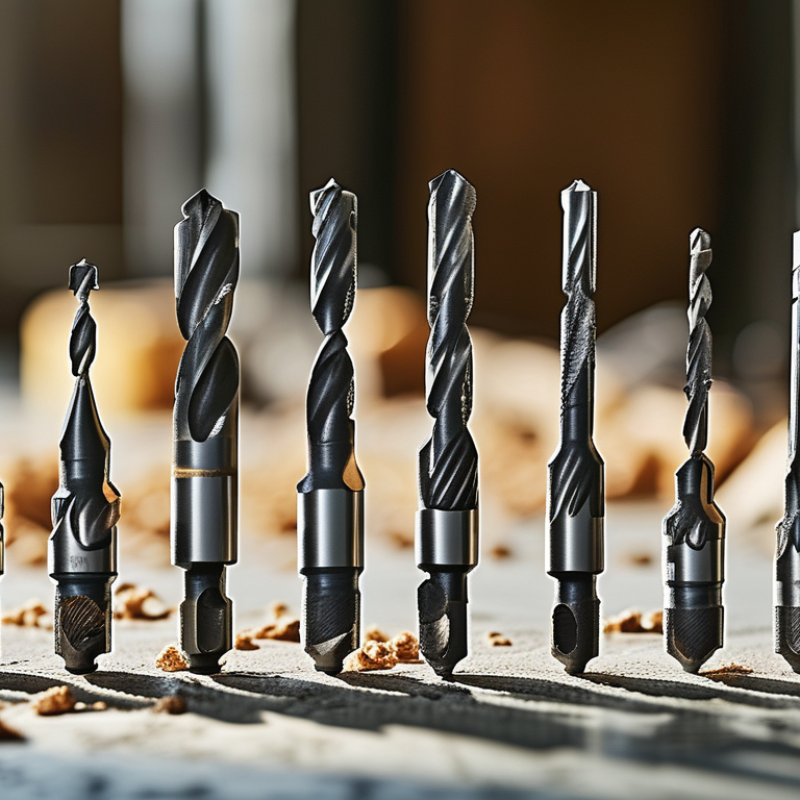
Choosing the right core drill bit requires careful consideration of several factors. The material type is essential. Different bits are designed for specific materials like concrete, masonry, or wood. Knowing your project’s requirements will ensure efficiency and effectiveness.
Tip: Always match the drill bit to the material for optimal results. A mismatched bit can lead to frustration and increased costs.
Diameter is another critical factor. Core drill bits come in various sizes. Larger bits can remove more material at once but may require more power. Small bits provide precision for delicate work. Think about your project's scale before deciding.
Tip: Use a variety of sizes for different tasks. This approach gives you flexibility in your projects.
Lastly, consider the intended use. Will you drill horizontally or vertically? Certain bits perform better in specific orientations. Be sure to think about whether you’re drilling deep holes or shallow ones. Depending on your needs, you might find that some bits perform poorly beyond a certain depth.
Tip: Test a few options on scrap material before committing to a specific bit. This can save time and resources in the long run.
Choosing the right core drill bit depends on your specific needs. Understanding the various types available is essential. For example, diamond core drill bits are popular for their durability. They can cut through hard materials like concrete and masonry. These bits are ideal for professional contractors seeking efficiency for heavy-duty jobs.
Another option is the carbide-tipped core drill bit. This type excels in softer materials, such as wood and drywall. They are cost-effective and provide a clean cut. However, they may not last as long as diamond bits on tougher surfaces. The application you have in mind can dictate which type to choose.
It's vital to consider the drill bit size. Larger diameters allow for more significant holes but can be cumbersome for detailed work. Precision is key, and sometimes a smaller bit might be the wiser choice. Misjudgments can waste both time and materials. Being honest about your project requirements can lead to better outcomes.
| Type of Core Drill Bit | Material | Common Applications | Recommended Use |
|---|---|---|---|
| Diamond Core Drill Bit | Diamond | Concrete, Masonry | Ideal for hard materials |
| Carbide Core Drill Bit | Carbide | Metal, Wood | Best for softer materials |
| HSS Core Drill Bit | High Speed Steel | Metal, Plastic | Versatile and economical |
| Wet Core Drill Bit | Diamond/Carbide | Concrete, Brick | For coolant during drilling |
| SDS Core Drill Bit | Steel | Concrete, Masonry | Optimal for rotary hammers |
When selecting a core drill bit, material compatibility is crucial. Different materials require different types of bits for successful drilling. A diamond-core bit is excellent for hard materials like concrete. For softer materials, such as wood, a high-speed steel bit works well. Understanding the material you will work with helps ensure you choose the best option.
Tips for selecting the right type can help. Always consider the hardness of the material. For very tough materials, choose a diamond or carbide bit for durability. Additionally, your drill’s power and speed settings should match the bit. A mismatched bit can lead to frustration and a lack of effective results in your projects.
Pay attention to the size of the bit too. Using a bit that is too large can create unnecessary stress on your drill. Conversely, using a small bit may lead to excessive effort and slower progress. Each project is unique, where trial and error can lead to the best solution. Remember to reflect on your experiences to refine your choices for future projects.
Choosing the right core drill bit starts with knowing the size and diameter you need. Accurate measurements are crucial. Many users overlook these details, which can lead to poor drilling performance. A well-judged diameter ensures optimal fit and function. For instance, the ANSI standards dictate specific sizes for various applications, making it vital to refer to these guidelines.
When measuring, use a caliper for precision. A common mistake is to rely on approximate numbers. Ensure your measurement accounts for the material being drilled. Soft materials may require smaller bits, while harder substances demand larger diameters. According to industry reports, 70% of drilling failures stem from incorrect bit size choices.
Tips: Always double-check your measurements. Consider drilling a test hole with a standard size before committing to larger projects. Keep in mind that environmental factors like temperature can affect material properties, leading to size variability. Additionally, ensure your drill bit has a proper gripping mechanism to prevent slippage during operation. A secure grip is crucial for accurate drilling.
Proper maintenance is key to extending the life of your core drill bit. Regular cleaning after use helps prevent debris buildup. This simple step keeps the bit sharp and effective.
You should inspect the bit for wear and tear regularly. Look for cracks or dull edges. If any damage is found, it may be time for a replacement.
Storing your drill bit correctly is essential as well. Keep it in a dry place to prevent rust. Using protective cases can also shield it from physical damage. If you’re drilling hard materials, consider adding cooling solutions. This can help avoid overheating, which often leads to faster wear.
Lastly, consider using the right drilling speed. Too fast may lead to damage, while too slow can decrease efficiency. Finding the right balance will keep your bit in optimal condition.
Remember, even small mistakes in handling and storage can impact the durability of your core drill bit. Stay attentive to these details for better results.
We are here to help you with all your queries and concerns, just write to us using the below form and we will get back to you as soon as we can.