
How to Choose the Best Trickle Charger for Your Needs?

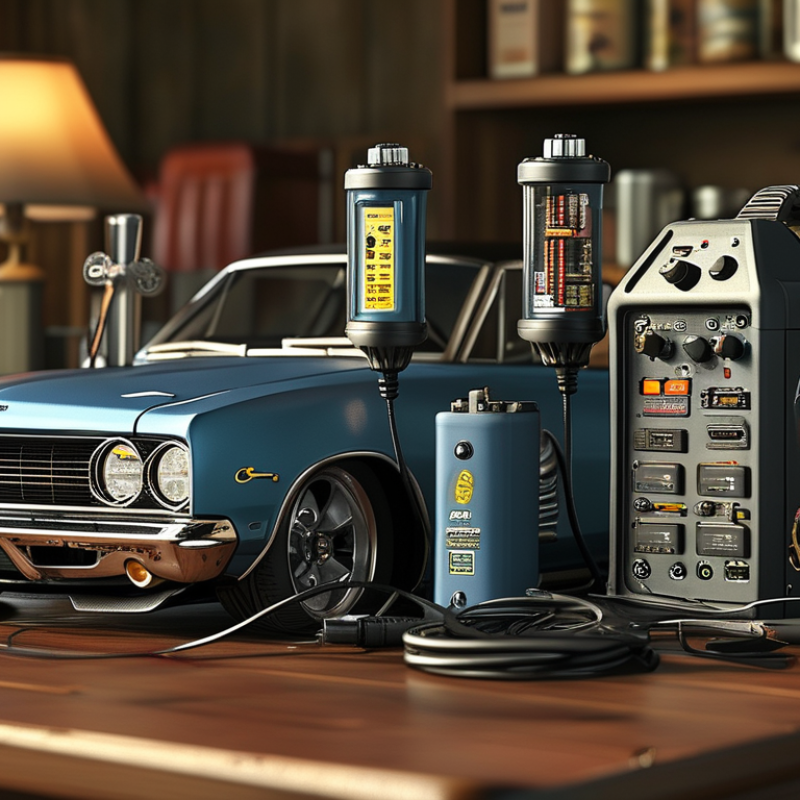
When selecting a trickle charger, it’s essential to consider your specific needs. As automotive expert John Smith states, “The right trickle charger can extend the life of your battery significantly.” Understanding the features available can make a huge difference. Trickle chargers help maintain battery voltage during long periods of inactivity, ideal for classic cars or seasonal vehicles.

With various models on the market, choosing the best one can be overwhelming. Look for safety features, such as protection against overcharging. A reliable trickle charger should be easy to use and compatible with your battery type. Not all chargers are created equal, and some may lack the necessary functionality.

Reflecting on the importance of proper battery maintenance is crucial. Choosing a charger without adequate knowledge can lead to suboptimal performance. Investing time to research, compare, and read reviews ensures you make a sound decision. The right trickle charger not only protects your battery but also cultivates a sense of responsibility.
How to Choose the Best Trickle Charger for Your Needs?

Understanding Trickle Chargers and Their Applications

Trickle chargers are essential devices for maintaining your battery’s health. They provide a low and steady charge. This method prevents battery overcharging, which can lead to damage over time. Understanding your battery's capacity is crucial. A mismatched charger can be ineffective or even harmful.

When assessing your needs, consider the application. Are you using it for a car, motorcycle, or a deep cycle battery? Different batteries require different charging strategies. For example, lead-acid batteries benefit from specific charge patterns. Knowing these patterns can lead to better battery life. It’s also important to check your charger’s voltage and amperage ratings.

It is easy to choose a charger based on price alone. However, the cheapest option might not provide the required efficiency. Look for chargers that have user reviews or expert recommendations. This can guide your choice and provide insight into reliability. Keep in mind, even with the best charger, mistakes happen. Always double-check connections before use to avoid accidents.

Trickle Charger Types and Their Charging Capacities

Key Features to Consider When Selecting a Trickle Charger

When selecting a trickle charger, several key features should be considered. One important aspect is the charger’s voltage compatibility. Knowing whether you need a 12V or 6V charger can significantly impact its performance. The wrong voltage can lead to inadequate charging or, worse, damage to your battery. Also, consider the amperage. A lower amperage allows for a gentler charge, which can be beneficial for battery longevity.

Another factor is the charging type, either fully automatic or manual. Fully automatic chargers can help prevent overcharging by adjusting the charge based on battery needs. However, manual chargers may give you more control, which some users prefer. Look for safety features as well, such as reverse polarity protection or over-temperature cut-offs. These can save you from potential hazards.

Portability can also be crucial, especially if you travel frequently. A lightweight charger can easily fit in your vehicle or garage. Think about the cable length too; shorter cables can limit your options when charging. Always choose one with enough reach to connect comfortably in your space. Reflect on your genuine needs and preferences; neglecting these details may lead to choosing a charger that does not serve you well in the long run.

Types of Trickle Chargers Available on the Market

Trickle chargers are essential for maintaining vehicle batteries, especially during long periods of inactivity. When selecting a trickle charger, it helps to understand the available types. Common options include automatic, manual, and solar trickle chargers. Automatic chargers can detect battery levels and adjust charging accordingly. According to a report by the Battery Council International, about 30% of batteries fail due to improper maintenance. Thus, choosing the right charger is crucial.

Manual chargers require careful monitoring. Users must check the battery level regularly to prevent overcharging. These chargers can be beneficial for those who want to maintain control over the charging process. Conversely, solar trickle chargers use sunlight to recharge batteries. They are an eco-friendly option and perfect for outdoor usage. Reports indicate that solar energy can reduce battery maintenance costs by approximately 20% over time.

Consider the battery type for compatibility. Lead-acid batteries require different chargers than lithium ones. A mismatch can lead to damage or inefficiency. Charging speed also varies; some chargers can take days to fully charge a battery while others do it in hours. It's vital to select a charger that meets your specific needs without overspending. An informed choice ensures longer battery life and better performance.

Evaluating Battery Compatibility for Optimal Charging

When selecting a trickle charger, it’s essential to evaluate battery compatibility. Not all chargers work with every battery type. Different batteries, such as lead-acid, lithium-ion, and gel cells, have unique charging requirements. Understanding these differences can prevent damage and enhance battery life.

Lead-acid batteries typically need higher voltage to charge effectively. In contrast, lithium-ion batteries require a specific charging algorithm. Using a charger not designed for a particular type can result in overheating or inadequate charging. It's crucial to read battery specifications. This step ensures the charger matches the battery’s requirements for optimal performance.

Consider the charger’s amperage rating, too. Lower amperage is safer for long-term charging. While higher amperage may seem appealing, it can lead to quicker degradation of battery life. A balanced approach promotes reliability and efficiency. Reflecting on your specific needs and usage patterns will guide you toward the right choice. Each charger serves a purpose, and understanding your battery type is a key step in making informed decisions.

Tips for Safe and Efficient Use of Trickle Chargers

Choosing the right trickle charger can enhance battery maintenance, but safety and efficiency should always be priorities. Start by understanding the specifications of your battery. Look for chargers with automatic shut-off features. These features prevent overcharging, which can damage the battery over time. Always use a charger with built-in protections against reverse polarity and short circuits. This extra layer of protection ensures that your equipment remains safe during the charging process.

When using a trickle charger, pay attention to your environment. Avoid charging in damp or humid areas, as moisture can lead to corrosion or short-circuiting. It's crucial to keep the charger on a stable, dry surface while in use. Watching for signs of battery overheating is also essential. If you notice any unusual heat while charging, disconnect it immediately. Regularly inspect your charger for signs of wear, such as frayed wires or damaged connectors, and replace them if necessary. This vigilance will help prolong the life of both your charger and battery.

Our dedicated sales and support staff are here to help you identify the ideal pump solution for your needs.

Contact Us