
Choosing the right Industrial PC is crucial for various applications in manufacturing and automation. Companies rely on robust systems that ensure seamless operation. The right Industrial PC enhances productivity and minimizes downtime.
When selecting an Industrial PC, consider key factors such as environmental conditions. If your workspace has high temperatures or dust, you need a rugged system. Make sure the device can handle specific workloads and is compatible with existing systems. It's also wise to think about future needs. Can this Industrial PC adapt to new technologies?
Engaging with experts is essential. Their insights can help you understand the differences in models. Many options exist, and not all will meet your needs effectively. Reflect on these factors, and take time to make decisions. The right choice can lead to significant improvements in your operations.
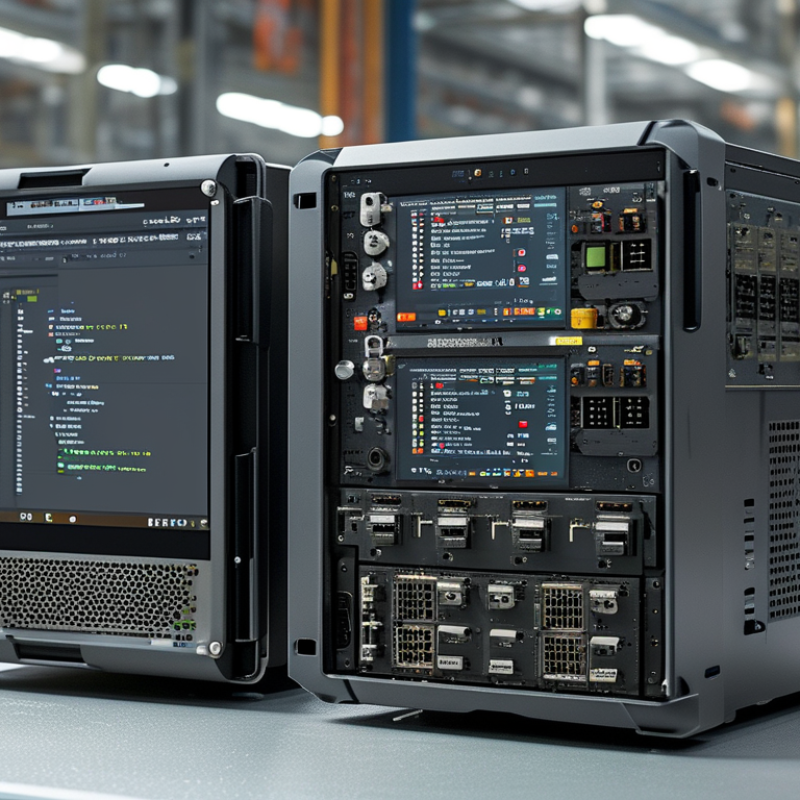
Industrial PCs are essential in various sectors. They are built to withstand harsh environments and operate continuously. Understanding their unique features is critical for making an informed choice.
These computers typically feature rugged designs. They often resist dust, heat, and moisture. It's also important to consider processing power and memory capacity. Different applications may demand higher specifications. Some industries may need basic functionality. Others rely heavily on complex data processing. Knowing your application helps narrow down options, yet it is easy to overlook specific needs.
Compatibility with existing systems is vital. Ensure the selected industrial PC integrates seamlessly. This prevents future headaches during deployment. Manufacturer support and product longevity are crucial too. Choose products that offer reliable after-sales service. This enhances confidence in your investment. Yet, identifying the right level of support may require research and reflection on past experiences.
When selecting an industrial PC, identifying your specific requirements is crucial. Start by considering the environment where the PC will be used. Will it be exposed to dust, moisture, or extreme temperatures? A rugged design may be essential for such conditions. Evaluating the operating system is also important. Some applications run better on specific systems, so ensure compatibility to avoid performance issues.
Next, think about processing power and memory. Analyze the tasks the PC will perform. If you plan to run complex simulations or data analysis, invest in higher specifications. However, be mindful of your budget. Finding the right balance often requires trade-offs. It’s a common pitfall to overspend on unnecessary features.
Finally, consider connectivity options. Many industrial applications require multiple input and output ports. Assess if wireless connectivity is needed for remote access or if wired connections suffice. Flexibility in connectivity can enhance functionality but may complicate installation. Reflect on the implications of your choices on future scalability. Each decision shapes the effectiveness of your setup, requiring careful thought.
When selecting an industrial PC, performance factors are critical. The CPU serves as the brain. For demanding applications, a multi-core processor is essential. According to industry reports, dual-core processors can struggle with high-end tasks. A quad-core option could significantly enhance performance. This boost helps in real-time processing.
RAM is another vital aspect. Systems with at least 8GB are standard for most applications. However, for advanced computations, 16GB or more is recommended. Studies show that machines with inadequate RAM experience slowdowns. Data access becomes sluggish, affecting overall productivity. In settings with complex operations, exceeding 16GB can prevent bottlenecks.
Storage options also impact speed and efficiency. Solid-State Drives (SSDs) outperform traditional Hard Disk Drives (HDDs) in speed. Reports indicate that SSDs can reduce load times by up to 50%. This improvement is crucial in environments where time is money. Hybrid solutions may offer a balance, but often lack the speed of pure SSD configurations. Performance evaluations can be complex, requiring careful analysis tailored to specific workloads.
Selecting the right industrial PC involves more than just technical specifications. Environmental factors play a critical role in ensuring optimal performance. Different environments require unique considerations. For example, machines operating in dusty or wet locations must be protected from these elements. Look for PCs with high IP ratings to ensure dust and water resistance.
Temperature is another crucial aspect. Extreme heat or cold can affect performance and longevity. Industrial PCs should be able to function within a wide temperature range. Evaluating heat dissipation features is important. Additionally, consider vibration and shock resistance. These factors are vital for machines in dynamic settings, such as factories.
No single solution fits all scenarios. Each workspace presents its own challenges. Assessing these factors carefully can prevent costly downtime. Industrial PCs should meet the specific needs of their environment. They need to be resilient yet adaptable. The success of such devices often hinges on a thorough understanding of their operating conditions.
When selecting an industrial PC, brand and model play a crucial role. Many decisions hinge on quality and reliability benchmarks. According to a recent industry report, nearly 30% of industrial PCs fail to meet operational expectations due to subpar specifications and durability issues. This indicates that understanding the specific needs of your environment is vital.
Key factors to consider include processing power, temperature tolerance, and load capacity. Processor speed is essential, particularly in data-intensive tasks. A reliable model typically incorporates robust thermal management systems to withstand extreme conditions. Research from independent testing shows that models with a higher IP rating generally last longer in harsh environments. Remember, not all high-priced units deliver on performance. Value is often found in less recognized brands that excel in quality.
Delving into user reviews and third-party evaluations can reveal insights into product longevity. While some brands showcase stellar features, real-world performance can differ significantly. A significant percentage of users report dissatisfaction with support services. Click-through rates on comparison sites indicate a rising trend where buyers prioritize reliability over brand prestige. This shift emphasizes the need for diligent research and consideration of less popular options in the marketplace.
We are here to help you with all your queries and concerns, just write to us using the below form and we will get back to you as soon as we can.