How to Choose the Right Solution Pump for Your Needs?

When selecting a solution pump, it is essential to understand your specific needs. Various solution pumps cater to different applications. Your choice should depend on factors like flow rate, pressure, and fluid type. For instance, a chemical solution pump will differ significantly from one designed for wastewater applications.

Understanding these factors creates a tailored approach. A thoughtful selection enhances performance and efficiency. Many individuals overlook the compatibility of materials used in the pump. This can lead to premature failures, impacting productivity.

Additionally, expert advice can be invaluable. Consulting with professionals can ensure you make a well-informed decision. Reliable sources and technical specifications are crucial. Ultimately, the right solution pump can optimize operations and reduce long-term costs.
How to Choose the Right Solution Pump for Your Needs?

Understanding Different Types of Solution Pumps and Their Applications

When selecting a solution pump, understanding the various types and their applications is crucial. Centrifugal pumps, for instance, are ideal for handling large volumes of fluid. They operate by converting rotational energy to move liquids at high flow rates. According to a recent industry report, centrifugal pumps account for nearly 80% of the global market due to their efficiency and reliability.

Positive displacement pumps are another common type, suitable for high-viscosity fluids. These pumps move liquids by trapping a fixed amount and forcing it into the discharge pipe. They maintain a constant flow rate regardless of the pressure. This is particularly beneficial in applications requiring precise dosing. However, they may not handle abrasive fluids well, highlighting the need for careful selection.

**Tips:** Always evaluate the fluid characteristics before choosing a pump. Consider viscosity, temperature, and potential abrasiveness. It’s important to match the pump type to specific needs to avoid operational issues. Regular maintenance is crucial for long-term reliability as well. Overlooking minor repairs can lead to significant downtimes and costs. Adapting to evolving technologies can make a difference in pump efficiency and lifespan.
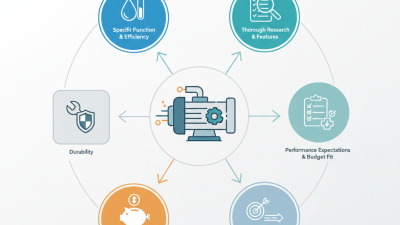
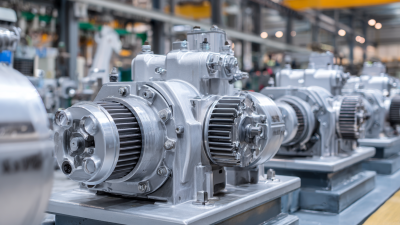
Key Factors to Consider When Sizing a Solution Pump

Choosing the right solution pump requires careful consideration of several key factors. First, understanding the fluid characteristics is essential. The viscosity and specific gravity of the liquid can greatly impact pump performance. According to industry data, pumps for high-viscosity fluids may require 20-30% more energy to operate efficiently.

Next, consider the flow rate needed for your application. A mismatch in flow rate can lead to inefficiencies or system failures. Reports suggest that 40% of pumps in the field fail to meet their intended flow requirements. This can lead to costly downtime and increased maintenance.

Additionally, system pressure must be evaluated. Ensure your pump can handle the maximum pressure in your system. Often, pumps are oversized, which wastes energy and increases operational costs. Many installations could benefit from a thorough assessment of the operational parameters to find a more suitable pump size. Adjusting for these variables can optimize the performance and reliability of your system.

Analyzing Fluid Characteristics for Optimal Pump Selection

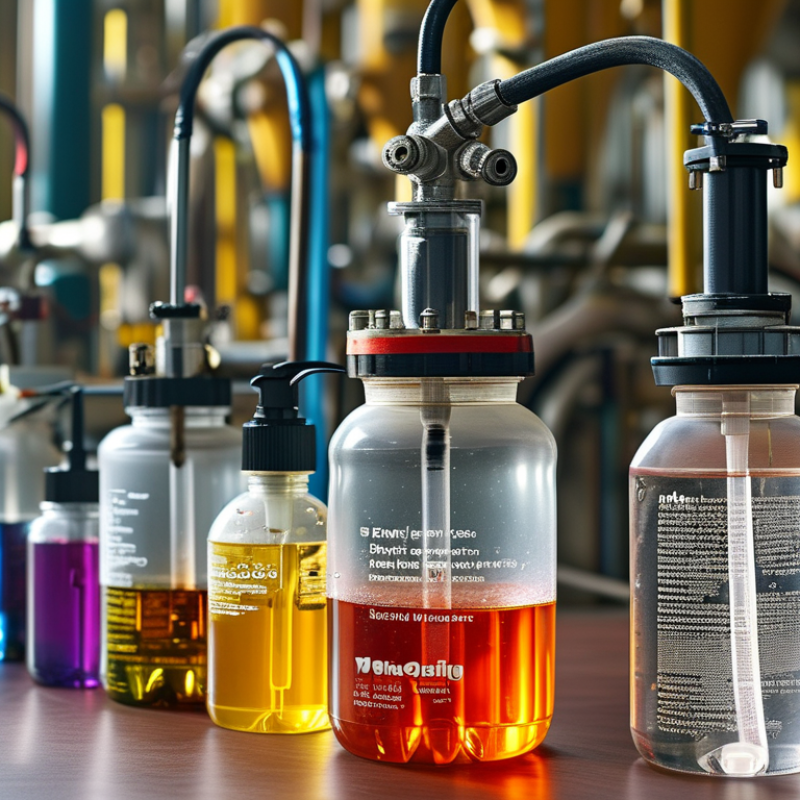
When it comes to selecting the right solution pump, understanding fluid characteristics is vital. The viscosity, density, and chemical compatibility of the fluid significantly influence pump performance. According to industry reports, nearly 60% of pump failures stem from misalignment with fluid properties. Therefore, analyzing these characteristics can save time and resources.

Viscosity affects the flow rate and energy consumption. Fluids with high viscosity require pumps designed for heavy-duty tasks. For reference, the American Society of Mechanical Engineers indicates that every increase in viscosity can increase energy demands by up to 30%. Keep in mind that choosing a pump with the wrong specifications can lead to inefficiencies and potential system breakdowns.

**Tip:** Conduct thorough fluid analysis before making a decision. Use reliable testing methods to evaluate fluid properties. Also, consider the operating environment for compatibility. Research shows that around 45% of users overlook this, resulting in increased maintenance costs.

For corrosive fluids, ensure the selected pump materials can withstand these challenges. Selecting the wrong material may lead to premature wear and tear. This emphasizes the importance of being meticulous in your evaluation process. It's crucial to avoid assumptions based on general pump types without this foundational analysis.

Fluid Viscosity vs. Pump Selection

This chart illustrates the viscosity of various fluids that are commonly pumped. Understanding the viscosity of the fluid is essential for selecting the right type of pump for optimal performance.

Assessing Pump Materials for Chemical Compatibility and Durability

Choosing the right solution pump involves careful consideration of materials. Understanding chemical compatibility is crucial. Each chemical interacts differently with various materials. For example, acidic substances may degrade certain plastics, while others remain unaffected. A wrong choice can lead to leaks or equipment failure, compromising your operation.

Durability also plays a significant role in your decision. Pumps constructed from stainless steel offer excellent longevity. However, they may not suit all chemicals. Some may corrode stainless surfaces, leading to costly repairs. Evaluating your specific application helps in selecting materials that can withstand environmental stresses. Pay attention to the pH levels and temperatures of the fluids involved.

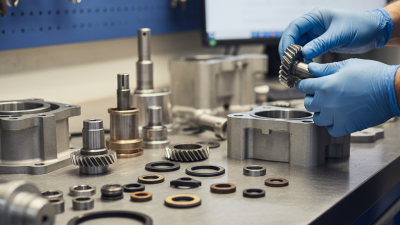
Regular maintenance is essential, regardless of material choice. Inspecting seals and gaskets can prevent unexpected breakdowns. You might find that even high-quality pumps require replacements sooner than expected due to overlooked chemical interactions. Always review specifications and seek expert advice to ensure reliability in your pumping system.

Evaluating Performance Specifications: Flow Rate, Head, and Efficiency

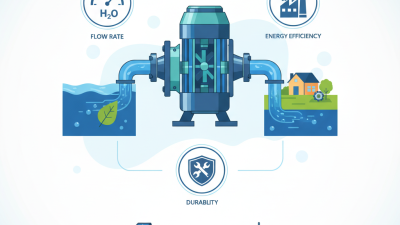
Choosing the right solution pump requires careful evaluation of performance specifications like flow rate, head, and efficiency. Flow rate indicates how much liquid a pump can move in a given time. Knowing your application's required flow rate is crucial. For instance, a system needing 50 gallons per minute will not function properly with a pump rated for only 30 gallons.

The head measurement reflects the pump's ability to move fluid against gravity. Understanding the vertical lift needed in your system helps ensure that you don't overspend on unnecessary pumping power. An inefficient pump can lead to increased energy costs. Achieving the right balance is essential. A pump with too high a head might waste energy, whereas one with insufficient head can cause underperformance.

Efficiency is another key factor. It is often overlooked but can significantly impact long-term costs. A pump that consumes too much energy can quickly become a liability. Regularly reassessing these specifications will help avoid costly mistakes. Evaluate your needs regularly, and adapt accordingly. The right pump not only improves efficiency but can also prolong equipment life. This is a dynamic process, and what works today might need reevaluation tomorrow.

Our dedicated sales and support staff are here to help you identify the ideal pump solution for your needs.

Contact Us