How to Effectively Pump Move Materials in Your Projects?

In the world of construction and engineering, effective material handling is crucial. Experts like John Peterson, a leading voice in the pump move industry, emphasize the importance of efficiency. He once stated, "A well-planned pump move can save time and reduce costs." This insight underscores the need for effective strategies in material transportation.

The process of pump moving materials requires careful consideration. Choosing the right pump type is essential. The design, size, and capacity can determine the success of a project. Pump move efficiency directly impacts schedules and budgets. It's a balancing act that demands both expertise and practical experience.

Mistakes can occur, leading to unexpected delays. For instance, improper pump selection might hinder workflow. Reflecting on such challenges can lead to improvement. It highlights the need for continuous learning in this field. By carefully analyzing past projects, professionals can enhance future pump moves.

How to Effectively Pump Move Materials in Your Projects?

Effective Techniques for Pumping Materials in Construction Projects

Pumping materials efficiently is crucial in construction projects. Proper techniques can save time and reduce costs. For instance, using the right size and type of pump is essential for specific materials. A well-chosen pump enhances performance and reliability.

Another technique is to ensure optimal setup. This includes positioning the pump close to the material source. Keeping hoses straight and minimizing bends can prevent blockages. Regular maintenance checks on the equipment help catch issues early. Sometimes, however, workers overlook small details, leading to unexpected delays.

Training team members in best practices is vital. Continuous practice and scenario drills can improve efficiency. Yet, in some cases, communication breakdowns occur, resulting in mistakes. Reflecting on these challenges can foster a culture of learning and improvement. Recognizing that even experienced teams encounter issues is part of effective project management.
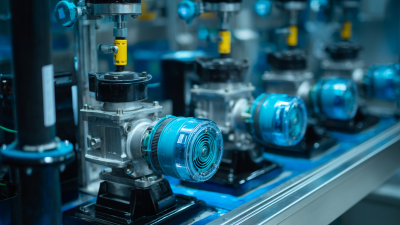
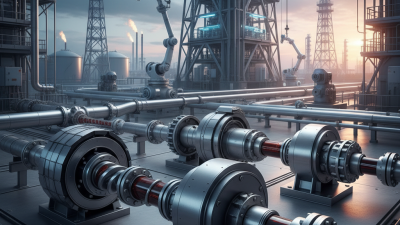
Material Pumping Efficiency in Construction Projects

Understanding Pump Types: Selecting the Right Pump for Your Needs

Selecting the right pump is crucial for any project involving material movement. Different types of pumps serve specific needs. Centrifugal pumps are ideal for clear fluids, but they struggle with viscous materials. Submersible pumps thrive in water-filled environments, but they may not handle solid debris well.

Understanding the application is vital. For example, a project requiring precise chemical dosing needs a diaphragm pump for accuracy. On the other hand, a quarry operation might require a heavy-duty slurry pump. It’s essential to evaluate factors like flow rate and pressure. Many overlook these details, which can lead to inefficiencies.

Don’t forget maintenance. Regular checks prevent costly downtime. Pumps wear over time. Ignoring this could cause unexpected failures. Reflecting on your pump choice can save resources in the long run. Always assess your project’s unique requirements before making a decision.

Key Factors Influencing Pump Efficiency and Performance Metrics

When it comes to pumping materials in your projects, several key factors influence efficiency and performance metrics. The choice of pump type significantly affects flow rates and pressure levels. A centrifugal pump may work well for clean liquids, while positive displacement pumps excel with thick or viscous materials. This simple choice can alter project timelines and costs.

Another aspect to consider is the pump's operating speed. Higher speeds can increase flow, but they may also lead to wear and higher energy consumption. Balancing speed with durability is crucial. Additionally, the design of the piping system impacts performance. Long or convoluted pipe runs can create friction losses, reducing efficiency.

Regular maintenance is essential for preserving pump performance. Neglect can lead to unexpected downtimes and reduced output. Understanding the specific materials being pumped is also vital. Their viscosity and density will directly influence how well the pump functions. Evaluating these factors can lead to more informed choices in project planning. However, it is important to note that no system is flawless. Regular assessments can reveal opportunities for improvement and increased effectiveness.

Safety Practices in Material Pumping: Compliance and Best Practices

Safety practices in material pumping are essential for ensuring compliance and minimizing risks on job sites. According to a report by the International Society for Construction Safety, improper handling of materials contributes to over 30% of workplace accidents. Implementing effective safety measures is crucial for promoting a culture of awareness and responsibility among workers.

Tips for safety include proper training. Workers must understand the equipment they use and the specific materials they handle. Regular training and refreshers can significantly reduce risk. Use clear signage to guide workers and indicate potential hazards. Equipment must be maintained in good working condition to prevent malfunctions.

Having a clear communication plan is vital. Workers should report any concerns or near-misses immediately. Investing in safety gear, such as helmets and protective eyewear, can protect workers from injuries. Remember, oversight in safety can lead to severe consequences. Frequent evaluations of safety practices help identify areas for improvement, reinforcing the importance of a proactive approach.

Cost-Benefit Analysis of Pumping Options in Project Management

When considering pumping options for projects, a cost-benefit analysis becomes essential. Each option presents distinct advantages and drawbacks. For instance, centrifugal pumps often offer efficiency. However, they may lack flexibility in handling varying material types. In contrast, positive displacement pumps can manage thicker materials. Yet, they usually have higher operational costs. Analyzing these factors can help determine the best fit for your projects.

Project managers should assess not just the initial costs but also maintenance, energy consumption, and potential downtime. While a more expensive pump might seem daunting, its efficiency could yield long-term savings. Sometimes, cheaper options may lead to frequent repairs and downtime. Analyzing all these aspects fosters informed choices.

Real-world scenarios illustrate the importance of this analysis. One project faced delays due to inadequate pumping efficiency. The decision to switch to a different pump led to increased costs initially. However, it ultimately paid off by minimizing project time. Reflecting on such experiences can inform future decisions and improve overall project outcomes.

Our dedicated sales and support staff are here to help you identify the ideal pump solution for your needs.

Contact Us