In the world of industrial machinery, finding quality gear pump spare parts is crucial for maintaining efficiency and productivity. According to John Smith, a renowned expert in fluid mechanics, "The right spare parts are the backbone of reliable operations." His insights highlight the importance of sourcing components that not only fit but also enhance performance.
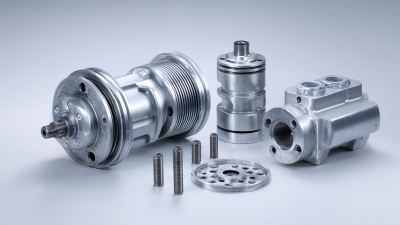
Gear pump spare parts come in various forms, from seals to rotors. Each component plays a vital role in the pump's functionality. Selecting the right parts can prevent costly downtime and ensure smoother operations. However, the market is flooded with options, and not all parts meet industry standards. This raises the question: how can one distinguish between quality and subpar items?
Even seasoned professionals sometimes struggle with this challenge. Often, the pursuit of affordable solutions leads to compromises in quality. Thus, it becomes essential to assess every potential purchase critically. Quality should always trump price when ensuring the longevity of gear pumps. Understanding this principle can make a significant difference in performance over time.
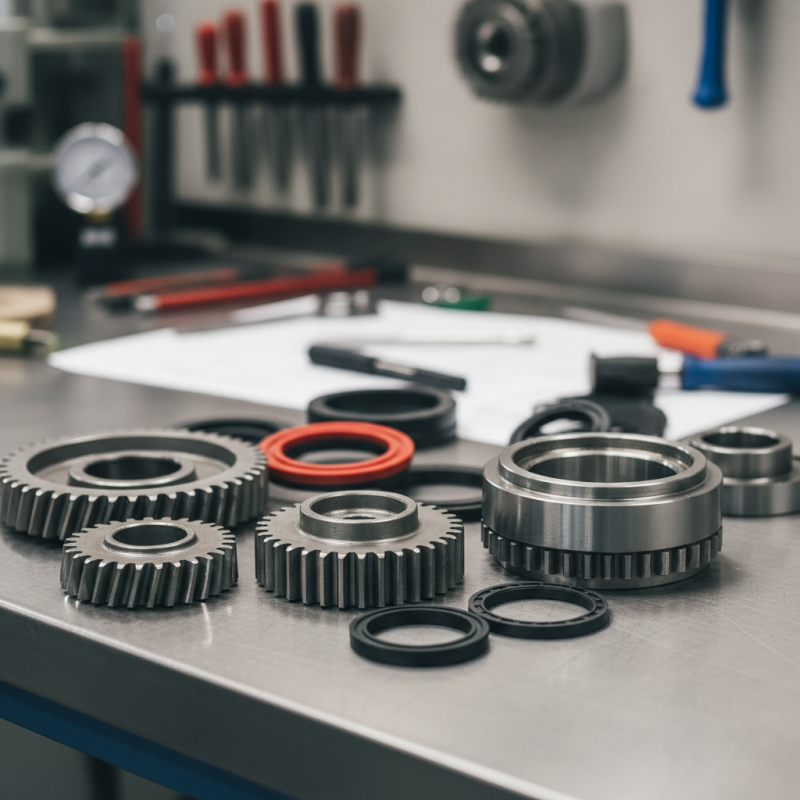
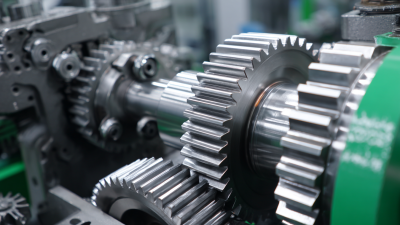
When discussing gear pump spare parts, understanding key components is crucial. A gear pump primarily consists of two gears, a pump casing, and seals. The gears are responsible for transferring fluid. Small variations in their design can significantly impact pump efficiency. Research shows that even a 5% change in gear size affects flow rates.
Wear and tear on seals can lead to leaks and system inefficiencies. Regular inspections reveal that 70% of pump failures are due to seal degradation. Selecting high-quality seals is essential for longevity. Additionally, the pump casing must be robust enough to withstand pressure fluctuations. Weak casings may crack or deform, affecting performance.
Knowledge of these components helps in making informed decisions when replacing parts. An informed selection minimizes downtime. However, sourcing quality spare parts can be challenging. Not all suppliers meet industrial standards. It's important to verify supplier credentials and ask for certifications. This ensures the components used are not only suitable but reliable.
| Component | Description | Material | Common Issues | Replacement Frequency |
|---|---|---|---|---|
| Gear | Drives the pump by converting rotational motion into fluid movement. | Cast Iron / Steel | Wear due to friction or misalignment. | Every 5,000 hours |
| Seals | Prevents leakage of fluid from the pump. | Rubber / Teflon | Degradation from heat and pressure. | Every 3,000 hours |
| Bushings | Supports the rotating shaft and reduces friction. | Bronze / Plastics | Worn out due to excessive load. | Every 2,500 hours |
| Drive Shaft | Transfers power from the motor to the gear. | Steel | Bending or fractures from overload. | Every 10,000 hours |
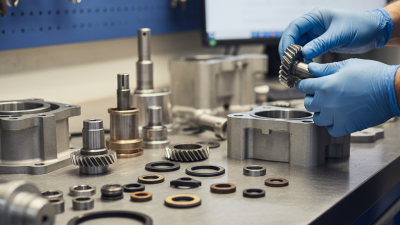
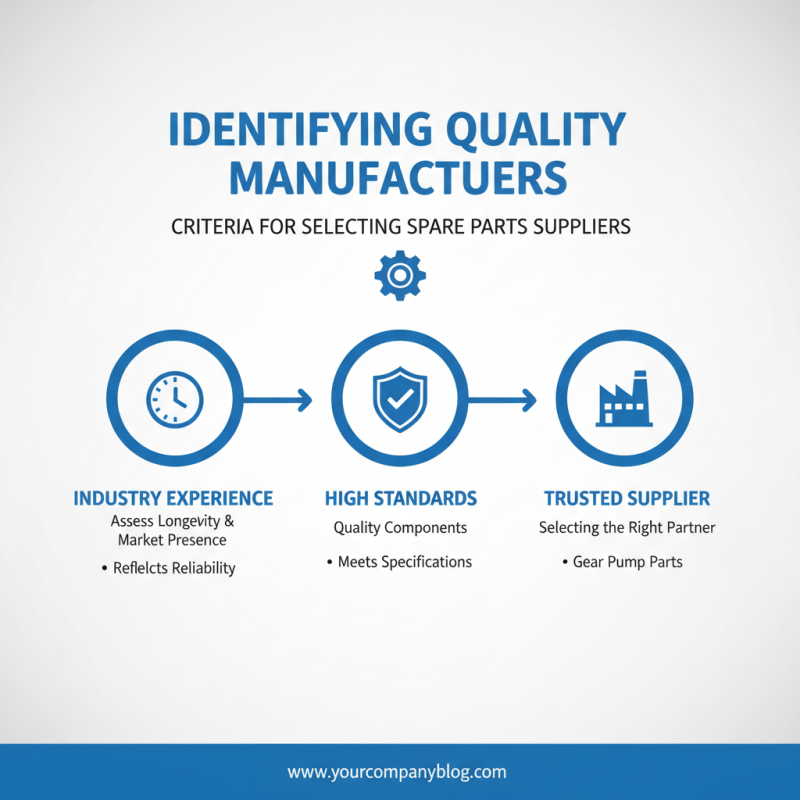
When looking for quality gear pump spare parts, selecting the right manufacturer is crucial. Assess potential suppliers based on their experience in the industry. A manufacturer with extensive knowledge can often produce components that meet high standards. Consider how long they have been in the market. Longevity often reflects reliability and stability.
Evaluate the manufacturing processes used by suppliers. Factories that implement advanced technologies usually produce parts with precise specifications. Check if they adhere to international quality standards. Certifications can indicate commitment to excellence. Customer reviews and testimonials provide insights into their reputation. A strong track record of positive feedback is a good sign.
It’s also important to review their customer support services. Quick response times and technical assistance can be indicators of a trustworthy supplier. However, be cautious. Some manufacturers may excel in one area but fall short in another. Look for a well-rounded approach. This balance will ensure you receive the best quality parts for your gear pumps.
When sourcing quality gear pump spare parts, focusing on industry standards and certifications is crucial. These guidelines ensure that the components you choose are reliable and effective. Look for parts that meet strict quality benchmarks. Certifications often indicate that products have undergone rigorous testing.
A certified gear pump part typically goes through multiple quality control stages. This process ensures that it can withstand various operating conditions. Parts without certifications might appear appealing in price, but they often lack long-term reliability. Poor quality can lead to equipment failure, resulting in costly downtimes.
Seek out suppliers who prioritize industry standards. This approach reflects their commitment to quality. Engaging with experienced professionals can also guide your purchasing decisions. Sometimes, we may overlook subtle signs of inferior quality. It’s imperative to evaluate all options critically. Only by doing so can we ensure that our operations run smoothly.
When assessing the quality of gear pump spare parts, performance metrics play a crucial role. Start by examining the materials used in manufacturing. High-quality materials typically lead to better durability and efficiency. Look for parts that can withstand high pressure and temperature fluctuations. This is essential for reliable operation in demanding environments.
Another important metric is compatibility. A spare part must fit seamlessly with your existing system. Mismatched parts can cause inefficiencies and lead to early failures. Use precise measurements when evaluating compatibility. Check the specifications closely against your existing equipment.
Finally, consider the manufacturer’s reputation. A company’s history in the industry can provide insights into the reliability of their products. However, not all reputable manufacturers produce perfect parts. Sometimes, flaws are present even in high-quality components. Therefore, user reviews and experiences are invaluable. They reveal potential issues that official specifications might overlook. Always seek feedback from trusted sources when making a decision.
In 2026, purchasing quality gear pump spare parts involves a delicate balance of cost-effectiveness and durability. Buyers often feel overwhelmed by numerous options available in the market. Quality should be a priority, but budget constraints can complicate this decision-making process. Many professionals advocate for evaluating the long-term value of items instead of solely focusing on upfront costs.
One effective strategy is to look for suppliers with a solid reputation. Seek recommendations from industry peers and review online feedback. Reliable suppliers often provide extensive product information, ensuring clarity in their offerings. Quality often correlates with the materials and manufacturing processes used. Paying attention to these factors can prevent future complications, but remember that even reliable sources may not always meet expectations.
Transparency in sourcing materials is crucial. Some cheaper parts may lead to unexpected failures, causing operational delays. It’s tempting to cut costs, yet it can be counterproductive. Reflect on past experiences with subpar products. Investing a bit more upfront might save significant costs and stress later. Make informed choices based on both economic and performance assessments. Your decisions today can significantly impact operational efficiency in the future.
We are here to help you with all your queries and concerns, just write to us using the below form and we will get back to you as soon as we can.