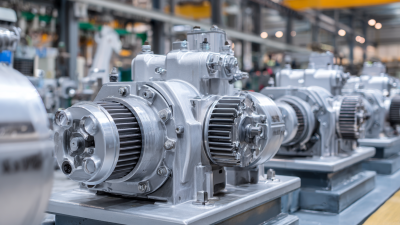
What is the Importance of Pump Spare Parts in Industrial Applications?

In the realm of industrial applications, the significance of pump spare parts cannot be overstated. According to industry expert John Smith, "Reliable pump spare parts are crucial for maintaining efficiency in any operation." This statement encapsulates the essence of why these components matter so much. When a pump breaks down, production grinds to a halt. Delays can cost companies immense amounts of money.

The reliability of pump spare parts directly impacts operational efficiency. High-quality replacements minimize downtime and reduce maintenance costs. However, not all spare parts are created equal. Some may fit physically but fail to meet performance standards. This mismatch can lead to inefficient pumping systems. Companies must prioritize sourcing parts that adhere to industry specifications, ensuring that not only do they fit, but they also function optimally.

Choosing the right pump spare parts requires careful consideration. The ideal components should exhibit durability and compatibility. Over time, even the best parts wear out. Regular assessments of spare parts are essential. With proper planning, businesses can avoid surprises. This proactive approach is not always implemented. Ultimately, investing in quality pump spare parts yields long-term benefits, reinforcing the need for vigilance in selection.
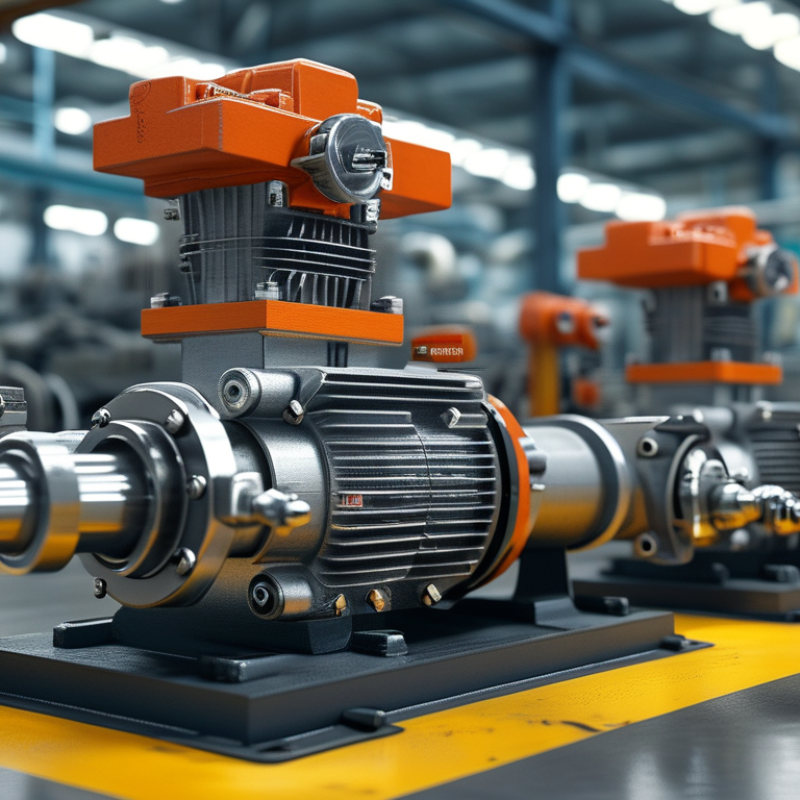
What is the Importance of Pump Spare Parts in Industrial Applications?

The Role of Pump Spare Parts in Ensuring Operational Efficiency

In industrial applications, pump spare parts are crucial for maintaining operational efficiency. According to industry reports, around 30% of maintenance costs can be attributed to pump failures. These failures often stem from the lack of spare parts readily available during repairs. When a pump fails, the entire operation can grind to a halt. Downtime can cost companies thousands of dollars each hour. Therefore, having the right spare parts on hand can significantly reduce this risk.

Consider regular maintenance checks. By identifying worn-out components early, companies can replace them proactively. This approach prevents unexpected failures that disrupt workflows. It's essential to keep an inventory of critical spare parts that match your pump specifications. Many experts recommend that businesses maintain at least 10-20% of the spare parts necessary for their most commonly used pumps.

Understanding the life cycle of pump components can enhance efficiency. A study indicated that investing in genuine spare parts enhances pump life by up to 40%. However, not all spare parts are made equal. Using inferior components can lead to further damages. Reflecting on these factors allows companies to make informed choices. Prioritizing reliable spare parts fosters a culture of preventive maintenance that benefits overall operational performance.

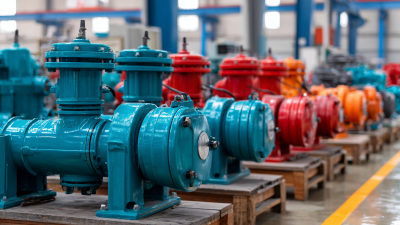
Impact of Spare Parts Availability on Downtime in Industrial Operations

The availability of pump spare parts significantly impacts downtime in industrial operations. When a pump fails, production halts until repairs are made. Research indicates that unplanned downtime can cost businesses between $500,000 to $2 million per hour, depending on the industry. The quicker a company can access spare parts, the less financial loss it faces.

Many manufacturers struggle with spare parts management. A report by the Aberdeen Group found that 79% of companies experience increased downtime due to delayed part availability. This statistic highlights the necessity of having an efficient supply chain in place. It is crucial to assess spare parts inventory regularly and forecast demand accurately. Without proper planning, facilities risk prolonged outages and escalating costs.

Make sure to create a detailed inventory of critical spare parts. Keep an eye on usage rates to predict future needs more accurately. Regularly update your maintenance schedules to include inspections for pumps and other equipment. This proactive approach can reduce downtime significantly. The focus on spare parts management should never be underestimated in its role in maintaining operational efficiency.

Importance of Spare Parts in Industrial Applications

The chart below illustrates the impact of spare parts availability on downtime in industrial operations. The data represents the average downtime (in hours) experienced due to varying levels of spare parts availability. As the availability of spare parts increases, the expected downtime decreases significantly, highlighting the critical role of spare parts in maintaining operational efficiency.

Cost-Benefit Analysis of Using Genuine Spare Parts vs. Alternatives

The cost-benefit analysis of using genuine spare parts versus alternatives is crucial in industrial applications. Genuine parts are designed specifically for equipment. They often offer improved reliability and performance. When machines break down, using alternative parts can lead to issues. They may appear cheaper but often lack the quality and durability of genuine components.

Consider the long-term impacts. A lower upfront cost can lead to higher downtime costs. If a pump fails due to subpar parts, the financial losses can quickly escalate. In contrast, genuine spare parts might be more expensive initially, but they can save money in the long run. Investing in quality often leads to fewer repairs and longer equipment life.

Furthermore, the decision-making process can be complicated. Some facilities might overlook the importance of brand reliability. Personal experiences vary widely, and not all alternatives are disastrous. However, the risks associated with cheaper parts raise questions about performance and safety. Choosing genuine spare parts often provides peace of mind that alternatives cannot guarantee.

Key Spare Parts Components that Affect Pump Performance and Longevity

In industrial applications, pump spare parts play a crucial role in maintaining performance and extending equipment lifespan. Key components such as seals, bearings, and impellers significantly impact operational efficiency. When these parts wear out, the entire system can suffer, leading to decreased productivity and increased downtime.

Using high-quality spare parts is essential. Many facilities overlook this point, opting for lower-cost alternatives that may not perform well. Selecting the right materials ensures a reliable seal. A robust impeller can handle high-pressure situations without deformation. Maintenance teams must regularly inspect these critical components to avoid unexpected failures.

One common oversight is ignoring the replacement schedule for bearings. If they're not replaced timely, they can cause significant damage to the pump. Regular training on spare parts can empower staff. This knowledge helps in recognizing wear signs early. Implementing a preventive maintenance plan can reduce the risk of pump failure and increase lifecycle longevity. Keeping a well-organized inventory of spare parts will facilitate quick replacements when needed.

Trends in Pump Spare Parts Manufacturing and Industry Innovations

In the evolving landscape of pump spare parts manufacturing, industry innovations are pushing boundaries. Recent reports indicate that the global pump spare parts market is projected to reach $7.5 billion by 2025, growing at a CAGR of 5.2%. This growth is largely driven by advancements in materials and fabrication techniques. Improved durability and efficiency are now at the forefront of new designs, ensuring better performance in various industrial applications.

Manufacturers are increasingly adopting 3D printing technology for spare parts. This method reduces lead times and lowers production costs. It also allows for customized solutions tailored to specific operational needs. Moreover, predictive maintenance tools powered by IoT are becoming standard. They enable facilities to anticipate failures before they occur, enhancing reliability and extending equipment lifespan.

To optimize your pump operations, consider regular audits of spare parts inventory. Ensure you are stocked with high-demand items to prevent downtime. Embracing data analytics can also provide insights into usage patterns. This helps in making informed decisions about procurement and inventory management, leading to operational efficiency. Each step you take can contribute to overall operational reliability in the long run.

Our dedicated sales and support staff are here to help you identify the ideal pump solution for your needs.

Contact Us