Buying a knitting machine often begins with one simple question: how much will it cost? The answer depends on machine type, brand, condition, features, and intended use. A basic manual model may cost around $100 to $300, while advanced electronic machines can reach several thousand dollars.
This guide explains the main Knitting Machine Price ranges in a practical, realistic way. It compares entry-level, mid-range, professional, and commercial options. You will also see how accessories affect the final budget. Ribber attachments, transfer tools, replacement needles, and pattern systems can add noticeable costs. A machine listed at $250 may require another $80 for useful accessories.
Prices change frequently.
The estimates in this article reflect common retail, specialist, and second-hand market patterns. However, they are not fixed promises. Regional taxes, shipping fees, import charges, and product availability can change the final amount. Used machines may look affordable, but worn needles, missing manuals, or damaged carriages can create unexpected expenses.
I have treated value as more than the purchase price. A reliable machine should match your skill level, project size, learning time, and maintenance ability. Some expensive models offer speed and automation, but they may overwhelm beginners. Meanwhile, a cheaper manual machine can produce excellent fabric with patience and practice. That distinction is easy to overlook.
Read through each range carefully before choosing. A clear budget helps, but honest expectations matter more.
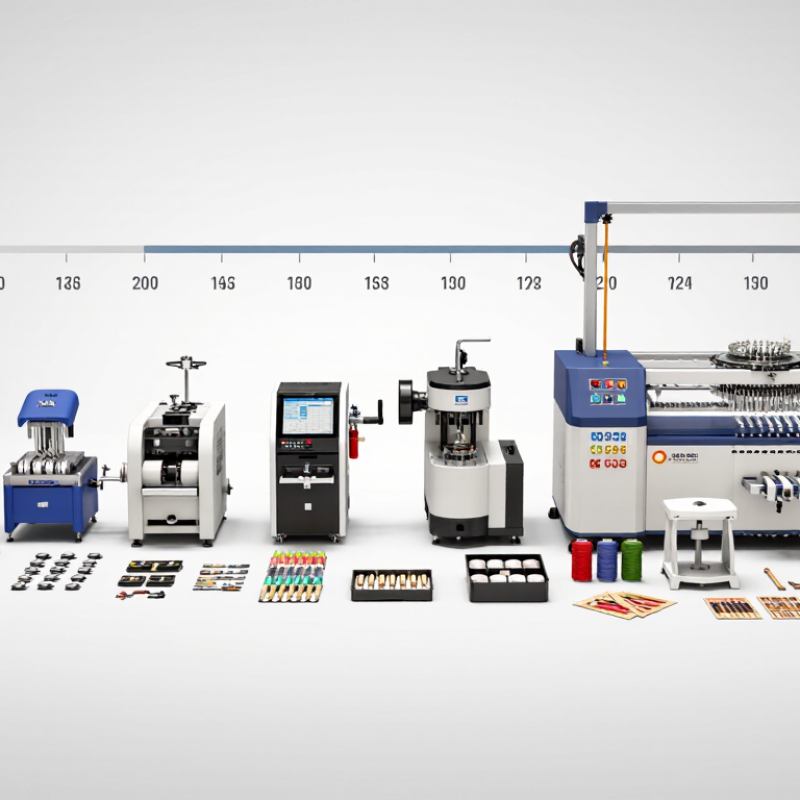
Knitting machine prices depend on bed width, gauge, automation, and production volume. Basic manual flatbed models typically cost about $100–$500, while sturdier hobby machines with patterning features often fall between $500 and $2,000. These are working price ranges, not a formal market average. A narrow home machine can handle scarves and panels; larger beds make wider garments easier, but require more space and setup.
Electronic flatbed machines commonly sit around $1,500–$8,000, depending on needle capacity and software. Small workshops may consider computerized industrial flatbeds, often priced from roughly $8,000 to $50,000 or more. Circular machines used for continuous knitted tubes can cost several thousand dollars, with production-grade systems reaching tens of thousands. ITMF’s International Textile Machinery Shipment Statistics reports shipments by machinery category, but does not publish comparable retail prices. That distinction matters: shipment data describes industry investment, not what a buyer pays for one machine.
Grand View Research estimated the global textile machinery market at about US$29.1 billion in 2023, reflecting a broad sector that includes equipment beyond knitting machines. Treat that figure as market context, not a price guide. Used machines may cost less, though worn needles, missing accessories, and outdated controls can quickly add expense. A low sticker price can be misleading. Check service history and the cost of replacement parts before comparing quotes.
Typical price categories for knitting machine types, shown in approximate U.S. dollars.
| Knitting Machine Type | Typical New Price | Typical Used Price | Common Uses and Features |
|---|---|---|---|
| Knitting Loom Set | $20–$80 | $10–$45 | Simple handheld or frame-based looms for scarves, hats, and basic projects; suitable for beginners. |
| Basic Plastic Flatbed Machine | $100–$250 | $50–$160 | Lightweight, manually operated machines for basic flat knitting and small home projects. |
| Manual Metal Single-Bed Machine | $250–$700 | $120–$450 | More durable home machines for producing flat panels, garments, and accessories by hand-cranked operation. |
| Punchcard Patterning Machine | $500–$1,500 | $250–$900 | Uses punched cards to repeat selected stitch patterns; often found in vintage and hobbyist equipment. |
| Electronic Single-Bed Machine | $900–$3,000 | $400–$1,800 | Electronic pattern selection supports more complex designs and faster changes than basic manual models. |
| Ribber or Double-Bed Attachment | $300–$1,000 | $150–$650 | An add-on bed for compatible machines, used for ribbing, cuffs, hems, and other two-sided fabric structures. |
| Complete Manual Double-Bed System | $800–$2,000 | $350–$1,200 | A paired-bed setup for ribbing and broader stitch options; price depends on accessories and condition. |
| Electronic Double-Bed System | $1,800–$5,000 | $800–$3,000 | Combines electronic pattern control with two-bed knitting for more versatile garment and fabric production. |
| Compact or Fine-Gauge Machine | $700–$2,500 | $300–$1,500 | Designed for finer yarns and lightweight fabrics; costs vary with gauge, controls, and included accessories. |
| Industrial Circular Knitting Machine | $5,000–$50,000+ | $2,000–$25,000+ | Commercial equipment for continuous tubular or patterned fabric production; specifications, diameter, and automation strongly affect price. |
Prices are indicative estimates in USD, not fixed quotations. Actual costs vary by machine condition, gauge, accessories, automation, seller, and shipping; industrial equipment may require installation and service costs.
Entry-level knitting machines usually cost between $150 and $600. Manual models sit near the lower end, while electronic models often cost more. This price range suits beginners making scarves, hats, simple sweaters, and small panels. A useful machine should offer adjustable tension, clear needle markings, and sturdy clamps. Plastic parts can reduce weight, but weak clamps may cause uneven rows. That detail is easy to miss.
A realistic budget includes more than the machine itself. Beginners may spend another $30 to $100 on compatible yarn, needles, weights, replacement hooks, and storage. Check the machine’s recommended yarn thickness before buying supplies. Very thick yarn may jam the carriage or create loose stitches. Thin yarn can also frustrate new users. Practice takes time. A beginner may need several sessions before producing even fabric. My early cost estimate would ignore this learning period, and that would be misleading.
Tips: Compare the included accessories carefully. A lower-priced machine with weights and tools may offer better value than a cheaper bare unit. Read the instruction manual before assembly, then test ten rows with inexpensive yarn. Keep notes about tension settings and yarn types. Product support, spare parts, and warranty terms also matter. A slightly higher purchase price can reduce future repairs and wasted materials.
Indicative machine-only retail prices in USD. Entry-level options generally cost less than $500; prices vary by features, condition, and seller.
Basic circular and plastic-bed machines are the most affordable choices for beginners. Electronic, computerized, and industrial machines cost more because they offer greater capacity and automation.
Mid-range knitting machines suit serious hobbyists and small workshops. New electronic flatbed models often fall around US$3,000–US$12,000, before freight, setup, or tax. At the lower end, expect basic pattern memory and manual finishing. Higher-priced models may add wider beds, more stitch options, automatic needle selection, or software links. More features mean less repetitive handwork, but they also mean more settings to learn.
Price depends heavily on gauge, bed width, and included accessories. A ribber, transfer tools, or a second needle bed can add noticeably to the final bill. Check what is actually included. Two machines with similar-looking specifications may differ in software, training, and service support. A machine that knits a tidy swatch is not automatically ready for daily production. Small detail, big cost.
Grand View Research’s knitting-machine market report estimated the global market at about US$4.37 billion in 2023 and forecast a 5.2% compound annual growth rate through 2030. That figure describes the overall market, not the price of a mid-range unit. The International Textile Machinery Shipment Statistics published by ITMF tracks industrial machinery shipments, offering useful context on investment trends, but not a simple retail price list. Treat online price ranges as starting points; installation and downtime can change the real cost. I would leave room in the budget for both.
Professional knitting machines can cost several thousand dollars, and specialized industrial systems may exceed $20,000. The price often reflects production speed, needle-bed width, patterning capability, and automation. A wider bed can handle larger panels, while electronic controls may store stitch patterns and reduce repetitive manual work. Some systems also support multiple yarn feeds for more complex fabrics. These features matter most when production is frequent. For occasional projects, they may be expensive extras.
Tips: Check the total setup cost, not just the machine’s listed price. Accessories, compatible yarn, installation, training, and maintenance can add up. Ask for a live demonstration using a fabric similar to your intended work. Listen for uneven carriage movement, and inspect sample panels for skipped stitches. A smooth demonstration is useful, but it cannot prove long-term reliability.
Before buying, compare service availability and the cost of replacement parts. Ask how quickly common components can be supplied. An advanced machine may save labor, yet it can be harder to operate and repair. I would not assume that more automation always means better results; unfamiliar software and finicky settings can slow a small workshop down. Leave room in the budget for practice.
A knitting machine’s price depends on more than its size. Machine type matters: a basic flatbed model usually costs less than an electronic machine with programmable stitch patterns. The difference shows up in practical details, such as how easily you can switch from ribbing to textured designs. More features can save time, but only if you will use them.
Capacity and construction also affect cost. A wider machine can handle larger panels, while finer gauges suit lightweight yarns and detailed fabric. Metal components and a stable frame may withstand frequent use better than lighter construction. Still, a higher price does not automatically mean better results. Check the stated gauge, usable knitting width, included accessories, and warranty terms before comparing listings.
Support and setup can change the real cost. Some machines include tools, manuals, or replacement parts; others require separate purchases. Shipping, installation, and maintenance may add up, especially for a heavy unit. Ask how spare parts are obtained and whether local service is available. A small test swatch can reveal more than a polished product description. I’ve seen buyers focus on stitch counts and overlook workspace needs; that is an easy mistake, and one worth reconsidering before purchase.
We are here to help you with all your queries and concerns, just write to us using the below form and we will get back to you as soon as we can.