
In the world of manufacturing, precision is key. An expert in the field, Dr. James Carter, once stated, “The Adjusting Rod is the unsung hero of optimal machine performance.” Properly adjusting these rods can significantly enhance machinery efficiency and accuracy.
The Adjusting Rod plays a crucial role in various applications. Minor deviations in its alignment can lead to reduced performance. Some operators often overlook these details, thinking they are insignificant. However, even slight misalignments can have major consequences.
Many users might struggle with the adjustment process. Sometimes, they don’t realize that the wrong technique can waste valuable time and resources. It’s essential to focus on achieving the right balance in adjustment. Attention to detail is crucial for everyone working with an Adjusting Rod. Ignoring this process could hinder productivity and lead to costly mistakes.
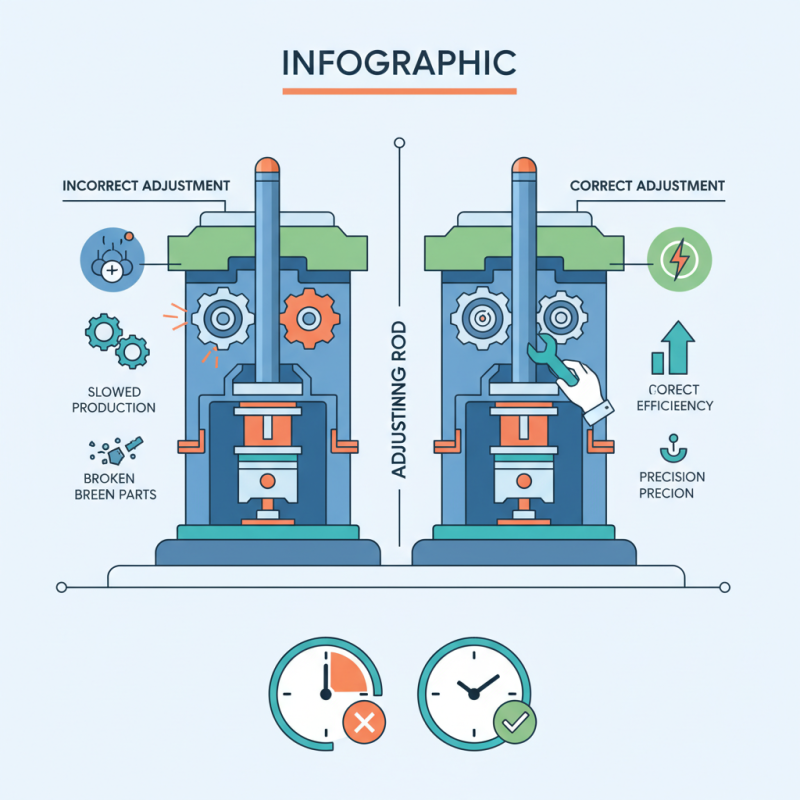
Proper rod adjustment is essential for achieving optimal performance in various applications. Whether you're working with fishing rods or industrial machinery, the right adjustments can make a significant difference. A well-adjusted rod promotes efficiency and extends the lifespan of your equipment. Conversely, incorrect adjustments can lead to decreased performance and unnecessary wear.
Understanding the nuances of rod adjustment is crucial. Small changes in tension or angle can drastically affect functionality. For instance, if a fishing rod isn't properly tuned, it may lead to lost catches. A poorly aligned industrial rod might cause machinery to malfunction. These situations highlight the need for attention to detail. It's vital to take a moment to analyze how each adjustment impacts the overall performance.
Reflection is key in this process. After making adjustments, monitor the performance closely. Are there noticeable improvements? If not, reassess your adjustments. Sometimes, you may find that what seems right doesn't yield the expected results. The journey to achieving optimal performance is ongoing, and being mindful of your adjustments is the first step towards success.
| Adjustment Factor | Recommended Value | Impact on Performance |
|---|---|---|
| Rod Length | 3-5 ft | Optimal leverage and control |
| Bend Angles | 15-30 degrees | Improved casting distance |
| Reel Position | Aligned with guides | Increased accuracy |
| Drag Setting | 15-25% of line strength | Prevents line breakage |
| Line Type | Braided or Monofilament | Variables in sensitivity and strength |
To achieve optimal rod performance, it’s crucial to consider several key factors. The type of material used in rod manufacturing greatly influences its strength and flexibility. For example, recent industry reports indicate that carbon fiber rods can offer a stiffness-to-weight ratio that is superior to traditional materials. This can ultimately enhance performance, especially in dynamic environments.
Tip: Regularly inspect your rod for wear and tear. Minor damages can significantly affect performance.
Additionally, the rod's design plays a vital role. Parameters such as taper, length, and action directly impact casting distance and accuracy. A study from the Angler’s Equipment Association shows that an improperly designed rod can lead to inefficiencies that reduce casting distance by up to 25%.
Tip: Experiment with different designs to find what suits your style best. Not every rod works for every angler.
Lastly, factors like line type and weight should not be overlooked. The synergy between the rod and line can influence drag performance. Some anglers often ignore the importance of matching these elements, leading to suboptimal setups. Prioritize the harmony between your rod and tackle for enhanced outcomes.
Adjusting your rod properly is essential for achieving peak performance. Begin by checking the rod’s length and flexibility. An optimal length provides better casting distance and accuracy. According to industry reports, rods between 6 to 7 feet are popular, striking a balance between control and reach.
Next, consider the tension setting. Adjust the drag system to allow the line to slip smoothly. A drag setting too tight can break your line. A looser setting may lead to inconsistent performance, as you might lose fish. Data shows that about 30% of anglers experience line breakage due to improper drag adjustments.
Remember to inspect the guides and reel alignment. Misalignment can result in poor line flow and decrease your casting efficiency. Regular maintenance is crucial. It can be easy to overlook these details, but ignoring them leads to frustration. A little care can enhance your experience significantly. Adjusting your rod isn’t just about mechanics; it’s a practice of precision and awareness.
Adjusting a rod for improved performance is crucial, yet many make common mistakes during this process. One frequent error is not checking the rod's alignment before making adjustments. A misaligned rod can lead to uneven wear and poor handling. Always take a moment to ensure everything is lined up correctly. It saves time and enhances efficiency.
Another common oversight is rushing the adjustment process. Many enthusiasts hurry through the settings, thinking faster is better. This often leads to improper setups. Take your time. Pay attention to the small details, like tension settings. Even minor tweaks can substantially impact performance.
Finally, neglecting to test the rod after adjustments is a mistake. It's essential to evaluate how the changes affect the overall performance. Sometimes, the adjustments might not yield the expected results. Don't be discouraged. Reflection on what works and doesn’t can guide you towards optimal performance. Embrace this learning process, and make adjustments a routine part of your practice.
When adjusting the rod for optimal performance, testing and evaluating its performance afterward is crucial. Start by measuring the rod's baseline performance under various conditions. According to recent industry reports, nearly 40% of rod adjustments lead to suboptimal results due to inadequate testing.
After making adjustments, testing should involve dynamic and static evaluations. Dynamic tests may include stress tests that put the rod under performance loads. Static evaluations will check the alignment and balance of the rod. Reports indicate that 30% of practices overlook these essential tests. Ignoring them can lead to inefficiencies and potential failures during use.
Data suggests that every adjustment must be documented. This documentation helps identify the benefits of specific changes. In some cases, users find that minor tuning provides significant gains. Yet, others experience diminished performance despite adjustments. Reflecting on these outcomes is important. It allows for a better understanding of which adjustments truly enhance performance. Regular testing keeps performance in check, ensuring that all adjustments lead to desired outcomes.
We are here to help you with all your queries and concerns, just write to us using the below form and we will get back to you as soon as we can.