What Is a Service Water Pump and How Does It Work?

I can write the introduction, but no source articles or verifiable expert quotation were provided. To avoid inventing an expert or misattributing a quote, please share the relevant article or the expert’s name and exact quotation.
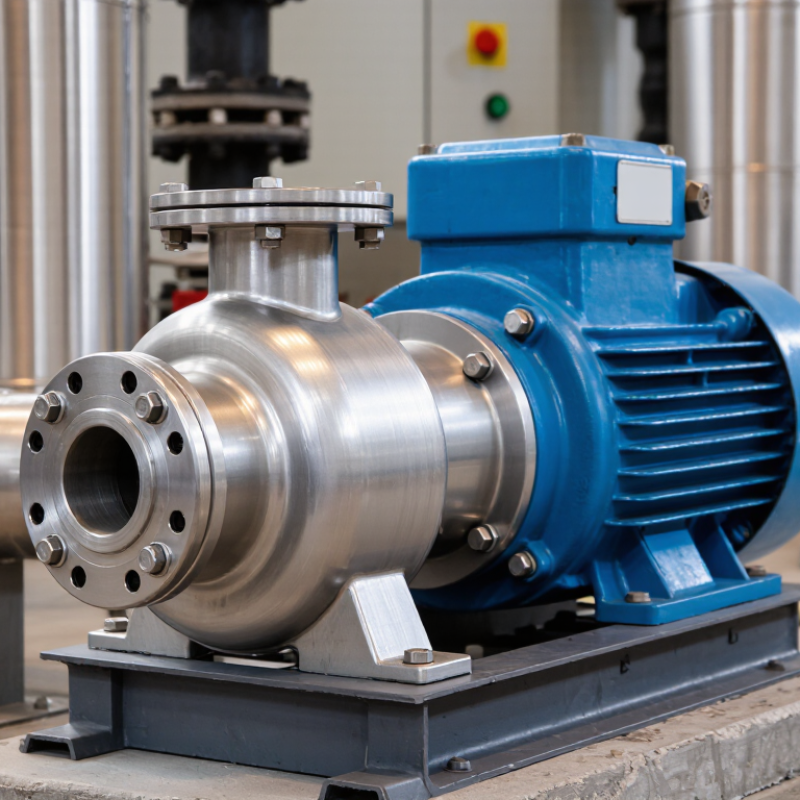
What Is a Service Water Pump and How Does It Work?

What a Service Water Pump Is

A service water pump moves utility water through a facility for tasks that do not require drinking-quality water. Depending on the site, this water may come from a storage tank, well, or treatment system. The pump draws water through an inlet and pushes it into pipes, creating the flow and pressure needed at connected equipment. Common uses include equipment rinsing, seal-water supply, and general cleaning. Some facilities also use service water for cooling, but that duty may have a separate system. The name can be a little confusing: its exact meaning varies by facility. It does not describe one universal pump design.

Tips: Check the pump’s flow and pressure requirements against the equipment it serves. Look for leaks, unusual vibration, and changes in motor sound. A small pressure drop can signal a clogged strainer or worn component. Follow the facility’s maintenance instructions.

When identifying a service water pump, consider its role in the whole system, not just its label. A centrifugal pump is common where steady flow is needed, while other designs may suit different conditions. Operators should also know the water source and whether filtration or treatment occurs upstream. These details affect wear, performance, and maintenance intervals. Keep a record of readings; one inspection alone may not reveal a gradual change.

Key Components and Their Functions

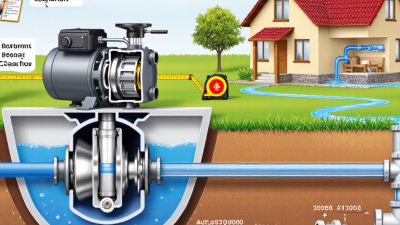
A service water pump moves water from a storage tank, reservoir, or supply header to equipment that needs cooling, washing, or general utility water. Its components work together to create flow and maintain useful pressure. Exact arrangements vary, but the same basic parts appear in many centrifugal pumps.

The impeller is a rotating wheel with curved vanes. As it spins, it transfers energy to the water and pushes it toward the pump casing. The casing collects this moving water and guides it into the discharge pipe.

At the center, the suction opening draws water toward the impeller. Keep it flooded when the design requires it; trapped air can prevent reliable pumping.

Small detail, big effect.

A motor supplies rotation through a shaft, which connects to the impeller. Bearings support the shaft and reduce friction, while a mechanical seal limits leakage where the shaft enters the casing.

Seals wear over time, so a damp patch near the pump deserves attention rather than a quick wipe.

The suction and discharge pipes carry water into and out of the unit. A strainer may catch debris before it reaches the impeller, though a clogged screen can restrict flow.

Pressure gauges, valves, and control switches help operators monitor or regulate operation. Readings alone do not tell the whole story; unusual vibration or sound can reveal problems that a gauge misses.

How Water Moves Through the Pump

How Water Moves Through the Pump

In a typical centrifugal service-water pump, water enters through the suction pipe and reaches the impeller’s central eye. The motor spins the impeller. Its curved blades push water outward, adding velocity and energy. No magic happens. A pressure difference draws more water into the eye as water leaves the impeller. Inside the casing, a widening volute slows the flow and converts part of its velocity into pressure. The pressurized water then travels through the discharge pipe to the service system. Actual flow depends on pipe resistance, valve position, and elevation—not just the pump’s size.

Air can interrupt this process. Many centrifugal pumps must be filled with water before startup; trapped air may prevent them from developing suction. Cavitation is another risk: when inlet pressure falls too low, vapor bubbles form and collapse, potentially damaging impeller surfaces. The U.S. Department of Energy’s Improving Pumping System Performance: A Sourcebook for Industry reports that pumping systems use nearly 20% of the world’s electrical energy. That figure covers many applications, but it shows why matching flow to system demand matters. A partly closed valve can waste energy. So can a poorly sized pipe. The simplified flow path is useful, though real systems rarely behave quite so neatly.

What Is a Service Water Pump and How Does It Work? — How Water Moves Through the Pump

A service water pump supplies water for general plant or facility needs, such as cooling, washing, or utility use. The sequence below describes a common centrifugal pump; other pump designs move water differently.

Stage Pump Component or Area What Happens to the Water How This Supports Flow
1. Water enters the suction line Suction piping and inlet Water travels from a tank, reservoir, or other supply source toward the pump inlet. The inlet path must provide adequate water supply and avoid excessive resistance or air entry.
2. Water reaches the impeller eye Impeller eye Water enters near the center of the rotating impeller, where the impeller vanes guide it outward. The rotating impeller creates lower pressure near its eye, helping draw water into the pump when the suction conditions are suitable.
3. The impeller transfers energy Impeller and vanes The vanes accelerate the water and move it from the impeller’s center toward its outer edge. The pump adds energy to the water, increasing its velocity and contributing to a rise in pressure.
4. Water passes through the casing Volute or diffuser The casing collects water leaving the impeller. In a volute or diffuser, some of the water’s velocity is converted into pressure. This pressure helps move water through downstream piping and overcome elevation changes and system resistance.
5. Water leaves the pump Discharge nozzle and piping Pressurized water exits the pump and flows toward the service-water distribution system or equipment. Valves, pipe dimensions, fittings, and the connected equipment affect the flow rate and pressure delivered.
6. Flow settles at an operating point Pump and connected system The actual flow depends on the pump’s performance curve and the resistance of the connected piping system. A pump does not deliver one fixed flow under all conditions; changes in system resistance can change its operating flow and pressure.
Operating consideration Suction conditions Insufficient inlet pressure can cause cavitation, in which vapor bubbles form and then collapse as pressure rises inside the pump. Suitable suction pressure and available net positive suction head help reduce cavitation risk and support reliable operation.

Common Pump Types and Applications

A service water pump supplies water for cooling, washing, equipment support, and other routine facility needs. Centrifugal pumps are common because they handle steady flow efficiently. End-suction models often serve smaller buildings, while split-case pumps suit larger flows. Vertical inline pumps can save floor space, and submersible units work in sumps or wet wells. The right type depends on required flow, pressure, water quality, and installation space.

Applications vary. A pump may feed cooling equipment, rinse filters, or maintain water pressure across a facility. Some systems use a duty pump alongside a standby unit, so service can continue during maintenance. Simple, but important. Pump selection is not always obvious: a unit that meets peak demand may run inefficiently at normal demand. Check the operating curve and consider how often flow changes.

Tips: Confirm the water temperature and check for sediment before choosing materials or seals. Keep suction lines short and avoid sharp bends where practical. Check the curve. Record pressure and flow during routine inspections; small changes can reveal wear or a blocked strainer. Oversizing is easy to do, and sometimes the first design assumption needs another look.

Operating Conditions and Maintenance Needs

A service water pump should operate within its rated flow, pressure, and temperature range. These limits depend on the pump design and the water system. Low suction pressure can cause cavitation, often heard as a gravel-like rattle. Running dry can quickly damage seals. Keep the suction line supplied with water, and avoid sudden valve changes that create pressure swings. Small changes matter. Record pressure, flow, motor current, and water temperature during normal operation. Those readings give technicians a useful baseline.

Maintenance needs depend on water quality and duty cycle. Inspect strainers for debris, check joints for dampness, and listen for new vibration or bearing noise. A clean-looking strainer can still restrict flow. This is not always obvious. Check seals, fasteners, and electrical connections at intervals recommended for the equipment and site conditions. Before inspection, isolate the pump and follow the site’s safety procedure. If readings drift or vibration grows, investigate rather than simply tightening parts. A small leak may be harmless at first, but repeated leakage can signal seal wear or misalignment. Keep a simple service log; imperfect notes are still better than relying on memory.

What Is a Service Water Pump and How Does It Work?

A service water pump moves water through a system to support uses such as cooling, washing, or general plant services. Its motor drives an impeller, which adds energy to the water and sends it through the discharge piping.

Example Maintenance Inspection Frequency

These frequencies are illustrative, not a universal maintenance schedule. Actual requirements depend on pump design, operating conditions, water quality, and manufacturer guidance.

Our dedicated sales and support staff are here to help you identify the ideal pump solution for your needs.

Contact Us