
The demand for Hydraulic And Construction Castings is steadily increasing. According to a recent market report, the global market for construction castings is projected to grow at a CAGR of 5% from 2021 to 2026. This trend highlights a significant shift in construction methodologies. Industries are seeking innovative and durable solutions for improved efficiency.
Sourcing quality Hydraulic and Construction Castings requires a deep understanding of material specifications and design requirements. The right castings can enhance the performance and longevity of machinery. However, the sourcing process is not without challenges. Quality control, supplier reliability, and compliance with industry standards can complicate the selection.
Manufacturers often report difficulties in finding suppliers who meet rigorous quality standards. Many fail to provide timely deliveries or consistent product quality. Evaluating a supplier's track record and their commitment to innovation is essential. Doing so helps ensure that businesses invest in castings that truly deliver on performance and durability.
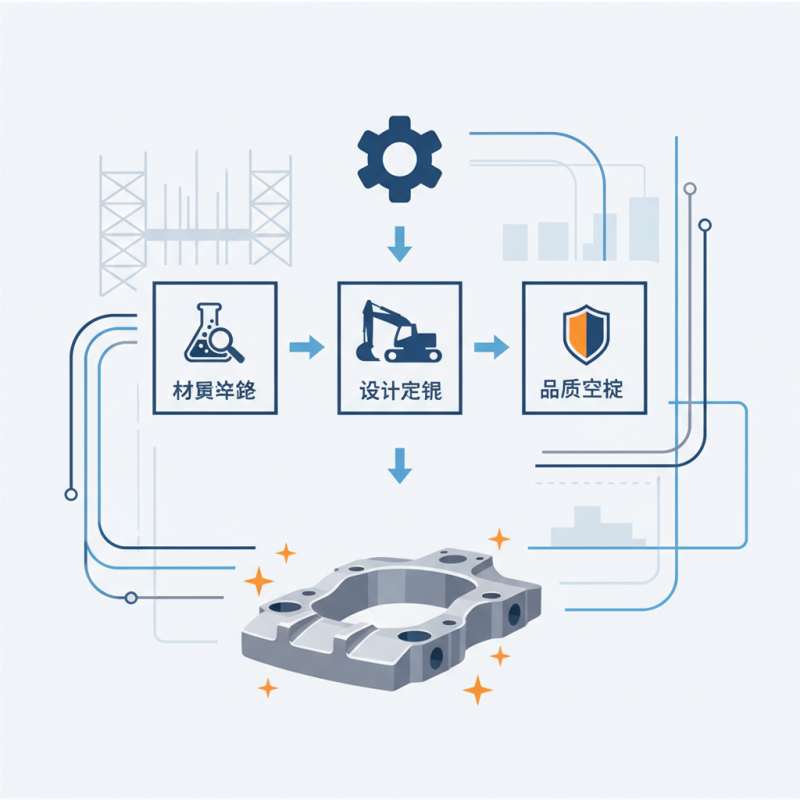
Quality in hydraulic and construction castings is essential for ensuring performance and longevity. Superior castings minimize the risk of failure during operation. This can prevent costly downtime and repairs. The right materials and precise manufacturing processes contribute to stronger, more durable products. Even minor defects can lead to significant issues.
Understanding the manufacturing process offers insight into quality assurance. Each step, from material selection to finishing, impacts the final product. Skilled engineers and technicians play a crucial role in quality control. Their expertise helps identify potential flaws early. This knowledge can guide sourcing decisions.
It's vital to establish strong relationships with suppliers. Regular inspections and audits can ensure compliance with quality standards. Obtain samples before committing to large orders. This allows for testing in real-world conditions and reflects on the reliability of the supplier. Engaging experts for evaluations can also enhance confidence. Balance caution with trust in partnerships.
When sourcing hydraulic and construction castings, understanding key specifications is crucial. Begin by assessing the material type. Common materials include cast iron, steel, and aluminum. Each material offers different strength, weight, and corrosion resistance. It's essential to select a material that meets the demands of your specific application.
Next, pay attention to dimensional accuracy. This refers to how closely the castings match specified measurements. Tolerances should be within acceptable limits to ensure proper function. Insufficient precision can lead to operational issues. Additionally, consider the casting process. Techniques like sand casting or die casting may impact the final product's quality and characteristics.
Lastly, review surface finish requirements. The finish can affect the performance and durability of the casting. A rough surface may lead to increased wear, while a smoother finish can improve hydraulic efficiency. Engaging with experienced suppliers can enhance your understanding of these factors and ensure you make informed decisions. Balancing these specifications is a real challenge. It's worth revisiting and reflecting on your choices to optimize your sourcing strategy.
Sourcing quality hydraulic and construction castings is crucial for the industry’s success. A recent industry report indicates that approximately 70% of manufacturing failures stem from poor casting quality. This emphasizes the importance of precise sourcing methods. Companies need to prioritize suppliers with robust quality assurance processes. Engaging with suppliers who offer clear certifications can mitigate risks.
Evaluating suppliers based on their production capabilities is essential. Many successful firms utilize a dual-sourcing strategy. This helps them gauge the reliability of potential suppliers. Data from the American Foundry Society shows that companies that assess potential partners through factory visits report a 30% increase in product quality. Online reviews and third-party audits can also provide valuable insights into supplier performance.
Modern sourcing methods also emphasize the significance of collaboration. Partnering with local suppliers can enhance communication and reduce lead times. However, this approach requires careful evaluation. Some firms may overlook emerging suppliers that could offer innovative solutions. The casting industry is evolving, and embracing diversity in sourcing can uncover unique advantages.
Choosing the right manufacturer for hydraulic and construction castings is crucial for project success. To evaluate suppliers effectively, start by examining their experience in the industry. Look for companies with a proven track record and positive customer testimonials. This can indicate stability and reliability.
Next, assess the quality control measures they have in place. Quality assurance processes ensure that the castings meet the required standards. Request examples of past projects to review their capabilities. Pay attention to details like material specifications and testing procedures.
Additionally, consider the supplier's communication and customer service. Open and clear communication can ease collaboration and address concerns quickly. Look for responsiveness during initial inquiries. This reflects their commitment to customer satisfaction. While no supplier is perfect, reflecting on past experiences can help in making informed decisions.
When sourcing quality hydraulic and construction castings, conducting effective quality control is essential. A report from the Global Institute of Casting indicates that 30% of castings fail quality control tests due to manufacturing defects. This statistic underlines the importance of a diligent quality assurance process in sourcing operations.
One critical tip is to establish a clear set of quality standards early on. Define specifications that meet industry norms. This step helps mitigate risks associated with unexpected defects. Engage with suppliers who can provide detailed documentation on quality assurance practices. This documentation often includes performance metrics from previous projects.
Additionally, implement regular on-site inspections during the production phase. Conducting random sampling of castings before shipment can identify issues in real-time. A comprehensive evaluation of the manufacturing process can uncover inconsistencies. Many companies overlook this step, leading to costly errors.
Building relationships with suppliers who prioritize quality can also enhance sourcing efforts. Strong partnerships foster open communication about quality concerns. Therefore, invest time in assessing supplier capabilities. A commitment to quality control pays off significantly in the long run.
We are here to help you with all your queries and concerns, just write to us using the below form and we will get back to you as soon as we can.