
In the pharmaceutical industry, the importance of stability chambers cannot be overstated. These chambers are essential for testing the stability of pharmaceutical products under controlled conditions. A recent report from the International Society for Pharmaceutical Engineering highlighted that temperature and humidity variations can significantly impact drug stability.
Dr. Emily Chang, an expert in pharmaceutical quality assurance, stated, “Reliable data from stability chambers is crucial for ensuring patient safety.” Her emphasis on data reliability underlines the significance of Stability Chambers In Pharmaceutical research and development. These chambers enable manufacturers to simulate real-life conditions, providing critical information for product shelf life predictions.
Despite advancements in technology, some industries still struggle with maintaining optimal conditions in stability chambers. Issues with calibration and environmental control can lead to unreliable results. Attention to these details is necessary to enhance the effectiveness of stability chambers in pharmaceutical applications. Ensuring proper maintenance and understanding the limitations of current technologies remain pivotal for industry professionals. Overall, stability chambers in pharmaceutical settings play a vital role in safeguarding product integrity.
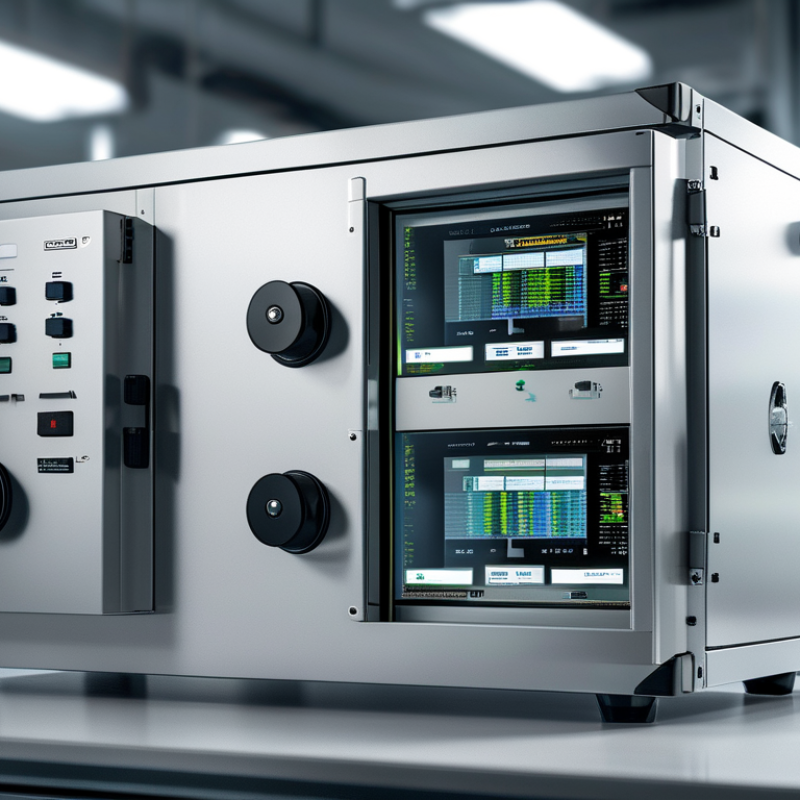
In the pharmaceutical industry, stability chambers play a crucial role in ensuring product integrity. These chambers maintain controlled environments crucial for long-term drug storage. Key features to consider include precise temperature and humidity control. For instance, according to the International Society for Pharmaceutical Engineering, deviations of just a few degrees can compromise drug safety.
The ideal stability chamber should have a compact design. Many experts recommend models with adjustable shelving and easy access. This allows for optimal use of space while facilitating routine checks. Furthermore, chambers with advanced monitoring systems ensure real-time data collection. These systems enable quicker responses to fluctuations. Recent reports indicate that improper storage conditions can lead to a 30% increase in product recalls.
In addition to environmental control, robust construction is essential. Stability chambers must withstand frequent use while maintaining their efficiency. Despite advancements, some manufacturers still struggle with calibration issues. A report by the FDA highlights that 25% of stability tests fail due to equipment errors. This underlines the need for rigorous quality standards when selecting a chamber. The implementation of best practices in maintenance is vital for reliability and credibility in pharmaceutical processes.
Stability chambers play a vital role in the pharmaceutical industry. They ensure that various products maintain their efficacy under controlled conditions. There are different types of stability chambers designed to meet specific testing requirements. Some common categories include temperature-humidity chambers, photostability chambers, and walk-in stability rooms.
Temperature-humidity chambers are specifically made to test how products react to varying temperature and humidity levels. According to the International Council for Harmonisation, 50% of drug failures occur due to stability issues. These chambers often exhibit precise control systems for monitoring, ensuring experiments yield reliable data.
Photostability chambers simulate light exposure, crucial for products sensitive to UV light.
Walk-in stability rooms can accommodate bulk storage and allow for long-term testing. However, not all facilities have access to these specialized options. Insufficient maintenance or calibration can lead to inaccurate results, compromising the integrity of pharmaceutical products.
It's essential for companies to reflect on their current setups and consider potential upgrades to enhance reliability and compliance.
Temperature and humidity control are critical in the pharmaceutical industry. Stability testing requires precise conditions to ensure product integrity. Extreme temperatures can alter the chemical properties of drugs. High humidity can lead to degradation. Therefore, tightly controlling these variables is essential.
In stability chambers, maintaining the right environment is not just a guideline; it is a necessity. The FDA defines specific conditions for different products. Manufacturers must rigorously monitor these parameters. Even slight deviations can compromise results. This attention to detail reflects the commitment to safety. However, it's not always straightforward. Many chambers have calibration issues. Regular maintenance is necessary but can be overlooked.
Moreover, human error can affect readings. Technicians must be trained thoroughly. Often, years of experience are required to manage these systems effectively. Continuous validation is crucial to ensure accuracy. Mistakes in monitoring can have significant consequences. These factors highlight the importance of robust systems in the pharmaceutical industry.
| Model | Temperature Range (°C) | Humidity Range (%) | Capacity (Liters) | Key Features |
|---|---|---|---|---|
| Model A | -20 to 60 | 10 to 90 | 300 | Advanced digital controls, data logging |
| Model B | 0 to 50 | 20 to 80 | 600 | Dual compressor system, external monitoring |
| Model C | -10 to 40 | 15 to 75 | 250 | Compact design, energy efficient |
| Model D | -30 to 70 | 5 to 95 | 1000 | User-friendly touchscreen, high precision |
The pharmaceutical industry relies heavily on stability chambers to ensure product integrity. Regulatory standards dictate the design, performance, and validation of these chambers. According to the ICH Q1A guidelines, stability testing is crucial for determining shelf life and storage conditions. Compliance with these standards is non-negotiable and shapes the industry's approach to product stability.
Stability chambers must meet stringent environmental conditions. Temperature and humidity levels need precise monitoring. Deviations can result in costly product failures or safety issues. A study published in the Journal of Pharmaceutical Sciences highlighted that 30% of stability failures result from improper storage conditions. This statistic emphasizes the importance of compliance with regulatory standards.
Regular validation of stability chambers is essential, yet challenging. Many facilities struggle with maintaining compliant environments over time. Data from AAPS suggests that nearly 20% of pharmaceutical companies face issues with stability data management. This discrepancy raises concerns about the effectiveness of current practices and the need for improvements in monitoring protocols. Continuous evaluation of stability testing methods will enhance compliance and product reliability.
In the pharmaceutical industry, proper maintenance and calibration of stability chambers are critical. Stability chambers ensure that temperature and humidity conditions remain consistent during drug development. According to a 2021 report by the International Society for Pharmaceutical Engineering, improper calibration can lead to product failure or regulatory non-compliance.
Regular maintenance is essential. Chambers require frequent checks, including daily temperature and humidity monitoring. A clinical study showed that 30% of stability testing failures stemmed from inadequate chamber maintenance. Calibrating instruments every six months helps ensure accurate data collection. This frequency meets standards set by regulatory bodies, yet many companies neglect it.
Training staff on these protocols is vital. Understanding the importance of proper calibration can significantly reduce risks. However, a survey indicated that 25% of personnel were unaware of calibration schedules. Encouraging ongoing education can bridge this knowledge gap. Emphasizing the potential costly consequences of neglect can motivate compliance. By focusing on these practices, the pharmaceutical industry can enhance product reliability and maintain regulatory compliance.
We are here to help you with all your queries and concerns, just write to us using the below form and we will get back to you as soon as we can.