
The concept of a Steel Warehouse has gained momentum in the construction industry. As demand for efficient storage solutions rises, many businesses recognize its value. According to a report by the Steel Storage Solutions Institute, the market for steel warehousing has grown by 15% over the last five years. This growth is largely attributed to the durability and flexibility that steel structures provide.
Industry expert Dr. William T. Bennett emphasizes the advantages of a Steel Warehouse, stating, "Investing in a steel structure not only enhances storage capacity but also minimizes operational costs." Steel Warehouses are designed to withstand harsh environments while offering a cost-effective solution for businesses looking to optimize space. However, some may overlook the initial investment and maintenance needs.
It’s crucial to weigh these factors carefully. The right choice of a Steel Warehouse can result in long-term benefits, yet it must align with a business's strategic goals. Choosing wisely can lead to increased efficiency and productivity, but hasty decisions may lead to regret. Understanding these nuances can guide businesses toward a more informed choice.
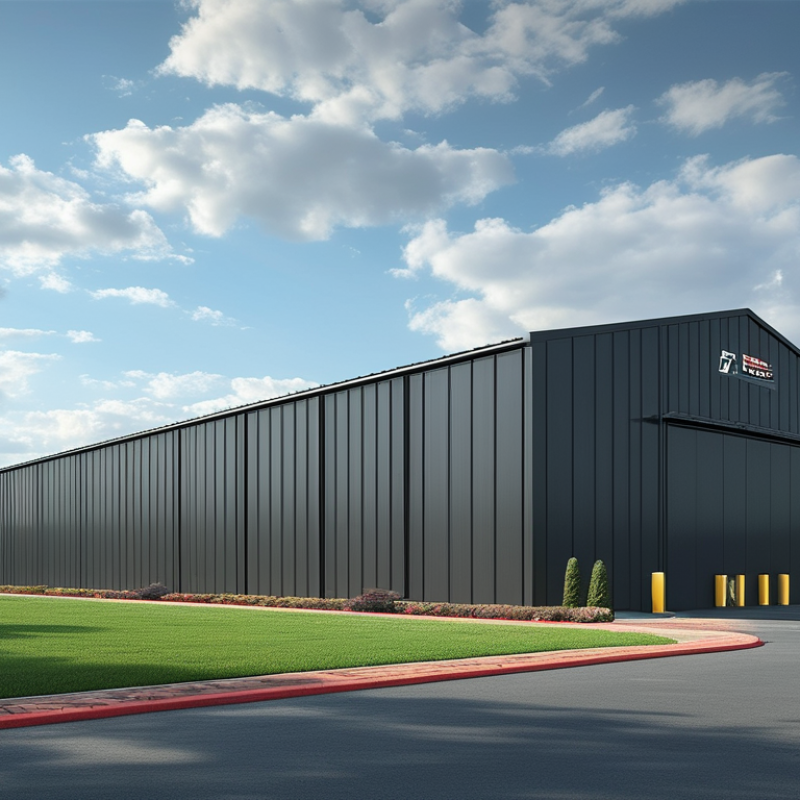
A steel warehouse is a specialized structure made primarily from steel. Its design emphasizes durability and efficiency. These warehouses serve various purposes, including storage and industrial manufacturing. The strength of steel allows for large open spaces without excessive columns. This feature is vital for businesses needing room to maneuver equipment and inventory.
When considering a steel warehouse, you should account for local climate and soil conditions. Different environments can affect the longevity of your structure. Maintenance is essential to preserve its integrity. Regular inspections can identify potential issues early, preventing costly repairs.
Tips: Ensure proper insulation to regulate temperature inside the warehouse. This helps in protecting items that are sensitive to heat or cold. Evaluate lighting options as well; natural light can reduce electricity costs. Finally, consider the layout; an organized space improves workflow efficiency. A well-planned warehouse can significantly enhance your operations and productivity.
Steel warehouses are becoming increasingly popular due to their many advantages. One key feature is their durability. Steel structures can withstand harsh weather conditions, making them ideal for various environments. This durability reduces maintenance costs over time. Additionally, these warehouses can be constructed faster than traditional buildings, which minimizes downtime and accelerates business operations.
Another important aspect is the versatility of steel warehouses. They can be easily modified to accommodate different storage needs. Whether you need high racks or open spaces, a steel warehouse can adapt accordingly. This flexibility supports businesses as they grow and change. It's essential to consider future requirements when designing these structures.
When planning your steel warehouse, remember to assess your location. The site’s condition can affect construction and long-term usability. Also, think about energy efficiency. Insulation can reduce energy costs and improve comfort inside the warehouse. Regular evaluations of the structure's performance can help maintain its integrity and functionality over time.
| Feature | Description | Benefit |
|---|---|---|
| Durability | Steel warehouses are resistant to weather, pests, and fire. | Reduced maintenance costs and longer lifespan. |
| Customization | Flexible design options for different needs. | Tailored storage solutions. |
| Cost-Efficiency | Lower construction and operational costs. | Increased profit margins. |
| Versatility | Can be used for various applications, such as storage, manufacturing, or distribution. | A single structure can meet multiple business needs. |
| Speed of Construction | Quick assembly compared to traditional buildings. | Faster operational start-up. |
| Energy Efficiency | Options for insulation and energy-saving designs. | Lower energy bills and reduced environmental impact. |
Steel warehouses offer numerous advantages for businesses seeking durable and efficient storage solutions. One major benefit is their strength and resilience. Steel structures can withstand harsh weather conditions, ensuring that your products remain safe. This durability translates into lower maintenance costs over time.
Another significant advantage is the customizable nature of steel warehouses. They can be designed to fit specific needs, from size to layout. Businesses can optimize space effectively, accommodating various inventory requirements. This flexibility can enhance operational efficiency.
Tips: Consider the local climate when planning your warehouse structure. Choosing the right insulation can minimize heating and cooling costs. Additionally, invest in quality doors and windows to further enhance energy efficiency.
Steel warehouses also provide a quick construction timeline. Unlike traditional buildings, steel can be erected faster, reducing downtime. This speedy setup allows businesses to start operations sooner. However, careful planning is essential to ensure everything fits as intended.
Tips: Engage with experienced architects or engineers who specialize in steel structures. Their expertise can help identify potential design flaws before construction begins. Regular reviews during construction can help catch issues early, saving time and resources.
Steel warehouses are versatile structures used across various industries. Their strength and durability make them ideal for storing goods. In manufacturing, these warehouses provide a secure environment for raw materials and finished products. They can be easily modified to accommodate different sizes of equipment and inventory. Many companies find that streamlined storage helps improve efficiency.
In the agriculture sector, steel warehouses serve as excellent storage for machinery and chemicals. Their resistance to weather and pests protects valuable equipment. They can be designed with proper ventilation, ensuring that stored items remain in good condition. However, some farms still hesitate to invest in steel structures due to initial costs.
Another application is in the logistics industry. Steel warehouses facilitate rapid distribution and shipping. Their large, open spaces allow for easy movement of large items. Some warehouses may struggle with temperature control, leading to inventory loss. Keeping these factors in mind helps optimize operations. Steel warehouses offer numerous benefits. Balancing initial investments with potential long-term savings is crucial.
When selecting a steel warehouse, several factors should be evaluated. First, consider the location. A strategically placed warehouse can reduce transportation costs. Proximity to suppliers and customers enhances operational efficiency. Evaluate local infrastructure, like roads and utilities, as this can impact logistics.
Space is another critical aspect. How much room do you need? Think about current inventory and future growth. A flexible design allows you to adapt to changing demands. You might prefer a layout that facilitates easy access to high-turnover items. This can save time and enhance productivity in daily operations.
Building quality matters too. A well-constructed steel warehouse lasts longer and requires less maintenance over time. Look for quality architectural design and reliable materials. Ask about insulation and weather resistance; these keep goods protected and reduce energy costs. Reflect on the initial investment versus long-term benefits. While upfront costs may be high, the longevity and lower upkeep can yield significant savings.
We are here to help you with all your queries and concerns, just write to us using the below form and we will get back to you as soon as we can.