
In the world of electrical engineering, a "Switch Panel" plays a crucial role in controlling and managing power systems. Renowned expert Dr. Emily Carter, an authority in electrical systems automation, stated, "The efficiency of a Switch Panel can significantly impact overall system performance." This highlights the importance of understanding how these panels function.
A Switch Panel serves as a centralized point for controlling electrical devices. It is designed to distribute power while ensuring safety. These panels contain switches, indicators, and circuit breakers for seamless operation. Without proper knowledge of a Switch Panel's components and mechanisms, users may encounter challenges in both installation and maintenance.
Many professionals overlook the intricacies involved in harnessing Switch Panels effectively. This oversight can lead to inefficiencies and unexpected maintenance issues. By exploring the inner workings of Switch Panels, enhance your ability to maximize their benefits. Understanding these systems deeply can transform how you manage electrical resources.
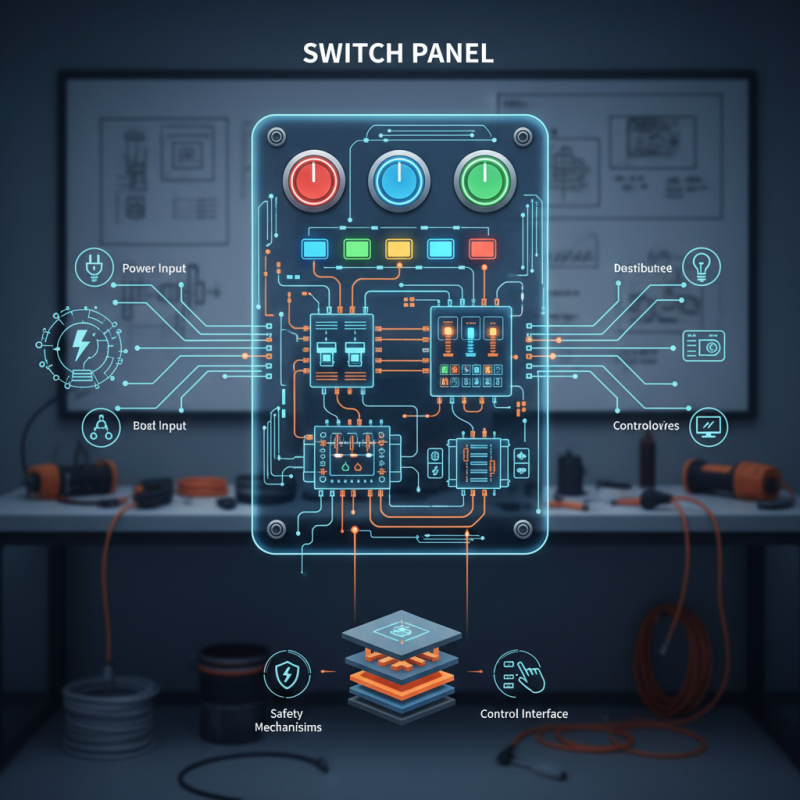
A switch panel is a crucial component in electrical systems. It serves as the central hub for managing multiple circuits. You can find it in homes, vehicles, and industrial facilities. The primary purpose is to control power distribution. Users can turn devices on or off through the panel.
Inside a switch panel, various switches are arranged systematically. Each switch corresponds to a different circuit, making it easier to manage electrical loads. This configuration allows for efficient troubleshooting. Users can quickly identify which circuit needs attention. However, this organization can also be overwhelming for beginners.
Switch panels come with their own challenges. Not every panel is intuitive. Some require a degree of technical knowledge. Misinterpreting a switch’s function can lead to unnecessary power outages. Ensuring proper labeling and familiarization is essential. Regular maintenance is also important to avoid hazardous situations.
This chart illustrates the primary functionalities of switch panels and their usage frequency across different applications. It highlights that the on/off control function is the most commonly used feature, followed by lighting control and fan control, indicating the prevalent roles of switch panels in various settings.
A switch panel is a fundamental component in electrical systems, allowing users to control various devices. Understanding its components is essential for effective use. A typical switch panel includes switches, indicators, and circuit breakers. Each part plays a vital role in ensuring safety and functionality.
Switches control the flow of electricity. They come in various forms, such as toggle, rocker, and push-button types. Statistics show that about 70% of electrical failures are due to switch malfunctions. This emphasizes the importance of quality in switch selection. Indicators provide visual feedback. They help users identify the operational status of devices connected to the panel. Without these, users might overlook crucial information, leading to potential hazards.
Circuit breakers protect systems from overloads. They automatically cut off power when a fault occurs. Research indicates that proper circuit breaker installation can reduce electrical fire risks by over 50%. However, many panels lack adequate breaker protection. This gap can result in significant safety issues. Thus, assessing the components and their reliability is crucial for effective switch panel operation.
| Component | Function | Common Features |
|---|---|---|
| Toggle Switch | Controls power to a device | On/Off positions |
| Push Button | Momentarily completes a circuit | Momentary action |
| Indicator Light | Shows device status (On/Off) | LED, color-coded |
| Fuse | Protects circuit from overload | Rated for specific current |
| Relay | Controls larger loads with a smaller switch | Electromagnetic or solid state |
| Wiring Harness | Connects the switch panel to devices | Pre-assembled, color-coded |
Switch panels are essential in managing electrical systems. Various types of switch panels cater to different needs. Understanding their applications can guide you in choosing the right one.
One common type is the lighting switch panel. These panels control lights in residential and commercial spaces. They typically feature multiple switches for different lighting zones. Electricians often prefer this style for its ease of installation and maintenance. Another notable type is the power distribution panel. This type manages the electrical supply to different circuits. It often includes breakers and fuses to prevent overloads. It's crucial in both industrial and home settings for safety and efficiency.
However, not all switch panels fit every scenario. Sometimes, a single switch for multiple lights may seem easier but can lead to confusion. Users may accidentally turn off essential lights. Therefore, assessing the specific requirements before installation is vital to prevent such pitfalls. Balancing functionality with design is key in selecting the right panel for your needs.
Switch panels are critical components in electrical systems, acting as the command center for electricity distribution. They house various switches that control circuits, ensuring safety and functionality. A well-designed switch panel can streamline operations, whether in commercial buildings or residential homes. According to a report by the International Electrotechnical Commission, proper switch panel installation can reduce electrical failures by up to 30%.
Understanding how switch panels function is essential for anyone working with electrical systems. They typically include a series of circuit breakers or fuses that protect wiring and appliances from overload. When a fault occurs, the switch panel quickly interrupts the electrical flow, preventing potential hazards. Regular inspections can enhance reliability. Experts often recommend a routine evaluation every three to five years.
Tip: Keep a close eye on your switch panel's indicators. If any lights flicker or switches trip frequently, it might indicate underlying issues that need attention.
Learning to recognize these warning signs can prevent significant damage. Sometimes, switched circuits can become overloaded without obvious symptoms. Ensure that each switch is appropriately rated for the load it controls. Consulting with a professional electrician can provide insights into effective load management strategies.
Switch panels are critical components in various electrical systems, managing the flow of electricity and ensuring safe operations. Regular maintenance is crucial for their effective performance. According to industry reports, approximately 30% of electrical failures result from neglected switch panel upkeep. This statistic highlights the importance of proactive maintenance practices.
Routine inspections should be scheduled at least once a year. Check for loose connections, corrosion, or signs of wear. Monitoring the temperature of switch panels can prevent overheating issues. This is particularly vital in high-load environments, where electrical components bear additional stress. Pay attention to unusual noises or odors, as they can indicate underlying problems that need immediate addressing.
**Tips:** Keep a log of inspection dates and findings. This can help track performance trends over time. Invest in quality insulation materials; they can reduce the likelihood of electrical faults. Regular training for staff on recognizing potential issues can significantly enhance safety and efficiency. Taking these actions can ensure switch panels operate optimally.
We are here to help you with all your queries and concerns, just write to us using the below form and we will get back to you as soon as we can.