Why Choose Tension Load Cells at the 2026 Canton Fair?
As the 2026 Canton Fair approaches, the spotlight will shine on innovative technologies and advanced manufacturing. Tension Load Cells are expected to play a significant role in this context. Dr. Emily Zhang, a renowned expert in load measurement technology, emphasizes, "Tension Load Cells will redefine accuracy in various industries."
The integration of smart solutions, such as AI-powered search and navigation, enhances the experience for buyers. With the fair covering 1.55 million square meters, efficient movement is crucial. Tension Load Cells stand out due to their reliability and precision. It is essential for businesses to understand how these devices can improve their operational efficiency.
Attendees should consider the broader implications of selecting Tension Load Cells. They are not just products; they represent a commitment to quality and performance. However, the market is crowded, and finding the right supplier can be challenging. Reflections on supplier qualifications like ISO or CE certification are vital for making informed decisions at this year's fair.
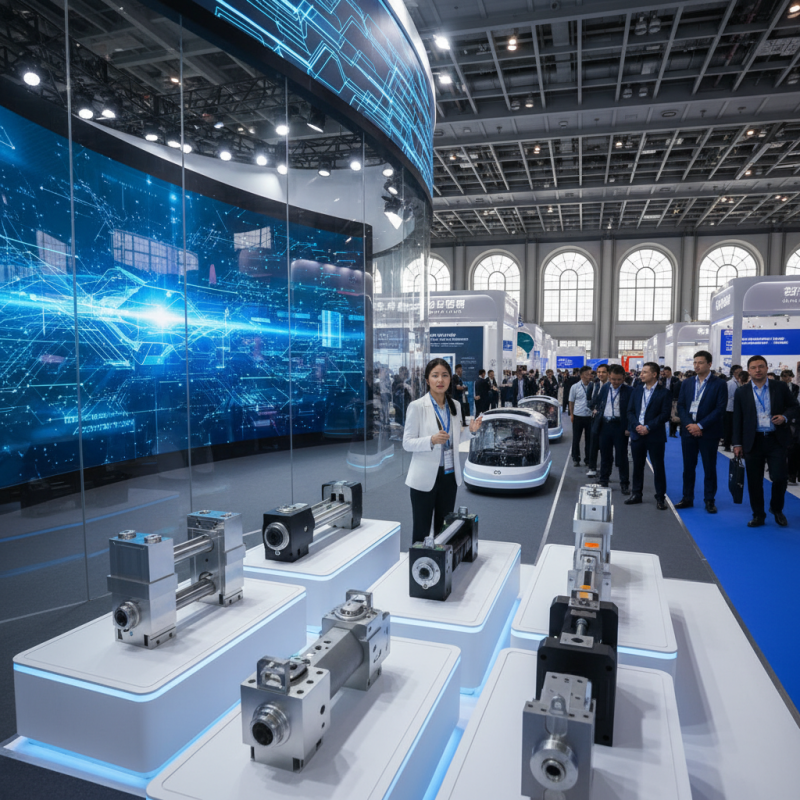
Benefits of Using Tension Load Cells for Accurate Measurements
Tension load cells are essential for precise measurements in various industries. Their accuracy can significantly improve operational efficiency. In a recent report by the International Society of Automation, it was noted that accurate measurement tools can enhance productivity by over 20%. This statistic highlights the importance of selecting the right technology, especially at events like the 2026 Canton Fair.
These load cells offer several benefits. They provide real-time data, ensuring that operators can make informed decisions quickly. This is crucial in manufacturing and construction, where delays can be costly. According to a calibration study by Measurement Science and Technology, inaccuracies in weight measurement can lead to losses of up to 5% in material costs. As companies aim for tighter margins, using tension load cells becomes a practical choice.
However, it's important to recognize potential challenges. Not every installation goes smoothly. Factors like environmental conditions and calibration can affect accuracy. Users must remain vigilant and continuously evaluate performance to avoid pitfalls. Investing in proper training and maintenance is vital to fully leverage the advantages of tension load cells.
Applications of Tension Load Cells in Various Industries
Tension load cells play a crucial role in various industries, providing accurate measurements for a wide array of applications. Their primary function is to measure the force exerted on an object, which is vital in sectors like construction and manufacturing. In construction, these cells ensure that structures meet safety standards by constantly monitoring load conditions. For example, they help assess the tension in cables used in bridges or cranes.
In manufacturing, tension load cells are essential for quality control. They enable precise monitoring of material stress during production processes. Incorrect readings can lead to defects or failures, emphasizing the need for reliable instruments. Industries such as textile, automotive, and aerospace heavily rely on these devices. Each sector requires tailored solutions, demonstrating the adaptability of tension load cells but also highlighting potential gaps.
Despite their effectiveness, there are limitations. Calibration must be done regularly to maintain accuracy. Unexpected environmental factors can also affect readings. Users might need additional training to understand the nuances of reading data correctly. A lack of awareness about these factors could lead to mistakes, showing that tension load cells, while highly useful, require careful attention and continuous learning.
Key Features of Tension Load Cells on Display at the Canton Fair
At the 2026 Canton Fair, tension load cells will capture significant attention. These devices are critical for applications in various industries, including manufacturing and logistics. Their capacity to measure tension accurately enhances operational efficiency. According to a recent industry report, the global market for load cells is projected to grow by 5.8% annually through 2027, highlighting the rising importance of this technology.
One key feature of tension load cells is their robust design. They can withstand harsh environments, making them suitable for outdoor use. Data from various suppliers show these load cells can measure loads accurately up to 300 tons. The high precision ensures reliability in weight measurement, which directly impacts production quality. However, achieving consistent accuracy remains a challenge for some manufacturers, as sensor drift can occur.
Another notable aspect is their versatility. Tension load cells can be integrated into various systems, from cranes to industrial automation solutions. A study on automation trends indicated that 70% of companies are adopting advanced weighing technologies for better data analytics. Yet, some buyers note difficulties in selecting the right models due to the wide range of options available. Balancing cost and performance is essential but can be confusing for newcomers.
Why Choose Tension Load Cells at the 2026 Canton Fair? - Key Features of Tension Load Cells on Display at the Canton Fair
| Feature | Description | Advantages | Applications |
| High Accuracy | Provides precise measurements with minimal error. | Ensures reliability in critical applications. | Manufacturing, Quality Control |
| Robust Design | Durable construction to withstand harsh environments. | Reduces maintenance costs and downtime. | Heavy Industry, Construction |
| Wide Measurement Range | Capable of measuring various loads. | Versatility for different types of applications. | Logistics, Aerospace |
| Easy Integration | Compatible with most data acquisition systems. | Simplifies installation and use. | Research, Development |
| Temperature Compensation | Maintains accuracy across temperature variations. | Ensures consistent performance in changing environments. | Food Processing, Pharmaceuticals |
Advantages of Choosing Tension Load Cells Over Other Load Cell Types
Tension load cells are gaining traction, especially at the 2026 Canton Fair. They provide unique benefits compared to traditional load cell types. Their ability to measure tensile force makes them essential in various industries like construction and manufacturing.
According to a recent industry report, tension load cells offer accuracy rates exceeding 0.5%. This precision is crucial for applications where safety matters. Their durable construction also ensures a long lifespan under extreme conditions. These cells can effectively handle overload situations better than compression load cells, enhancing reliability in critical operations.
Tips: When selecting a load cell, consider your specific application needs. Think about environmental factors like temperature and humidity. Also, don't ignore calibration processes. Proper calibration helps maintain accuracy over time, but remember it can be overlooked in busy operations.
Another aspect to ponder is cost. While tension load cells may have a higher initial cost, their longevity can lead to savings in the long term. Analyzing total cost of ownership is important. Durability often outweighs the initial investment concerns. Emphasizing accurate measurements now can prevent larger issues down the line.
How Tension Load Cells Enhance Efficiency and Safety in Operations
Tension load cells play a crucial role in enhancing operational efficiency and safety. These devices measure the tension force in a range of applications, from construction to manufacturing. According to a report by Allied Market Research, the global load cell market is expected to reach USD 4.1 billion by 2027, with a significant focus on tension load cells. This trend highlights their growing importance in modern industries.
Using tension load cells can drastically reduce the risk of accidents. They provide real-time data, enabling operators to make informed decisions. This immediate feedback can prevent overloading and equipment failure. In fact, a study by the Occupational Safety and Health Administration (OSHA) found that 30% of workplace injuries are due to equipment neglect. Integrating these sensors can significantly lower that statistic.
When evaluating options, it’s essential to consider installation processes. Improper setup can lead to inaccurate measurements. Regular maintenance is necessary to ensure reliability. Not all tension load cells are created equal. Each application may require different specifications, which can complicate choices. Adapting to unique operational needs is vital for maximizing effectiveness and safety.