
Top 10 Best Photochromic Lenses Suppliers Worldwide

Choosing the right photochromic lens partner affects visual comfort, production consistency, and customer trust. This guide examines the Top 10 Best Photochromic Lenses Suppliers Worldwide through practical, measurable criteria. We consider optical performance, transition speed, UV protection, coating durability, customization, certifications, and technical support. These factors matter when lenses move from a supplier’s laboratory to a busy optical store.

A reliable Best Photochromic Lenses Supplier should provide clear test data, stable production capacity, and transparent communication. Sample lenses should darken evenly under sunlight and return smoothly indoors. Coatings should resist everyday scratches, fingerprints, and repeated cleaning. Manufacturing experience also matters. A supplier serving prescription laboratories may understand fitting tolerances better than a company focused only on large-volume orders.

Details reveal quality.

This comparison also considers delivery reliability, minimum order quantities, warranty policies, and after-sales service. A supplier may offer excellent materials but struggle with urgent replacement orders. Another may provide competitive pricing while limiting color or index options. These weaknesses deserve attention. Rankings can never replace physical testing, because climate, frame design, and customer expectations differ across markets. We have therefore included practical observations alongside product claims and public information. Readers should request current certificates, sample batches, and performance reports before making a final decision. The strongest suppliers are not always the cheapest. They are the partners that combine dependable lenses, responsive expertise, and evidence-based quality control. Our list aims to make that evaluation clearer, while acknowledging that no supplier performs perfectly in every application.
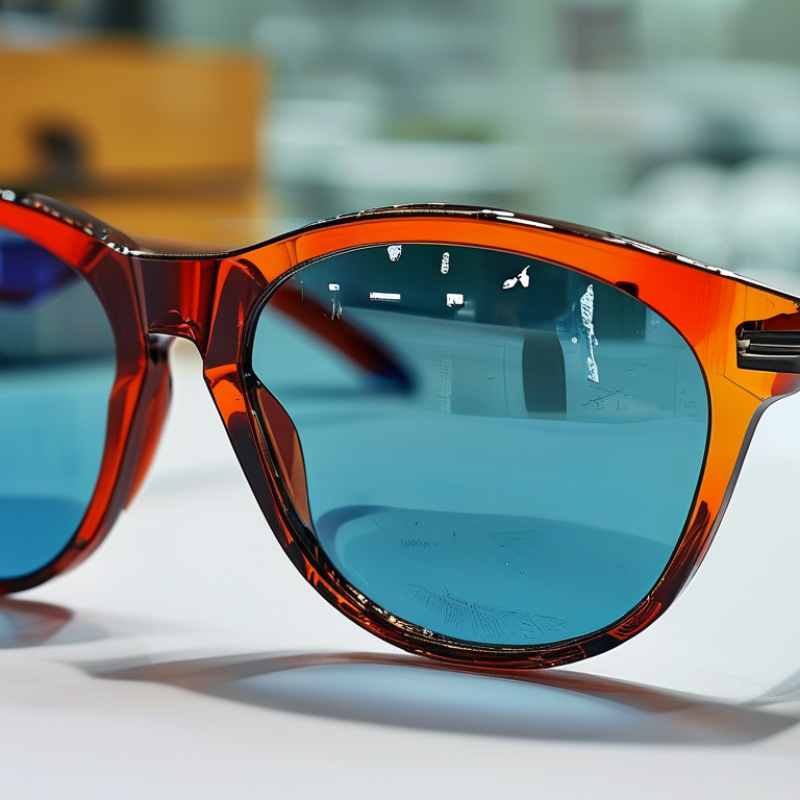
Top 10 Best Photochromic Lenses Suppliers Worldwide

Photochromic Lenses: Definition, Features, and Applications

Photochromic lenses are optical lenses that change tint when exposed to ultraviolet radiation. Indoors, they usually appear nearly clear; outdoors, they darken gradually. This response comes from light-sensitive molecules embedded in the lens material, not from a removable coating. In practical use, transition speed depends on temperature, UV intensity, lens design, and vehicle glazing. Cold weather can make lenses darker and slower to return clear. That detail is easy to miss.

Their main features include glare reduction, UV protection, and convenient vision correction in changing light. They can reduce squinting during a midday walk or a commute beside reflective glass. However, they are not identical to sunglasses. Many car windshields filter ultraviolet light, so the lenses may remain lighter inside a vehicle. They also need time to fade after entering a building. Users with strong light sensitivity may still need dedicated sunwear.

Applications range from everyday prescription eyewear to outdoor work, cycling, hiking, and light-management needs. Selection should consider prescription power, lens material, tint preference, and expected exposure. A qualified optical professional should verify fitting, pupillary distance, and coating compatibility. Supplier evaluation also matters: request test data for UV response, abrasion resistance, color consistency, and cycle durability. Marketing claims can sound precise. Independent testing is better. Photochromic performance is convenient, but never perfectly uniform across every climate, activity, or wearer.

Photochromic Lenses: Typical Optical Performance Ranges

Photochromic lenses adjust their light transmission in response to ultraviolet exposure. The chart shows commonly specified performance ranges for clear-state visible light transmission, dark-state visible light transmission, and ultraviolet transmission. Exact values vary by lens material, design, temperature, and activation conditions.

Values are representative technical ranges used in photochromic lens specifications. Lower ultraviolet transmission indicates stronger UV filtering.

Criteria for Selecting the Best Global Lens Suppliers

Selecting the best global photochromic lens supplier requires more than comparing catalog prices. Optical consistency should come first. The World Health Organization reports that at least 2.2 billion people have near or distance vision impairment. This highlights the need for accurate prescriptions and dependable manufacturing.

Ask suppliers for independent test results covering UV protection, activation speed, fade-back time, tint uniformity, and impact resistance. The International Organization for Standardization provides testing frameworks for spectacle lenses, including optical and mechanical performance. A reliable supplier should share current certificates, batch records, and laboratory methods without hesitation. Transparency matters.

Production capacity also deserves close inspection. Review lead times, minimum order quantities, coating durability, and replacement procedures. Grand View Research identifies continued growth in the photochromic lenses market, but rapid growth can hide uneven quality control. Request samples from different production batches. Examine them under indoor lighting, direct sunlight, and a car windshield.

Service can reveal practical experience. Does the technical team explain color shifts clearly? Can it investigate coating defects with microscope images and traceable records? These details often matter more than a polished sales presentation. No supplier scores perfectly. I would document weaknesses, not ignore them. A slightly slower supplier with stable testing may be safer than a cheaper one with unclear data. Sustainability claims also need evidence, such as material disclosures, factory audits, and measurable waste records.

Top 10 Photochromic Lens Suppliers Worldwide

Top 10 Photochromic Lens Suppliers Worldwide

The top 10 photochromic lens suppliers worldwide should be judged by more than product catalogs. A reliable supplier explains activation speed, fade-back time, UV performance, and prescription limits clearly. Ask for technical sheets and independent test reports. These documents reveal more than polished sales language.

During supplier evaluations, request samples in several powers, materials, and surface treatments. Test them outdoors, inside a vehicle, and under changing cloud cover. Note the lens color, response time, clarity, and residual tint. Small differences matter. A dependable supplier should also provide stable coating quality, batch traceability, packaging details, and responsive technical support. Production experience often appears in the details.

Cost still matters, but the lowest quotation may hide inconsistent color or weak after-sales service. Check minimum order quantities, sampling fees, lead times, and replacement procedures. Suppliers serving different climates should explain how temperature affects photochromic behavior. This is not always presented clearly. That deserves attention. Compliance records, quality-control procedures, and documented inspection methods can strengthen confidence, especially for importers managing several markets. However, paperwork alone cannot prove daily performance. I would retest samples after storage and repeated use. That extra step may feel excessive, yet it can expose problems before customer complaints begin. Supplier rankings should remain flexible because technology, capacity, and service quality change over time.

Manufacturing Technologies and Product Customization Options

Photochromic lens manufacturing starts with material selection, not surface color alone.

Manufacturers may use in-mass dyes, imbibition, or vacuum coating. Each method changes activation speed, tint depth, and durability. In-mass technology places photochromic molecules throughout the lens substrate. It supports consistent performance after edging.

Imbibition drives dyes into a controlled surface layer. This approach can suit thinner designs and selected prescriptions. Coated systems apply a responsive film or multilayer treatment. Precise curing matters. Heat variation can affect molecular response.

Production teams should test samples under ultraviolet light, visible light, and repeated temperature cycles. Real-world use is less predictable.

Customization begins with the wearer’s prescription and working environment.

Suppliers can adjust base curves, center thickness, lens diameter, and corridor design. Options may include gray, brown, or green activation, although color perception differs between users. Anti-reflective layers, scratch-resistant coatings, and UV filtration can be combined with photochromic performance.

Digital surfacing enables precise power control across progressive zones. It also reduces material waste when measurements are accurate. Small measurement errors remain costly.

A reliable supplier shares tolerance data, testing methods, and batch records. That evidence is more valuable than a polished product claim.

For outdoor professionals, faster darkening may matter more than maximum tint.

For drivers, excessive activation behind windshields can be a concern. Suppliers should evaluate windshield transmission, cold-weather response, and recovery time. Custom branding is not the only form of customization. Packaging, inspection frequency, and sample approval procedures can also be tailored.

Manufacturing audits should examine calibration, traceability, and worker training. No process is flawless. Careful suppliers disclose limitations and revise specifications when field feedback exposes weaknesses.

Pricing, Certifications, Distribution, and Buyer Considerations

Selecting among the top ten photochromic lens suppliers requires more than comparing catalog prices. A reliable supplier should explain activation speed, darkening range, UV protection, and coating durability. Ask for recent test reports, material specifications, and batch traceability records. Certifications such as ISO 9001 or ISO 13485 may support quality controls, but buyers must verify their scope and validity.

Pricing changes with lens material, prescription complexity, tint performance, order volume, and customization. A low quotation can exclude molds, coatings, packaging, inspection, or shipping. Request a sample order before signing a large contract. Check whether the sample matches the promised color transition under outdoor sunlight, not only showroom lighting. Small differences matter.

Distribution capability also affects total cost. Evaluate warehouse locations, production capacity, lead times, export documents, and replacement procedures. Suppliers with regional inventory may reduce delays, while direct factory purchasing can offer better unit pricing. However, communication gaps can create expensive mistakes. A written quality agreement should define tolerances, inspection stages, warranty limits, and delivery responsibilities.

Buyer assessment should include product testing and supplier background checks. Review independent laboratory evidence when available, not only supplier-generated brochures. Some performance claims sound precise but lack test conditions. That is a warning sign. Even experienced buyers can overlook seasonal demand, customs delays, or coating compatibility with existing frames. A careful comparison spreadsheet helps, though it cannot replace physical inspection.

Top 10 Best Photochromic Lenses Suppliers Worldwide - Pricing, Certifications, Distribution, and Buyer Considerations
Rank Anonymous Supplier Profile Primary Production Region Typical Product Scope Indicative Bulk Price Common Certifications and Technical Documents Distribution Coverage Typical MOQ Key Buyer Considerations
1 Supplier Profile 01 East Asia CR-39 1.56 index Single vision UV protection Approximately US$1.80–4.50 per pair ISO 9001 quality system; ISO 14889 and ISO 8980 test reports commonly available; UV transmittance and impact-test documentation should be requested. OEM export programs covering Asia, Europe, North America, the Middle East, and Africa. Approximately 500–1,000 pairs per prescription range or coating program. Suitable for entry-level and mid-market programs. Confirm activation speed, fade-back time, tint uniformity, and prescription availability before ordering.
2 Supplier Profile 02 East Asia 1.60 index Progressive Anti-reflective coating Hard coating Approximately US$4.50–11.00 per pair ISO 9001; product conformity documentation aligned with EN ISO 14889 and EN ISO 8980; coating adhesion and abrasion test data should be verified. Regional distributors and direct OEM supply in Europe, Asia-Pacific, Latin America, and selected North American markets. Approximately 300–800 pairs per design or coating specification. Good fit for optical retailers requiring thinner lenses. Check corridor design, fitting parameters, engraving requirements, and coating warranty terms.
3 Supplier Profile 03 South Asia CR-39 Polycarbonate Prescription range Tint customization Approximately US$2.20–6.50 per pair ISO 9001 is commonly offered; buyers should request ISO 14889 optical and mechanical safety reports, material declarations, and batch traceability records. Strong regional distribution with export capability to Africa, the Middle East, Southeast Asia, and selected European markets. Approximately 1,000–2,000 pairs for customized tint or prescription programs. Competitive for private-label orders. Confirm raw-material consistency, lens-edge quality, packaging language, and replacement procedures.
4 Supplier Profile 04 Central Europe 1.60 index 1.67 index Progressive Premium coatings Approximately US$12.00–30.00 per pair Usually supported by EU conformity documentation, EN ISO 14889, EN ISO 8980 series testing, coating specifications, and traceability records. Established optical distribution networks across Europe, with selected export channels to North America and Asia. Approximately 100–300 pairs per design, depending on prescription and coating configuration. Appropriate for premium optical channels. Evaluate lead times, digital surfacing accuracy, fitting technology, and after-sales service coverage.
5 Supplier Profile 05 North America Polycarbonate Trivex-type materials Single vision Safety eyewear Approximately US$8.00–22.00 per pair ANSI Z80.1 documentation may be available for applicable products; buyers should also request impact resistance, UV protection, and prescription-lens compliance records. Strong domestic laboratory and wholesaler networks, with limited direct export depending on product category. Approximately 100–500 pairs, with lower quantities possible for stock designs. Useful for safety-oriented applications. Verify impact-test scope, lens thickness, compatible frames, and whether documentation applies to finished lenses.
6 Supplier Profile 06 East Asia 1.56 index 1.60 index Blue-light filtering Stock lenses Approximately US$2.50–7.50 per pair ISO 9001 and product test reports are commonly offered; request ISO 8980 optical performance results, UV data, blue-light transmission curves, and coating test reports. High-volume export through trading companies, optical wholesalers, and e-commerce fulfillment channels worldwide. Approximately 1,000–3,000 pairs for stock programs; customized programs may require more. Best for fast-moving standard prescriptions. Check actual spectral data rather than relying only on “blue-light” marketing claims.
7 Supplier Profile 07 Southeast Asia CR-39 1.56 index Bifocal Private label Approximately US$2.00–5.80 per pair ISO 9001 may be available; buyers should request applicable national-market conformity documents, ISO 14889 safety results, and batch inspection records. Regional supply across Southeast Asia with growing export activity to Australia, the Middle East, and emerging markets. Approximately 500–1,500 pairs per prescription set or private-label program. Attractive for flexible packaging and private-label projects. Confirm production capacity during peak seasons and validate color consistency across batches.
8 Supplier Profile 08 Southern Europe 1.60 index 1.67 index Digital progressive Premium photochromic Approximately US$15.00–38.00 per pair EU-oriented technical files, EN ISO 14889 and EN ISO 8980 documentation, coating durability data, and quality-control records are commonly expected. Optical laboratories and professional distributors across Europe, with international supply through prescription-lens channels. Approximately 100–250 pairs per product configuration. Suitable for high-precision prescription programs. Compare design customization, remakes policy, digital centration support, and delivery reliability.
9 Supplier Profile 09 East Asia Polycarbonate 1.60 index Sports eyewear Curved lenses Approximately US$5.00–14.00 per pair ISO 9001 and impact-resistance documentation may be available; request ANSI Z80.1 or equivalent test evidence where relevant, plus base-curve and prism data. Global OEM distribution for sports, outdoor, children’s, and protective eyewear applications. Approximately 500–1,000 pairs per curve, tint, or prescription specification. Recommended for impact-sensitive applications. Confirm wrap compensation, optical center control, UV performance, and compatibility with frame geometry.
10 Supplier Profile 10 Eastern Europe 1.56 index 1.60 index Single vision Fast-turnaround service Approximately US$4.00–10.00 per pair EU-market technical documentation, EN ISO 14889 and EN ISO 8980 test reports, material declarations, and traceability information should be available upon request. Shorter-distance distribution across Europe, with additional supply to the Balkans, Central Asia, and the Middle East. Approximately 200–600 pairs per standard product line. Strong option for regional replenishment. Assess stock depth, multilingual labeling, customs documentation, delivery guarantees, and remake handling.

Note: Supplier names and brand-specific information are intentionally omitted. Prices are indicative bulk-market ranges in U.S. dollars per pair and vary by prescription, material, index, coating, tint, packaging, order volume, and shipping terms. Certification availability must be verified directly through current certificates, technical files, and batch-level test reports.

Our dedicated sales and support staff are here to help you identify the ideal pump solution for your needs.

Contact Us