
In the realm of electrical safety, Knife Disconnect Switches play a pivotal role. These devices ensure safe isolation of electrical circuits, preventing accidents and equipment damage. Understanding their function and design is crucial for professionals in the electrical field. This article highlights the top 10 Knife Disconnect Switches that you should know about.
Incorporating reliable and efficient Knife Disconnect Switches can enhance safety measures in any installation. However, not all switches are created equal. Some may lack the durability needed for harsh environments. It’s essential to consider factors like voltage rating and operational mechanisms. Each of the switches mentioned here offers distinct features that may suit various applications.
Choosing the right Knife Disconnect Switch requires careful evaluation. It’s easy to overlook the specific requirements of your project. Reflections on past decisions can guide better choices. With this guide, you’ll gain insights into making informed selections that prioritize both safety and performance.
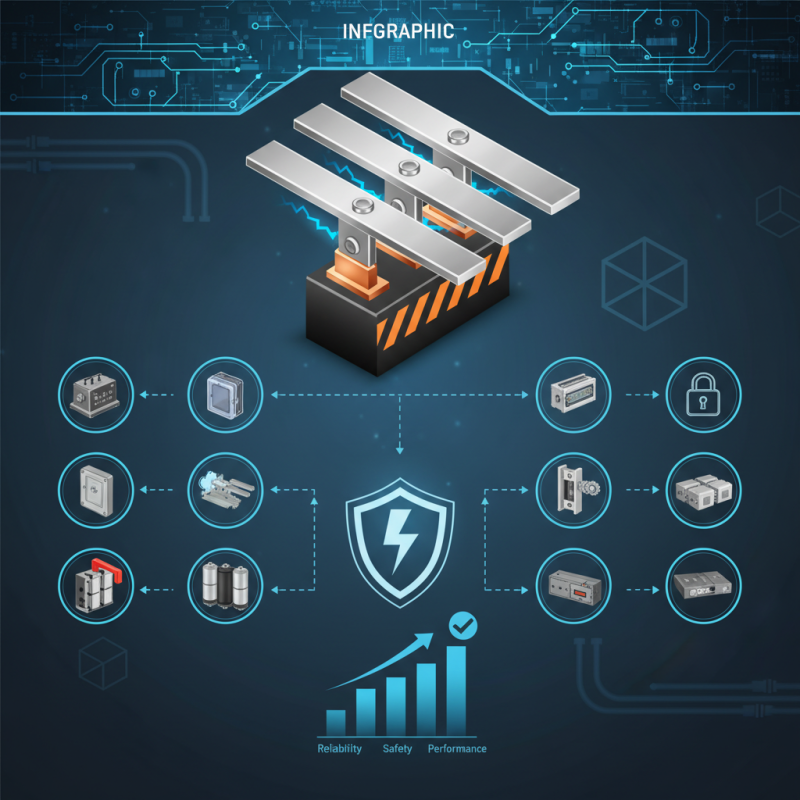
Knife disconnect switches play a critical role in electrical systems. They provide a safe means to isolate equipment from power sources. Understanding their functionality is essential for anyone in the electrical field.
These switches consist of a blade that can disconnect high-voltage circuits. When engaged, they create a clear break in the circuit. This is vital for maintenance and safety. It allows technicians to perform work without risk of electrical shock. However, improper installation or misuse can lead to dangerous situations. Always ensure they are installed correctly.
In terms of design, knife disconnect switches can vary. Some are built for outdoor use, while others are meant for indoor applications. Each type serves a specific function. Choosing the right switch can be challenging. Researching specifications and consulting experts can aid in decision-making. Ultimately, understanding these switches enhances safety and operational efficiency.
When selecting knife disconnect switches, several key features demand attention. One vital aspect is the switch's current rating. This determines how much electricity the switch can safely handle without failure. Ensure the switch matches your application’s requirements. A switch rated too low may pose a safety risk.
Another important feature is the switch's mounting style. Different installations require specific mount types, such as panel or surface mounts. Choose a compatible style that integrates seamlessly with your system. An inappropriate mount can lead to operational issues or physical damage.
Consider the construction materials as well. Durable materials enhance longevity and reliability. Corrosion resistance is also vital in harsh environments. A switch made from subpar materials will often fail prematurely. Do not overlook the importance of proper certifications and testing standards; compliance ensures that the switch meets industry safety protocols.
When choosing knife disconnect switches, the application is key. These devices offer vital protection and control in various settings. For industrial applications, robust switches are essential. They must withstand high currents and voltage variations. Reliable switches ensure safety during equipment maintenance.
Some knife disconnect switches operate in harsh environments. This is crucial for agriculture or mining operations. A switch that fails could lead to downtime or accidents. Corrosion-resistant materials are important in these situations. Look for features like easy visibility and accessible handles for operational efficiency.
Proper installation is also a significant concern. If a switch is installed incorrectly, it can be hazardous. Maintenance schedules should be set to ensure reliability. Regular checks can prevent unexpected failures. Remember, not all switches fit every need. Evaluate specifications carefully before making a decision.
Knife disconnect switches are essential for electrical safety in various industrial settings. They serve as crucial components in power systems, providing a reliable means to disconnect power safely. According to the National Fire Protection Association (NFPA), improper use of disconnect switches is a leading cause of industrial accidents. These switches must meet specific safety standards to mitigate risks.
The Underwriters Laboratories (UL) outlines stringent criteria for knife disconnect switches. They must withstand high short-circuit currents and demonstrate reliable operation under extreme conditions. Compliance ensures these switches can prevent electrical fires and protect workers during maintenance. A recent report indicates that over 25% of electrical accidents could have been avoided with proper disconnect protocols and compliant equipment.
While regulations provide a framework for safety, many industries struggle with consistent implementation. Lack of training and awareness often results in misuse of switches. Some facilities have reported failures due to improperly rated switches not suited for their applications. This highlights the need for continuous education and better practices to ensure adherence to safety standards.
Knife disconnect switches are crucial for electrical safety. Proper maintenance is key to their optimal performance. Regular checks can prevent unexpected failures. Inspect the connections frequently. Loose connections can lead to arcing or overheating. Tighten them as needed to avoid unnecessary risks.
Cleaning is another important step. Dust and grime can accumulate over time, impacting functionality. Use a soft cloth to wipe down the exterior. Check for signs of corrosion on the terminals. Corroded parts should be replaced promptly. This simple task can extend the life of your switch.
Don’t overlook the importance of testing. Functional tests should be done regularly. Ensure that the switch operates smoothly. Any unusual sounds or resistance may indicate a problem. Addressing these issues early can prevent larger failures down the line. Prioritize safety, and your knife disconnect switches will perform reliably.
| Switch Model | Voltage Rating (V) | Current Rating (A) | Number of Poles | Operating Temperature (°C) | Maintenance Tips |
|---|---|---|---|---|---|
| Model A | 600 | 100 | 3 | -20 to 60 | Regularly inspect contacts for wear. |
| Model B | 480 | 60 | 2 | -10 to 50 | Ensure proper lubrication of moving parts. |
| Model C | 250 | 150 | 4 | -25 to 55 | Check and tighten electrical connections. |
| Model D | 415 | 80 | 3 | 0 to 40 | Periodic testing for operational efficacy. |
| Model E | 600 | 120 | 4 | -20 to 65 | Cleaning dust and debris regularly. |
| Model F | 230 | 50 | 2 | -10 to 45 | Inspect seals and gaskets for integrity. |
| Model G | 400 | 100 | 3 | -20 to 60 | Check functionality periodically under load conditions. |
| Model H | 600 | 150 | 4 | -25 to 50 | Ensure connections are clean and free from corrosion. |
| Model I | 480 | 75 | 3 | 0 to 45 | Testing for electrical faults as needed. |
| Model J | 230 | 60 | 2 | -10 to 40 | Regularly check for loose wires. |
We are here to help you with all your queries and concerns, just write to us using the below form and we will get back to you as soon as we can.