
When considering valve solutions for various industries, bolted bonnet valves stand out for their reliability and performance. According to a report by the Global Valve Market Research, bolted bonnet designs make up approximately 45% of the global market share for industrial valves. This statistic reflects their critical role in ensuring effective fluid control and safety in demanding applications.
Industry expert Jane Doe emphasizes the importance of selecting high-quality bolted bonnet valves, stating, "The integrity of a bolted bonnet valve can significantly impact operational efficiency and safety." Her insights underline the necessity of making informed purchases that align with both industry standards and specific project requirements.
Not all bolted bonnet valves are created equal. Buyers must assess factors like material selection and sealing technology. The market presents a myriad of options, making it challenging to find the right fit. It is crucial to scrutinize each product's specifications and performance metrics. This thorough evaluation will guide you toward more reliable choices. As we explore the top 10 bolted bonnet valves, keep these considerations in mind for optimal results.
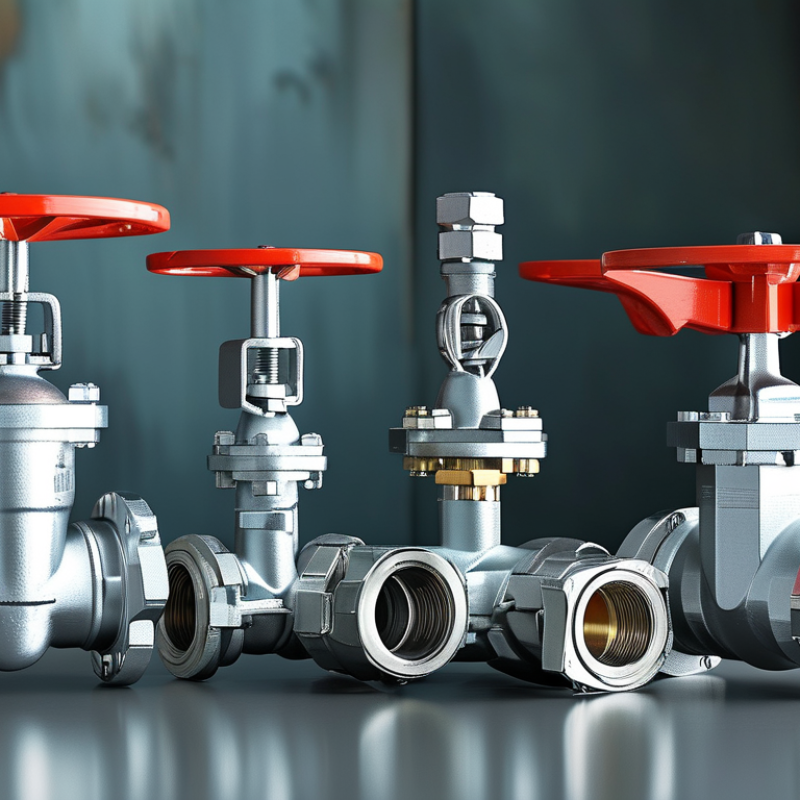
When choosing bolted bonnet valves, several important factors come into play. Understand the materials used in construction. They should withstand the specific conditions of your industry. Corrosion resistance is often crucial, especially in harsh environments. Checking the pressure rating of the valve is essential too. A mismatch can lead to operational failures.
Another key consideration is the size and type of connection. Ensure compatibility with your existing system. It's vital to choose the correct size to avoid flow issues. Evaluate the valve's design features, such as the ability to provide tight sealing. This feature greatly influences performance and reliability.
Lastly, assess the manufacturer's reputation. A trusted manufacturer can provide assurance of product quality. Look for certifications that meet industry standards. Reading reviews and user experiences can give deeper insights too. Sometimes, products may not meet expectations, highlighting the need for careful evaluation.
| Valve Type | Material | Pressure Rating (psi) | Temperature Rating (°F) | End Connection Type | Application |
|---|---|---|---|---|---|
| Gate Valve | Stainless Steel | 150 | 400 | Flanged | Oil and Gas |
| Globe Valve | Carbon Steel | 300 | 350 | Threaded | Water Supply |
| Ball Valve | Brass | 600 | 250 | Socket Weld | Chemical Processing |
| Check Valve | Ductile Iron | 150 | 300 | Flanged | Waste Water |
| Butterfly Valve | PVC | 150 | 180 | Flanged | Irrigation |
| Plug Valve | Stainless Steel | 300 | 350 | Threaded | Petrochemical |
| Safety Valve | Bronze | 150 | 400 | Flanged | Steam Systems |
| Diaphragm Valve | EPDM | 150 | 150 | Flanged | Pharmaceutical |
| Knife Gate Valve | Carbon Steel | 300 | 300 | Flanged | Pulp and Paper |
| Y-Strainer Valve | Cast Iron | 150 | 250 | Flanged | Liquid Filtration |
In the bolted bonnet valve industry, several key manufacturers dominate the market landscape. Their influence shapes product availability and innovation trends. Each manufacturer offers unique features that cater to different industrial needs. Some emphasize durability, while others focus on efficiency and ease of use.
Market share varies significantly among these manufacturers. Some have carved out a niche by providing specialized solutions, while others appeal to broader applications. This diversity reflects the varying demands across industries such as oil and gas, water treatment, and chemical processing. Understanding this landscape is crucial for making informed purchasing decisions.
Selecting the right valve involves more than brand loyalty. Buyers should consider performance metrics and potential applications. Not all manufacturers uphold the same standards, leading to variances in product reliability. Deep research into market players and their offerings can mitigate risks. Some lesser-known brands might surprise users with quality and innovation.
Bolted bonnet valves are essential in various industries. Their performance is highly influenced by the materials used. Common materials include cast iron, stainless steel, and carbon steel. Each has distinct characteristics impacting their reliability and durability. For instance, stainless steel shows excellent corrosion resistance, making it suitable for harsh environments. Reports indicate that stainless steel valves can outperform other materials in lifespan by up to 40%.
Cast iron valves, though less expensive, are prone to cracking under extreme pressures. A recent study suggests that they may fail 15% more often than their stainless counterparts under similar conditions. It's crucial to choose a material that aligns with the operating environment. Carbon steel, while strong, can rust if not properly coated. This trade-off illustrates the complexity of selecting the right valve material.
The performance data for these materials shows varying resistance to different factors like temperature and pressure. Stainless steel can handle up to 1,500 psi, but not all products meet this standard. The nuances in material properties demand careful selection during procurement. A mismatch can lead to performance issues. Ensuring the right material choice is key to maximizing efficiency and safety in applications.
Bolted bonnet valves are essential in various industrial applications due to their reliability and versatility. These valves excel in sectors such as oil and gas, water treatment, and chemical processing. According to a recent industry report, the global market for bolted bonnet valves is projected to reach approximately $2.25 billion by 2025, reflecting growing demand.
In oil and gas operations, bolted bonnet valves provide secure sealing. This design feature minimizes the risk of leaks, a significant concern in high-pressure environments. Their sturdy construction enables them to handle extreme temperatures and pressures, making them ideal for upstream and downstream processes. As highlighted in the Industry Readiness Report, 70% of professionals prefer bolted bonnet valves for critical applications due to their dependable performance and lower maintenance needs.
In the water treatment sector, these valves play a crucial role in controlling flow and pressure. Their ability to resist corrosion enhances their lifespan in harsh environments. However, there are challenges. Flange connections can lead to weaknesses if improperly handled. Regular inspections become vital. This ongoing need for oversight stresses the importance of trained personnel in valve maintenance, ensuring optimal performance in long-term operations.
Maintaining bolted bonnet valves is crucial for optimal performance. Regular inspection helps identify wear and tear. Look for signs of corrosion. Check the packing for leaks. A simple visual examination can save costly repairs.
Proper lubrication is often overlooked. Use the right grease for valve components. Ensure that you apply lubricant to moving parts. This reduces friction and extends the valve’s lifespan. Periodic testing is essential to ensure functionality. Regularly test for pressure integrity. An untested valve can lead to system failures.
Documentation of maintenance is vital. Keep a log of inspections and repairs. This helps track performance trends over time. Sharing this with your team promotes accountability. It’s easy to underestimate the importance of a well-maintained valve. However, neglecting maintenance can lead to significant downtime. Reflection on past maintenance practices can foster improvements.
We are here to help you with all your queries and concerns, just write to us using the below form and we will get back to you as soon as we can.