
Top 10 Electric Cargo Tricycles Buyers Need to Know?

The rise of Electric Cargo tricycles is transforming the logistics landscape. These vehicles offer an eco-friendly alternative for transporting goods. They are gaining popularity due to their efficiency and compact size. Businesses seek sustainable solutions, and Electric Cargo tricycles meet this demand.

Choosing the right Electric Cargo tricycle requires careful consideration. Factors like load capacity, battery life, and durability matter. Buyers must also think about maintenance and service accessibility. Not all options available in the market are trustworthy. Some models may fall short in performance.

As you explore the top 10 Electric Cargo tricycles, understanding your specific needs is crucial. Some tricycles may look appealing but underdeliver in practice. Researching reputable brands can save you from costly mistakes. Investing in a reliable Electric Cargo tricycle can significantly enhance your business operations.
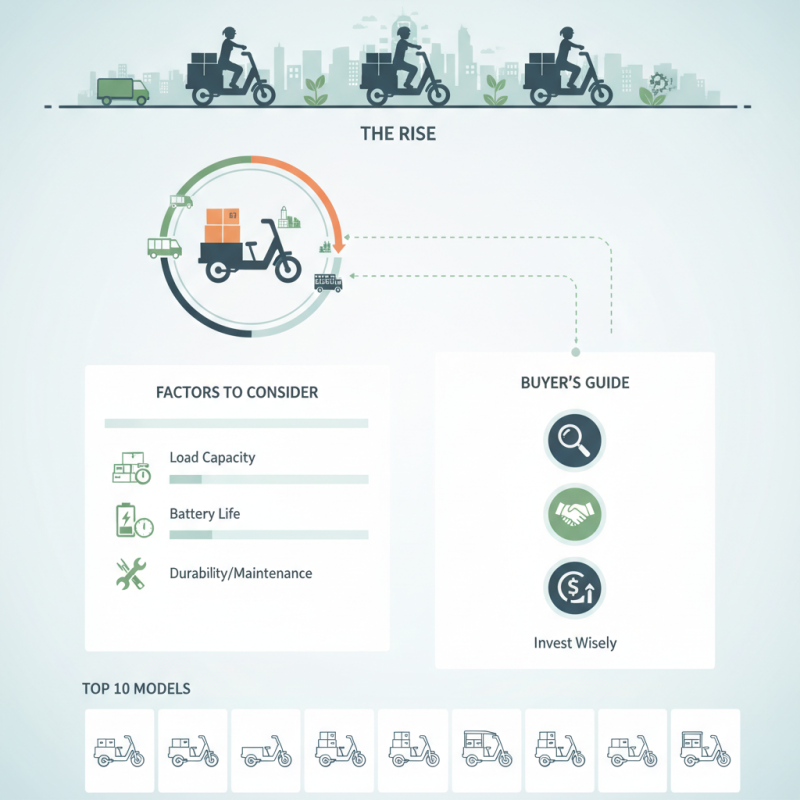
Top 10 Electric Cargo Tricycles Buyers Need to Know?

Understanding Electric Cargo Tricycles: An Overview

Electric cargo tricycles are gaining attention for their efficiency in urban logistics. These vehicles combine practicality with sustainability. According to a report from the Global Electric Vehicle Partnership, the demand for electric cargo tricycles is expected to grow by over 25% in the next five years. This surge reflects a shift toward cleaner transportation methods.

Understanding the mechanics behind electric cargo tricycles reveals their advantages. They typically feature a robust frame for heavy loads and a battery that can last up to 100 miles on a single charge. However, charging infrastructure remains a challenge, especially in developing areas. Many users feedback on long charging times and limited access to charging stations.

Additionally, maintenance can be tricky. Though electric motors require less upkeep than combustion engines, issues can arise with battery longevity. Up to 30% of owners report concerns about battery replacement costs. Reliability can vary significantly based on manufacturer and usage patterns, highlighting the need for thorough research before purchasing. Balancing these factors could lead to better decisions for potential buyers in the growing marketplace.

Key Features to Consider When Selecting an Electric Cargo Tricycle

When selecting an electric cargo tricycle, key features can make a significant difference. Consider the load capacity. Ideally, you want a tricycle that can handle your typical cargo weight with ease. Look for specifications detailing the maximum weight the tricycle can carry. It’s crucial to avoid overloading, as it affects performance and longevity.

Battery type and range are vital too. A higher capacity battery allows for longer trips without frequent recharging. Check how far the tricycle can travel on a single charge. Some models fall short in real-world conditions. Performance can vary based on terrain and load, so keep that in mind. The design of the cargo area is another aspect. Look for compartments or secure fastenings that keep your items safe and organized.

Safety features should not be overlooked. Proper brakes and stability systems are critical for handling, especially when carrying heavier loads. Ensure that the tricycle offers good visibility and comfort for the rider. Remember, if a feature isn't working as expected, it may be time for a reassessment. Small adjustments can lead to better performance. Consider all these factors carefully for an informed purchase.

Top Brands in the Electric Cargo Tricycle Market

When exploring the electric cargo tricycle market, it's crucial to understand the leading brands. Numerous manufacturers prioritize efficiency, design, and reliability. Each brand approaches innovation differently, impacting their market presence.

Many top brands feature durable frames and powerful batteries. Their design choices cater to urban and rural logistics. Some tricycles are built for heavy loads, while others excel in speed. Efficiency varies, especially in diverse terrains. User experiences with these brands reveal strengths and weaknesses, providing insights into performance.

Customer reviews highlight key aspects of service and support. Some brands fall short in after-sales assistance. Reliability of parts can fluctuate, leading to potential frustrations. Balancing cost and quality is essential. Brand reputation might not always reflect the individual user experience.

Top 10 Electric Cargo Tricycles Buyers Need to Know

Model Payload Capacity (kg) Range (km) Battery Type Charging Time (hrs) Price (USD)
Model A 300 60 Lithium-ion 5 3500
Model B 400 80 Lead-acid 6 2500
Model C 250 50 Lithium-ion 4 3200
Model D 350 75 Lithium-ion 5 4000
Model E 450 90 Lead-acid 7 2700
Model F 300 65 Lithium-ion 5 3600
Model G 350 70 Lithium-ion 6 3800
Model H 400 85 Lead-acid 8 2400
Model I 500 90 Lithium-ion 5 4100
Model J 350 60 Lithium-ion 4 3300

Comparing Costs: Purchase and Maintenance of Electric Cargo Tricycles

When considering electric cargo tricycles, understanding their costs is essential. These vehicles typically range from $1,500 to $4,500 based on features and capacity. Maintenance costs also add up. Routine checks, tire replacements, and battery maintenance are ongoing expenses. Industry reports suggest that annual maintenance can average around $200 to $300 depending on usage.

Many buyers overlook the importance of battery life. Some tricycle brands offer batteries that last only 1-2 years. Investing in a tricycle with a robust battery can save significant costs in the long run. The typical cost of a battery replacement ranges from $300 to $800, making durability crucial.

Tip: Assess the warranty provided for batteries. A solid warranty can mitigate unexpected expenses.

Another aspect to consider is the resale value. Electric cargo tricycles tend to depreciate faster than traditional vehicles. Research indicates a 20-40% drop in resale value after three years. This factor can significantly impact total ownership costs.

Tip: Explore local market conditions before purchasing. Understanding demand can help with resale strategies.

Regulations and Licensing Requirements for Electric Cargo Tricycles

Navigating the regulations and licensing requirements for electric cargo tricycles is crucial for buyers. The market for these vehicles is expanding rapidly, projected to grow at a CAGR of approximately 10% through 2025. Understanding local laws is essential to avoid potential pitfalls. Each region may have different standards that could affect the operation of these tricycles.

Many jurisdictions require specific licenses for electric cargo vehicles. This may include vehicle registration and compliance with safety standards. Some regions mandate emissions certifications, even for electric-powered units, demonstrating their commitment to sustainable transport. Failing to comply with these regulations can lead to hefty fines or operational restrictions.

Additionally, buyers often overlook insurance requirements, which can be complex. Policies may vary widely, influenced by factors such as weight capacity and usage. Less than 30% of operators adequately secure insurance, risking significant financial losses in accidents. It’s essential for buyers to consult legal experts familiar with transport regulations in their area. The landscape is continually changing, reflecting a move toward stricter regulations to enhance safety and environmental impact.

Our dedicated sales and support staff are here to help you identify the ideal pump solution for your needs.

Contact Us