
In the realm of construction, efficiency is crucial. The use of an Electric Concrete Mixer has revolutionized the way concrete is mixed on-site. According to industry reports, electric mixers can improve productivity by up to 30% compared to manual mixing. This efficiency translates into significant time and cost savings for construction projects.
Electric Concrete Mixers offer various advantages. They are easier to operate and maintain than their gas-powered counterparts. With advancements in technology, many models now feature adjustable settings for different mixing needs. However, not all mixers are created equal. Choosing the right one can be challenging due to the vast number of options available.
Despite the benefits, some users report difficulties in achieving the ideal mix consistency. This suggests that even the best Electric Concrete Mixers require careful operation and oversight. Construction professionals must remain vigilant to ensure the quality of their mix. Thus, selecting the right mixer is not just about features; it's also about understanding and adapting to the specific requirements of each project.
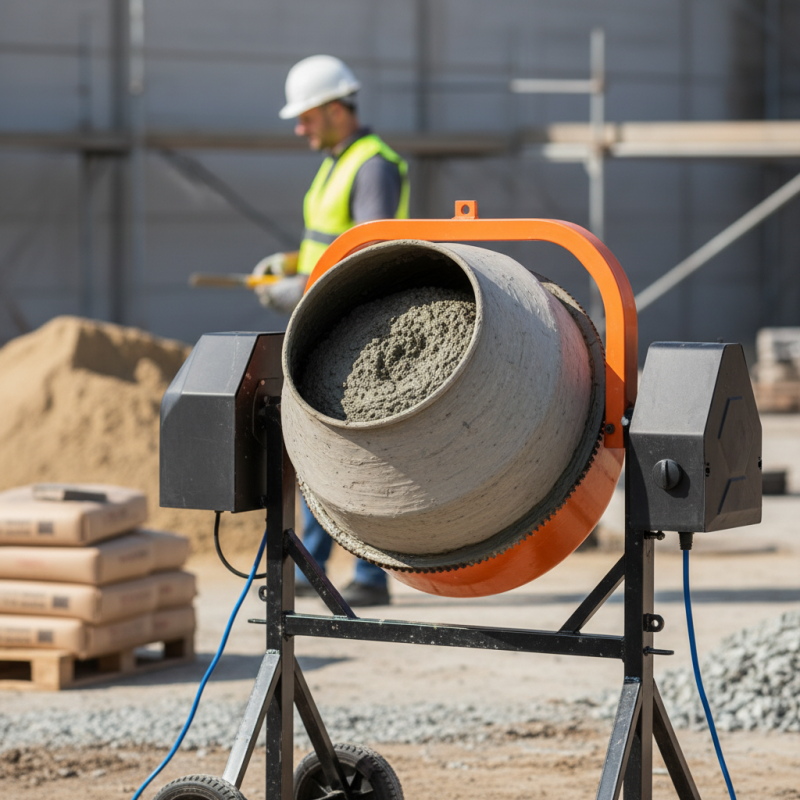
Electric concrete mixers have transformed modern construction. They offer convenience and efficiency for contractors. Unlike traditional mixers, they operate quietly and are easy to use. This makes them ideal for urban projects where noise reduction is essential.
One notable aspect of electric concrete mixers is their speed. They can mix concrete quickly, which can significantly reduce project timelines. However, the initial setup can be challenging for some users. Ensuring the right power source and proper maintenance is crucial. Many operators find the learning curve steep, especially with advanced features.
Furthermore, the portability of electric mixers adds to their appeal. They are often lightweight and easy to maneuver. Yet, some models may struggle with larger batches, leading to inconsistent mixes. It's essential to choose a mixer that fits the project's scale. Balancing portability and capacity requires thoughtful consideration. Many professionals have noticed the impact of mixer performance on the overall job quality.
When selecting an electric concrete mixer, key features play a crucial role. Focus on the mixing capacity, as it directly affects efficiency. Mixers usually range from 2 to 5 cubic feet in capacity. Larger mixers can handle bigger projects, while smaller models are ideal for residential tasks. According to industry reports, a high-capacity mixer can improve productivity by up to 30%.
Another essential factor is power and motor rating. Most electric mixers operate between 1 to 1.5 horsepower. Greater power ensures consistent mixing and can handle heavier materials. A reliable motor reduces downtime and maintenance costs. Reports indicate that mixers with durable gears and components last longer, ultimately saving contractors money.
Consider the weight and portability, too. Lighter models, weighing around 90 to 120 pounds, offer better maneuverability. It’s convenient for small sites. However, heavier mixers often provide more stability but can be cumbersome. Some users underestimate the challenge of transporting larger mixers to job sites. Quality wheels and a sturdy frame can make a significant difference in usability. Balancing weight and functionality requires careful thought, as an inappropriate choice may lead to efficiency losses.
When selecting electric concrete mixers, several top brands stand out in the construction industry. These mixers are pivotal for ensuring a smooth, even blend. Efficiency and reliability are vital for any construction project. Many users appreciate mixers with robust motors, typically ranging from 1 to 2 cubic feet in capacity. This ensures they can handle small to medium tasks effectively.
Some models feature a tilting drum design. This allows for easier pouring and clean-up. Additionally, portability is a crucial factor. Lightweight mixers can easily move around job sites, making them ideal for various projects. However, some users have noted that smaller models may struggle with larger batches. It's essential to consider the project's scale before making a purchase.
Furthermore, ease of maintenance can greatly affect the long-term investment. Some mixers are designed with easy access to internal components for cleaning and repairs. This longevity can minimize downtime during such tasks. Yet, some users might find that the assembly process is not as straightforward as they’d hoped. Balancing user-friendly features with powerful performance remains a challenge for many manufacturers in this competitive market.
Electric mixers have transformed construction processes. They offer several advantages over traditional manual options. First, electric mixers save time. Mixing is faster and more consistent. This efficiency leads to quicker project completion. Workers can focus on other crucial tasks when mixing is automated.
Electric mixers also reduce physical strain on workers. They are easier to operate, requiring less physical effort. This creates a safer work environment and decreases the risk of injury. Additionally, electric mixers produce a uniform mix. This quality results in stronger concrete and better project outcomes.
Tip: Always check the mixer’s power ratings before purchase. A higher rating usually means better performance.
While electric mixers are beneficial, they do require a reliable power source. Lack of electricity in remote sites can hinder progress. Moreover, the initial cost may be higher than traditional options. Consider your budget and project needs carefully.
Tip: Maintenance is crucial for longevity. Regularly inspect the mixer for wear and tear. Keeping it in good condition will ensure efficiency over time.
Maintaining and operating electric concrete mixers efficiently requires attention to detail. Regularly check the power cord and plug for wear or damage. A frayed cord can lead to performance issues or safety hazards. Keep the mixer clean after each use. This prevents concrete buildup, which can cause problems in future operations. Use a mixture of water and detergent for the cleaning process.
Proper operation is crucial for longevity. Overloading the mixer can strain the motor, leading to premature failure. Ensure the mixer isn’t overfilled; it should run smoothly without excessive noise. Monitor the mix’s consistency. If it appears too thick or too runny, adjust your water-to-cement ratio.
It’s also important to allow the mixer to cool down. Continuous use may lead to overheating, affecting its performance. If you notice unusual vibrations or noises, investigate the issue immediately. Small problems can escalate quickly if not addressed. Finally, consider keeping a maintenance log. Documenting these aspects will help track the performance over time, giving insights into potential improvements.
We are here to help you with all your queries and concerns, just write to us using the below form and we will get back to you as soon as we can.