

-

97 Auto Road, County of Vermilion River, AB T0B 0L0
-

-

97 Auto Road, County of Vermilion River, AB T0B 0L0
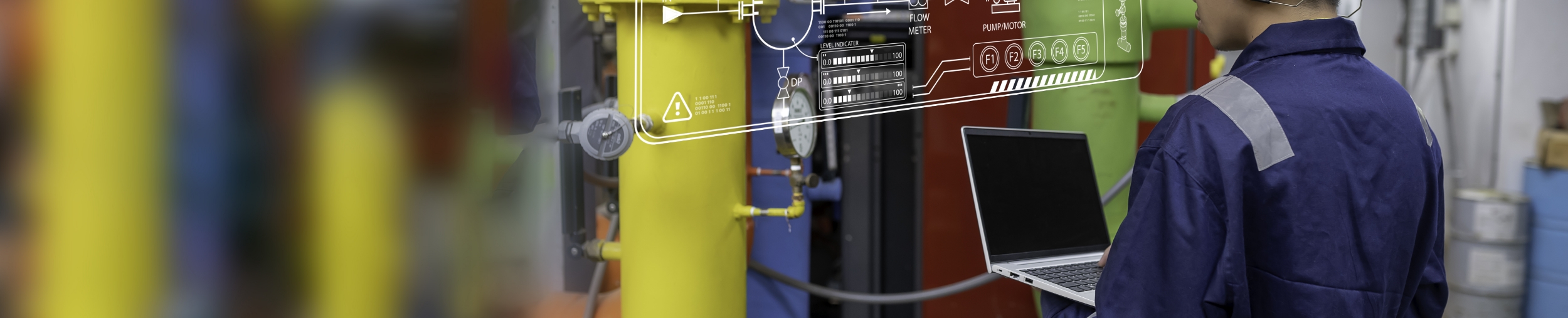
Global demand for plastic piping continues to expand across water infrastructure, gas distribution, agriculture, and industrial projects. Grand View Research identifies infrastructure investment and replacement needs as major drivers of the global plastic pipes market. The International Energy Agency also reports rising investment pressure on resilient water systems. These trends increase demand for reliable Fusion Pipe Welder equipment, especially for HDPE and polypropylene installations.
Yet, buying decisions require more than market growth figures. A professional evaluation should examine heating-plate accuracy, hydraulic stability, alignment tolerance, pressure control, and field portability. ASTM F2620 and ISO 21307 provide widely recognized guidance for thermoplastic pipe fusion procedures. The Plastics Pipe Institute also emphasizes controlled heating, clean pipe faces, and documented joining parameters. On a jobsite, these details matter: a contaminated pipe end, uneven clamp pressure, or a poorly calibrated temperature sensor can weaken the joint.
This guide reviews leading Fusion Pipe Welder manufacturers for global buyers. It considers product design, certification practices, service networks, spare-part access, operator training, and total ownership cost. Reports from MarketsandMarkets describe infrastructure modernization as a continuing opportunity for thermoplastic piping technologies, but equipment quality varies between suppliers. That point deserves attention. A lower purchase price may hide expensive downtime, limited technical support, or difficult software updates. No manufacturer is perfect. Buyers should verify test records, regional compliance, warranty terms, and real project references before ordering. Reliable performance is proven in trenches, not brochures.
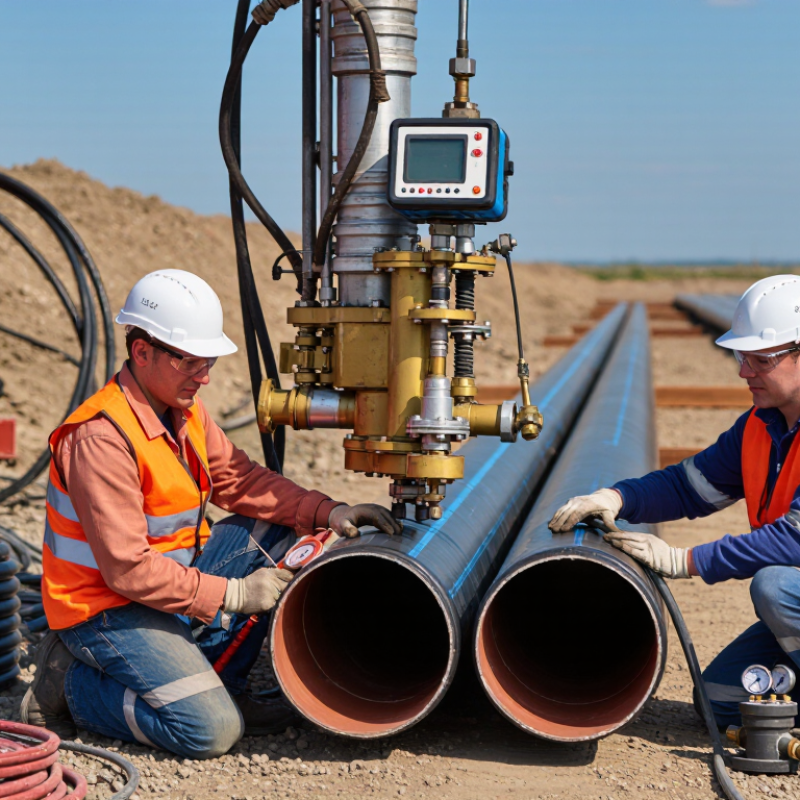
Pipe fusion welding joins thermoplastic pipes by heating their surfaces and pressing them together under controlled pressure. The process creates a continuous joint without threaded connections or extra sealing materials. Field technicians commonly use butt fusion, socket fusion, and electrofusion equipment.
Butt fusion machines align pipe ends, heat them with a coated plate, and apply pressure during cooling. They suit larger diameters and long utility lines. Socket fusion tools heat a pipe and fitting at matching depths. They are compact and useful for smaller installations. Electrofusion machines send controlled electrical energy through fitting wires. This method helps in restricted spaces, but requires clean surfaces and accurate scraping.
Tips: Check pipe material, diameter, wall thickness, and voltage before selecting equipment. Confirm that the machine records temperature, pressure, and cooling time. A stable clamp matters more than a polished exterior. Keep heating plates clean. Never rush cooling. I have seen strong-looking joints fail after poor alignment, so visual confidence is not enough. Operators should follow qualified procedures and inspect trial joints before production. Calibration records also improve purchasing decisions. Some buyers focus heavily on maximum diameter, although portability, power supply, and service training may matter more on remote projects. Equipment specifications can look precise, but site conditions often expose their limits.
| Fusion Equipment Type | Typical Pipe or Fitting Range | Compatible Materials | Main Equipment Included | Typical Heating or Fusion Method | Common Applications | Key Buyer Evaluation Points |
|---|---|---|---|---|---|---|
| Butt Fusion Machine | Approximately 40–2,000 mm, depending on machine configuration | PE, HDPE, PP, and selected thermoplastic piping systems | Hydraulic or electric machine body, clamps, facer, heater plate, hydraulic power unit, control panel, and data recorder | Pipe ends are faced, heated with a controlled plate, joined under pressure, and cooled while clamped | Water transmission, gas distribution, mining, industrial piping, and municipal infrastructure | Clamping accuracy, hydraulic pressure control, heater temperature stability, alignment, portability, and standards support |
| Socket Fusion Tool | Commonly 16–125 mm for portable systems | PP, PE, and other compatible thermoplastic socket-fusion systems | Hand-held heating unit, interchangeable male and female heating dies, temperature controller, stand, and tool case | The outside of the pipe and inside of the fitting are heated simultaneously, then pressed together | Building services, plumbing, irrigation, compressed-air lines, and small-diameter process piping | Die availability, temperature calibration, ergonomic design, heating time control, and suitability for confined spaces |
| Electrofusion Processor | Usually 20–1,600 mm, determined by the fitting and control unit | Primarily PE and HDPE electrofusion fittings | Electrofusion control unit, barcode scanner or manual input, welding leads, scraper, alignment clamps, and generator-compatible power supply | Embedded resistance wires in the fitting are energized to melt and fuse the pipe and fitting surfaces | Repair work, gas networks, urban water systems, service connections, and locations with limited excavation clearance | Voltage and current control, traceability, barcode compatibility, generator tolerance, connection quality, and data storage |
| Saddle Fusion Machine | Main pipe sizes often range from about 63–1,200 mm; branch outlets vary by fitting design | PE and HDPE saddle fittings | Clamping frame, hydraulic or manual pressure system, saddle heater, facing tools, and branch alignment accessories | The pipe surface and saddle fitting base are heated and pressed together under controlled force | Branch connections, water distribution, gas service lines, and network extensions | Branch alignment, clamping stability, heating uniformity, pressure control, and compatibility with approved fittings |
| Manual or Semi-Automatic Butt Fusion Unit | Commonly 40–315 mm for field installation and maintenance work | PE, HDPE, and compatible polypropylene pipe systems | Compact frame, manual or low-power hydraulic clamps, facer, heater, pressure gauge, and transport case | Operator-controlled facing, heating, joining pressure, and cooling sequence | Small contractors, emergency repairs, agricultural irrigation, and remote construction sites | Low weight, field serviceability, clamp rigidity, replacement parts, power requirements, and operator training needs |
| Automatic CNC-Controlled Fusion Machine | Typically 63–1,600 mm, with larger custom configurations available | PE, HDPE, PP, and approved thermoplastic systems supported by the process specification | Hydraulic frame, electric facer, controlled heater, sensors, touchscreen interface, pressure monitoring, and weld-data recorder | Programmable heating, pressure, bead-up, changeover, joining, and cooling cycles | Large infrastructure projects, prefabrication yards, repeated production work, and quality-critical installations | Process repeatability, digital records, calibration, software usability, remote support, safety interlocks, and operator certification |
| Evaluation Dimension | What to Verify Before Purchase | Why It Matters |
|---|---|---|
| Applicable Standards | Support for relevant procedures such as ISO 21307, ASTM F2620, ISO 12176, or local utility specifications | Standards define equipment requirements, fusion procedures, testing practices, and operator expectations |
| Temperature Control | Stable heater performance, readable controls, calibration records, and suitable operating range for the selected material | Incorrect temperature can produce incomplete fusion, overheating, material degradation, or weak joints |
| Pressure and Alignment | Clamp rigidity, pipe alignment, pressure gauge accuracy, hydraulic performance, and repeatable force control | Consistent pressure and alignment are essential for a uniform fusion bead and reliable joint strength |
| Traceability and Documentation | Digital weld reports, operator identification, time and temperature records, calibration certificates, and exportable files | Project owners and utilities often require documented quality control and installation records |
| Power Compatibility | Voltage, frequency, phase, generator capacity, plug configuration, and protection requirements for the destination market | Power mismatches can reduce performance, damage electronics, or prevent use in remote locations |
| After-Sales Support | Availability of spare parts, technical manuals, calibration service, training, warranty terms, and response time | Reliable support reduces downtime and helps maintain safe, repeatable fusion quality throughout the equipment life cycle |
Note: Working ranges are typical industry ranges and can vary according to pipe outside diameter, wall thickness, material grade, fitting design, fusion procedure, and applicable local regulations.