Top 10 Metal Cutter Types for Efficient Industrial Use?
The industrial landscape is evolving, and effective metal cutting solutions are more crucial than ever. According to a recent report by the International Association of Machining Professionals, the demand for efficient metal cutting tools has surged by 25% over the last five years. This trend highlights the importance of selecting the right "Metal Cutter" type for specific applications. As industry expert Dr. Susan Carter once stated, “Choosing the right cutter can significantly impact production efficiency and cost-effectiveness.”
Different cutting tools serve varied purposes in manufacturing processes. The choice of a metal cutter affects not only the speed of operation but also the quality of the output. Precision is key in metalworking, where even minor imperfections can lead to costly errors. As reported by the National Tooling and Machining Association, poor cutting tool selection can increase production downtime by up to 20%.
In the competitive realm of industrial manufacturing, knowledge is power. This guide will dissect the top 10 metal cutter types, emphasizing their unique benefits and applications. Understanding these tools can ensure better performance and reliability in manufacturing operations. Effective metal cutting is no longer just about the machine; it's about the mindset of continuous improvement and adaptation to new challenges.
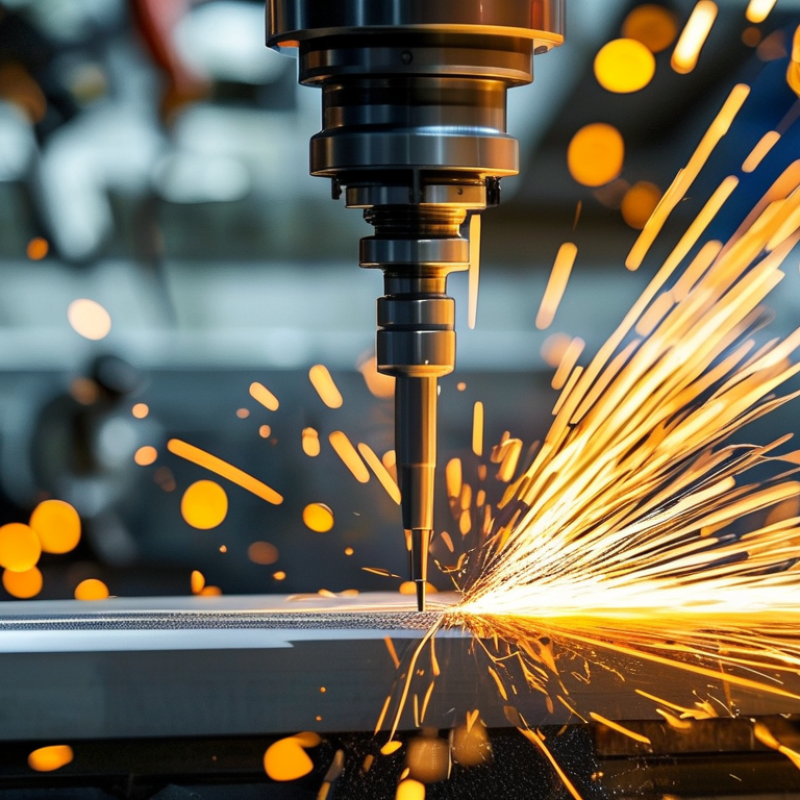
Types of Metal Cutters Used in Industrial Applications
In industrial settings, the right metal cutter can greatly enhance efficiency and productivity. Common types include plasma cutters, laser cutters, and mechanical saws. According to industry reports, plasma cutters are favored for their speed and versatility, making them ideal for thick materials. They can cut through steel plates up to six inches thick while maintaining a clean edge. This versatility makes plasma cutters a popular choice in fabrication shops.
Laser cutters, on the other hand, are known for their precision. They can achieve intricate designs, which is crucial in industries like aerospace. Research indicates that laser cutting has reduced waste material by as much as 15% in manufacturing processes. However, they require significant investment in equipment and maintenance. These factors might deter smaller businesses from adopting this technology.
Despite advancements, mechanical saws remain essential for specific applications. They provide simplicity and reliability, especially in environments where cost is a significant concern. Industry data suggests that traditional saws have not been completely phased out, as they can often handle tough metals better than their modern counterparts. As industries evolve, the chosen metal cutter must align with their specific needs and constraints, illustrating the ongoing debate over technology versus practicality.
Top 10 Metal Cutter Types for Efficient Industrial Use
Features and Benefits of Each Metal Cutter Type
When selecting the right metal cutter for industrial use, understanding the features and benefits is crucial. Each type of cutter serves specific applications, varying from precision cutting to heavy-duty tasks. Laser cutters, for example, provide exceptional accuracy. They produce clean edges and require minimal finishing work. However, they can be expensive and require skilled operators for optimal use.
Plasma cutters are versatile. They cut through thick metal quickly and efficiently. This tool works best on surfaces that are uneven or dirty. While they have a high initial cost, the long-term savings in speed and labor can be significant. On the downside, the heat can cause warping in thinner materials.
Tips: Always consider your workspace. Proper ventilation is essential when using cutters that generate heat or fumes. Additionally, keep maintenance in mind. Regular checks can prolong the life of your equipment and improve performance.
Another option is the band saw, known for its ability to make intricate cuts. Band saws minimize waste due to narrow kerfs. However, they can be slower than other methods, requiring patience and careful handling. Always align the material properly to avoid derailment during operation.
Tips: Training staff on proper techniques can reduce accidents. Investing time in learning how to use these tools correctly can lead to improved safety and efficiency. Consider potential risks and always review safety procedures.
Factors to Consider When Choosing a Metal Cutter
Choosing the right metal cutter for industrial use involves considering several critical factors. The type of metal you are cutting is crucial. Different metals have varying hardness levels and properties, affecting the selection of cutting tools. For example, tools typically work well on aluminum but may struggle with hardened steel. According to industry reports, about 70% of metal-processing issues arise from improper cutter selection.
Speed and feed rates are also vital. Adjusting these parameters can improve cutting efficiency and prolong cutter life. A report from the Metal Cutting Institute indicates that increasing feed rates by just 10% can enhance productivity significantly. However, excessive speeds can lead to tool wear and reduced accuracy.
Tips: Regularly assess the performance of your metal cutter. If you notice a decline in cutting quality, it may be time to reevaluate your choice. Experiment with different cutter types to find the optimal fit for your operations. Evaluate the initial costs against long-term benefits. Sometimes investing in a higher-quality cutter can reduce overall expenses due to its durability and efficiency. Avoid sticking with outdated technologies; modern advancements can provide significant advantages.
Maintenance Tips for Prolonging the Life of Metal Cutters
Maintaining metal cutters is essential for efficiency in industrial applications. Regular cleaning can significantly enhance their performance. Dust and metal shavings accumulate during cutting, which can lead to overheating. A quick inspection after each use ensures debris is cleared away promptly. This habit prevents wear and prolongs the cutter's lifespan.
Proper storage is another crucial aspect. Metal cutters should be stored in a dry and organized space. Using protective cases can reduce risks of damage. Ensure they are firmly in place to prevent accidental impacts. Additionally, periodic sharpening keeps the edges in optimal condition. This attention to detail is often neglected but is vital for maintaining cutting precision.
Another factor to consider is lubrication. Applying the right lubricant helps reduce friction during operation. Too little can cause heat buildup, while too much may attract debris. Balancing lubrication is key. Reflecting on these maintenance practices can reveal gaps in routine care. Recognizing them enables improvements in the longevity and effectiveness of metal cutters.
Safety Best Practices for Using Metal Cutters in the Workplace
Metal cutting is integral to many industries. However, safety should always come first. Using metal cutters can be risky if proper precautions are not taken. Ensuring your workspace is organized is essential. A clean environment reduces hazard risks and allows better focus on the task.
Wear appropriate personal protective equipment (PPE) at all times. This includes safety glasses, gloves, and ear protection. Also, keep hands and loose clothing away from cutting blades. Training is crucial. All operators should receive proper instruction before using any metal cutting tools. Regular safety audits can reinforce safe practices.
Moreover, regular maintenance of tools is vital for safety. Dull blades can cause accidents. Always inspect equipment before use. Identify any potential hazards and act accordingly. Engaging in safety discussions can cultivate a culture of awareness. Reflection on past incidents can enhance understanding and accountability among workers.