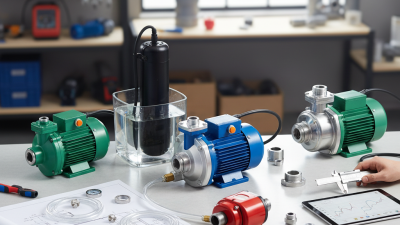
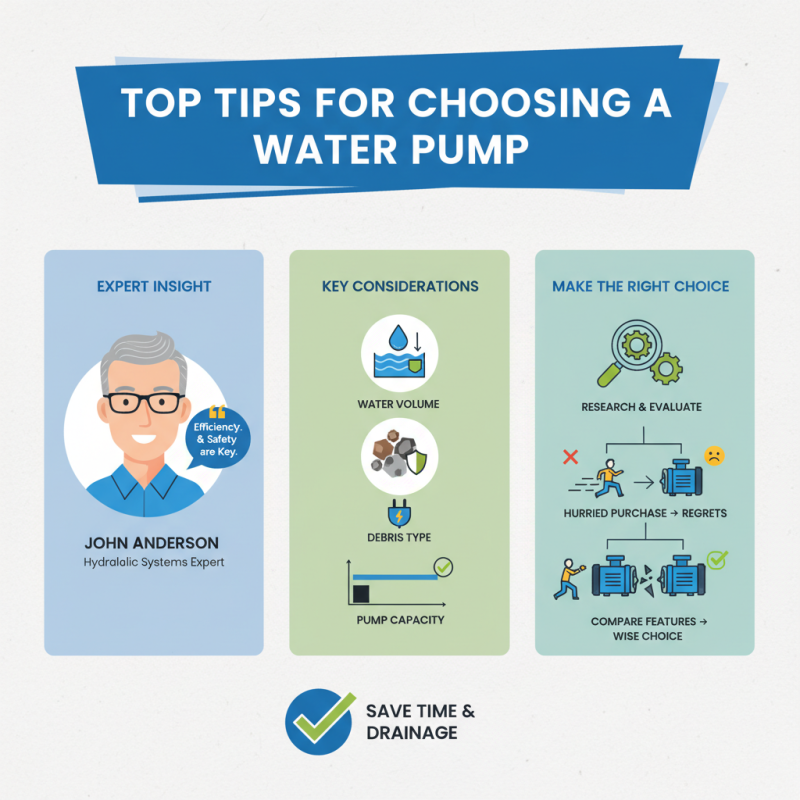
Choosing the right pump for pumping out water can be challenging. John Anderson, a leading expert in hydraulic systems, emphasizes, "Selecting the right pump is crucial for efficiency and safety." His insight highlights the importance of making informed decisions.
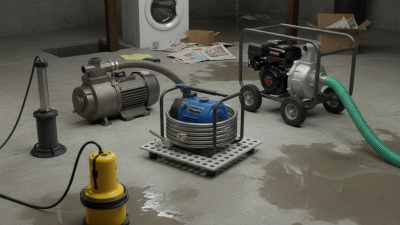
When considering a pump for pumping out water, it is essential to assess the specific requirements. Factors such as the volume of water, types of debris, and power source play significant roles. Many overlook the pump's capacity, which can lead to inefficient operation. It’s easy to think all pumps function alike, but that’s far from the truth.
An effective pump for pumping out water can save time and ensure proper drainage. However, some buyers may rush into purchasing without adequate research. This can lead to regrets later. Understanding the nuances of different pump types can aid in making a wise choice. Take time to evaluate features and specifications, ensuring they match your needs.
When facing emergencies, selecting the right water pump can be critical. According to a report by the National Flood Insurance Program, over 90% of flood-related damage occurs in areas that were not designated as flood zones. This highlights the need for a reliable water pump during unexpected situations. Understanding the factors at play can significantly impact your decision.
Tip: Assess the water source. Whether it's groundwater, heavy rain, or flooding, know what you're dealing with.
One major factor to consider is the pump's capacity. The American Society of Mechanical Engineers suggests that pumps should handle a minimum of 1,200 to 1,500 gallons per hour for effective drainage. This statistic emphasizes that underestimating capacity can lead to inadequate drainage, prolonging water accumulation.
Tip: Factor in the power source. Gasoline or electric pumps each have advantages, but accessibility may dictate your choice.
The durability of materials is equally crucial. Pumps made from corrosion-resistant materials can withstand harsh environments. Yet, some pumps may fail under rigorous use. Regular maintenance is essential to ensure longevity and functionality during emergencies.
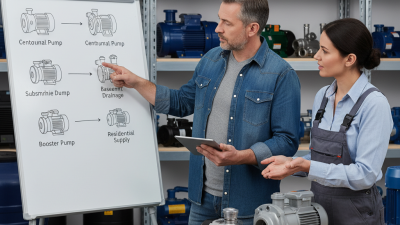
When choosing a water pump, it's essential to understand the two primary types: submersible and non-submersible pumps. According to the Water Industry Association, submersible pumps are designed to operate underwater. They efficiently handle flooding situations and can effectively manage high volumes of water. Data shows that these pumps are often preferred for strong performance in wells and drainage applications.
On the other hand, non-submersible pumps, also known as surface pumps, operate above water. They draw water from a distance, making them ideal for garden irrigation and pool draining. Industry reports highlight that non-submersible pumps are often easier to maintain, as they are accessible and can be repaired without special equipment. However, they may struggle with deeper water levels. Thus, understanding the right application for each is key to optimal performance.
Both types of pumps have distinct advantages and disadvantages. Submersible pumps can be more challenging to install and remove. In contrast, non-submersible pumps require a stable surface and can be influenced by atmospheric pressure. Careful assessment of your specific water pumping needs can help determine which option is best for you.
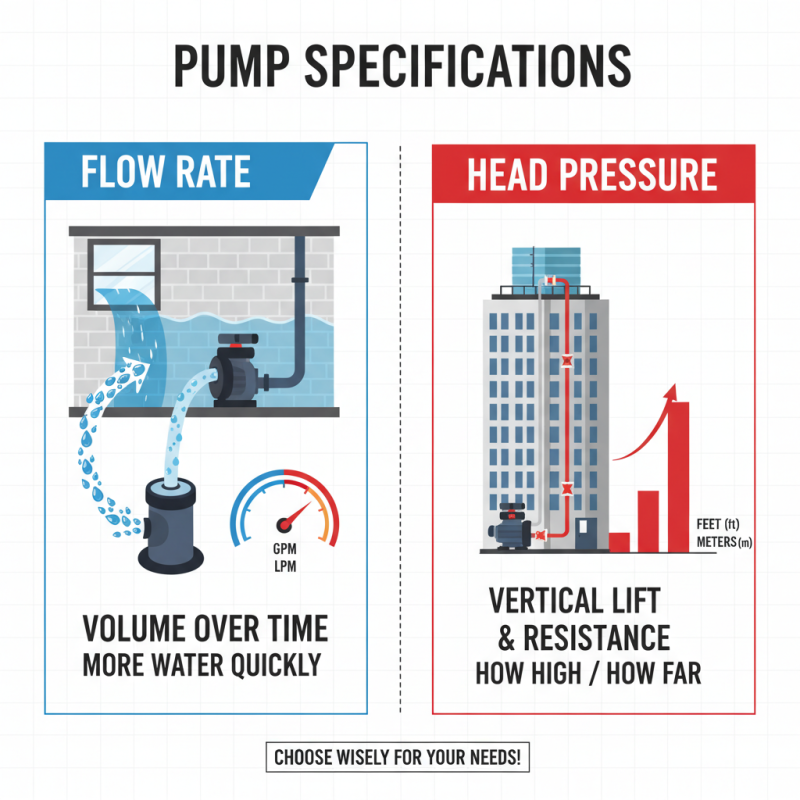
When selecting a pump for water removal, understanding flow rate and head pressure is crucial. Flow rate measures the volume of water a pump can move in a specific time. It is typically expressed in gallons per minute (GPM) or liters per minute (LPM). A higher flow rate means the pump can move more water quickly. For instance, if you need to empty a flooded basement, a pump with a high flow rate will help expedite the process.
Head pressure refers to the height a pump can lift water. This measurement is vital for determining if a pump is suitable for your needs. If a pump can only manage a limited head pressure, it may struggle to push water over obstacles. Consider the vertical distance from the water source to the discharge point. This difference plays a significant role in the pump's performance.
Understanding these specifications helps you make informed decisions. Many forget to assess their specific situation, leading to issues later. It's easy to overlook the importance of calculating the exact height and flow requirements. Reflecting on your project needs can lead to better pump choices. Opt for a system that matches your scenario for optimal results.
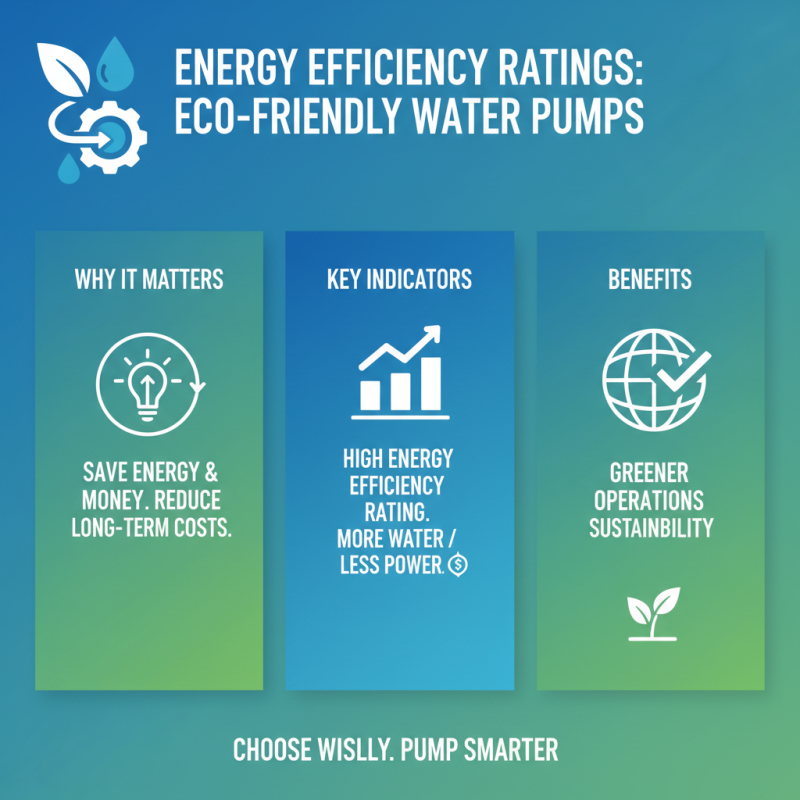
When selecting a water pump, energy efficiency is vital. Look for pumps with high energy efficiency ratings. These ratings indicate how much water the pump can move for each unit of energy consumed. A more efficient pump saves energy and reduces long-term costs. An eco-friendly option can make your operation not only greener but also less expensive.
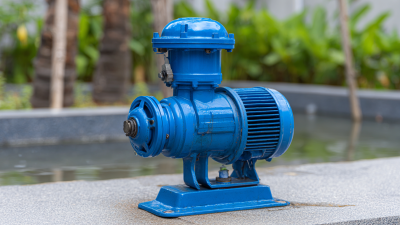
Consider the type of pump that fits your specific needs. Submersible pumps can be effective but may consume more energy. Centrifugal pumps, on the other hand, may offer better efficiency for surface water extraction. It’s essential to analyze the specific water characteristics and the pump size for optimal performance.
Sometimes, the best choice isn’t the most obvious one. Assess the total cost of ownership rather than just the initial investment. A cheaper pump may have lower efficiency and higher operating costs. Small mistakes can lead to significant waste and expenses over time. Reflect on your choices carefully to ensure a balance between eco-friendliness and functionality.
When it comes to maintaining a water pump, regular care is essential. According to a report from the Hydraulic Institute, pump failure often stems from inadequate maintenance practices. Simple tasks can significantly extend the lifespan of your pump. Routine inspections can identify wear and tear before they develop into major issues.
Cleaning is another vital component. Debris buildup can hinder performance. Experts suggest that debris can reduce efficiency by up to 20%. Using a filter can keep particulates at bay. This may seem basic, yet many overlook such preventive measures. The right environment also plays a role. Excessive heat can damage components, so ensure proper ventilation.
Lubrication cannot be overlooked. A report by the American Society of Mechanical Engineers indicates that up to 30% of pump malfunction is due to poor lubrication. Scheduling regular lubrication checks keeps parts moving smoothly. Ignoring this can lead to costly repairs. A well-maintained pump is an investment in efficiency. Being diligent about these practices reveals a commitment to pump longevity.
| Tip | Description | Maintenance Frequency | Expected Life Span |
|---|---|---|---|
| Define Usage Needs | Determine the volume of water you need to pump and the rate at which you need to pump it. | Before purchase | N/A |
| Select the Right Type | Choose between different pump types like submersible, centrifugal, or diaphragm pumps based on your needs. | During selection | 5-15 years |
| Check the Power Source | Ensure you have access to the appropriate power source for the pump type you select. | Before installation | N/A |
| Regular Maintenance Checks | Perform routine inspections, clean filters, and check for wear and tear. | Monthly | 5-10 years |
| Inspect Seals and Hoses | Check all seals and hoses for leaks and damage, replacing them if necessary. | Quarterly | 5-10 years |
| Store Properly during Off-Season | When not in use, clean and store the pump in a dry, protected area to avoid damage. | At the end of usage | N/A |
We are here to help you with all your queries and concerns, just write to us using the below form and we will get back to you as soon as we can.