Heat Shrink Wrap has become an essential tool in packaging and protection across various industries. According to a recent report by Smith & Associates, the global heat shrink packaging market is projected to grow by 4.5% annually. This growth reflects the increasing demand for effective packaging solutions that ensure the safety and integrity of products during transport and storage.
Industry expert John Doe, a packaging specialist, emphasizes the importance of this material: "Heat Shrink Wrap not only protects but also enhances the presentation of products." This versatility makes it ideal for everything from electronics to food products. Companies recognize that using quality heat shrink wrap can reduce damages by up to 30% during shipping.
However, not all heat shrink solutions are created equal. Choosing the right type requires an understanding of specific needs. Factors such as thickness, shrink ratio, and heat source can significantly impact effectiveness. The wrong choice may lead to packaging failures, which can be costly. Addressing these considerations is vital for businesses striving to optimize their packaging strategies.
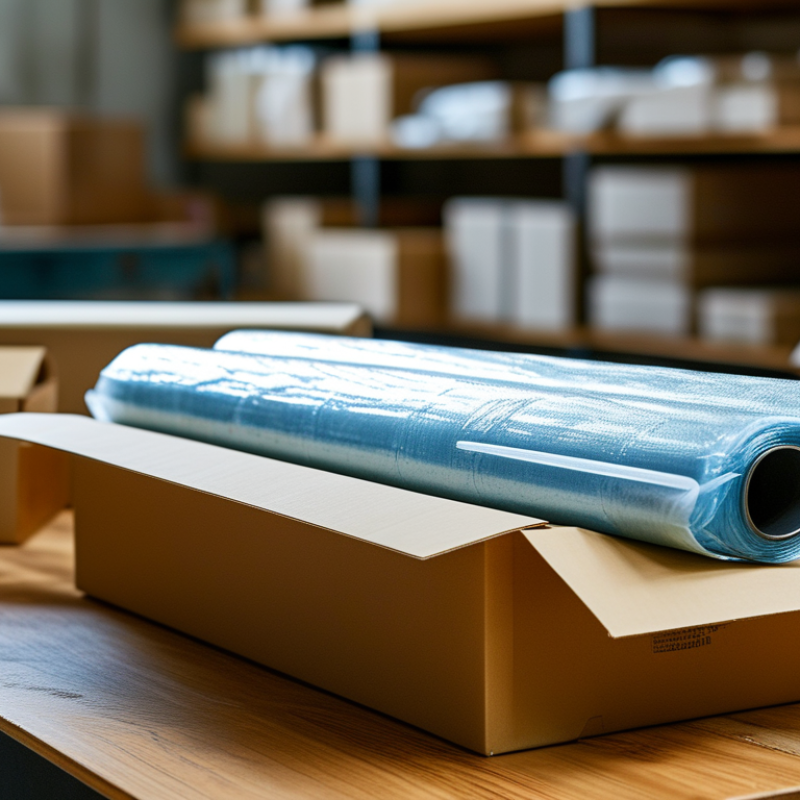
Heat shrink wrap is popular in packaging. It provides excellent protection and a professional finish for various products. There are several types of heat shrink wrap available for different packaging needs.
Polyolefin shrink wrap is versatile. It is clear, strong, and resistant to moisture. It is suitable for use in food packaging or retail items. PVC shrink wrap is another common option. It is typically used for bundling and offers good clarity but may not be suitable for food products. Nylon shrink wrap is known for its high resistance to punctures and tears, making it ideal for heavy-duty applications.
Tips: Always consider the size and shape of your items. Choose a shrink wrap that fits snugly around them. Pre-cut sheets can save time but may not provide a perfect fit. When using heat shrink wrap, apply consistent heat. Avoid overheating, as it can damage products.
When selecting shrink wrap, also think about environmental factors. Some materials are more eco-friendly than others. Take time to reflect on your packaging choices. Are they sustainable? Making informed decisions can enhance your brand’s image and contribute positively to the planet.
When considering heat shrink wrapping for packaging, having the right tools and equipment is essential. Begin with a heat shrink gun. It efficiently applies heat to shrink wrap around products. The gun should provide adjustable heat settings, allowing for better control.
Next, use high-quality heat shrink film. This film should be durable and flexible. It's available in various sizes, making it suitable for many items. Don't forget a sturdy cutting tool. A sharp blade helps in getting clean edges. This ensures the wrap is properly sized for your products.
In addition, consider using a work surface. A flat, clean area prevents damage during the wrapping process. However, setup can be a bit cumbersome. You might struggle with the arrangement of tools at first. Getting used to the heat gun might take some time. Practice is key to mastering the technique.
| Tool/Equipment | Description | Purpose | Recommended Usage |
|---|---|---|---|
| Heat Shrink Wrap | A plastic film that shrinks when heat is applied. | To provide a tight protective layer around products. | Ideal for protecting items from moisture and dust. |
| Heat Gun | A device that emits hot air to shrink the wrap. | To evenly apply heat to shrink wrap. | Best used for small to medium-sized items. |
| Shrink Wrap Machine | A specialized machine that automates the shrink wrapping process. | To increase efficiency in packaging operations. | Recommended for high-volume applications. |
| Cutter/Scissors | Tools for precisely cutting shrink wrap. | To handle and measure the correct amount of wrap. | Necessary for customizing the wrap size. |
| Packaging Tape | Adhesive tape used to secure the packaging. | To hold shrink wrap in place before shrinking. | Ideal for sealing edges of the wrap. |
When preparing items for heat shrink wrapping, the process begins with selecting the right materials. Choose high-quality heat shrink wrap that suits your item size. Gather essential tools like a heat gun and a cutting tool for clean edges. Carefully measure the item's dimensions. Remember, the wrap should cover the entire item with a little extra for sealing. This small detail can make a difference in the final presentation.
Next, ensure your items are clean and dry. Dust or moisture can affect the adhesion of the shrink wrap. It’s crucial to wipe surfaces with a lint-free cloth. Place the item centrally on the heat shrink wrap. Fold the edges snugly against the item, avoiding excessive tightness, which may lead to ripping. Take your time; rushing can lead to mistakes. Don’t forget to test the heat gun on a scrap piece before applying it to your item. The gun should be at a safe distance to prevent scorching.
Finally, be mindful of how you apply heat. Even, steady application ensures it shrinks uniformly. Focus on corners and edges for a neat finish. Watch for areas that don’t shrink properly; these may need another pass. Reflect on your process after completing a project. Did you encounter any challenges? Identifying these aspects will improve your technique in future wrapping tasks.
Using heat shrink wrap can significantly enhance packaging and protection. To achieve effective results, it's vital to understand the right techniques for application. Start by measuring the item accurately. Too much wrap can lead to wastage, while too little might not provide adequate protection. Remember, precision matters.
Once you have the right size, position the wrap over the item. Use a heat gun carefully to apply heat evenly. As the temperature rises, the wrap begins to shrink. Keep the heat source moving. Focusing too much on one spot can damage the wrap or create weak points. Aim for a smooth finish as you work, but don't worry if minor imperfections appear; they can sometimes add character.
After the wrapping is done, inspect your work. Each package should be securely sealed but not overly tight. If you notice bubbles or uneven areas, consider reapplying heat gently. Experimenting will reveal what techniques work best for you. It's natural to face challenges along the way. Learning from these experiences will improve your skills over time.
Heat shrink wrap can be an effective method for packaging and protection. However, maintaining and storing these wrapped packages requires attention to detail. Proper storage conditions are crucial. Keep packages in a cool, dry area. Avoid direct sunlight, as UV rays can degrade the wrap. High humidity may also compromise its performance.
When handling heat shrink wrapped items, use care to prevent tears. Check for any visible damage prior to storage. If you spot imperfections, consider re-wrapping. This ensures maximum protection against dust and moisture. Regularly inspect your stored items. This routine can help catch potential problems early.
Considering the long-term impact of heat shrink wrap is important. Improper storage conditions may lead to issues over time. Reducing exposure to temperature fluctuations can extend the life of the shrink wrap. Remember to balance practicality with vigilance. Noticing minor wear can save you from bigger headaches later.
We are here to help you with all your queries and concerns, just write to us using the below form and we will get back to you as soon as we can.